





Pump leaking repair Singapore – Singapore’s No 1 Best Pump service & supplier
Pump Leaking Repair Singapore – Reliable, Fast, and Professional Solutions
Pump systems are critical components across industrial, commercial, and residential environments. Whether used for water transfer, HVAC systems, firefighting systems, or industrial processes, pumps must operate efficiently without interruption. However, one of the most common and disruptive issues faced by businesses and property owners is pump leakage. When a pump begins to leak, it not only reduces efficiency but can also lead to severe mechanical failures, safety hazards, and costly downtime.
If you are facing such challenges, Pump leaking repair Singapore services are essential to restore your system to optimal performance. This guide will help you understand the causes, solutions, and importance of professional repair services.
Understanding Pump Leakage Problems
Pump leakage can occur in various forms, from minor drips to significant fluid loss. Even a small leak should never be ignored, as it can escalate quickly into a major issue.
Common areas where leaks occur include:
- Mechanical seals
- Gaskets and O-rings
- Pump casing
- Shaft seals
- Pipe connections
When these components fail, immediate Pump leaking repair Singapore becomes necessary to prevent further damage.
Common Causes of Pump Leakage
Understanding the root cause helps in selecting the right Pump leaking repair Singapore approach. Some of the most common causes include:
1. Worn Mechanical Seals
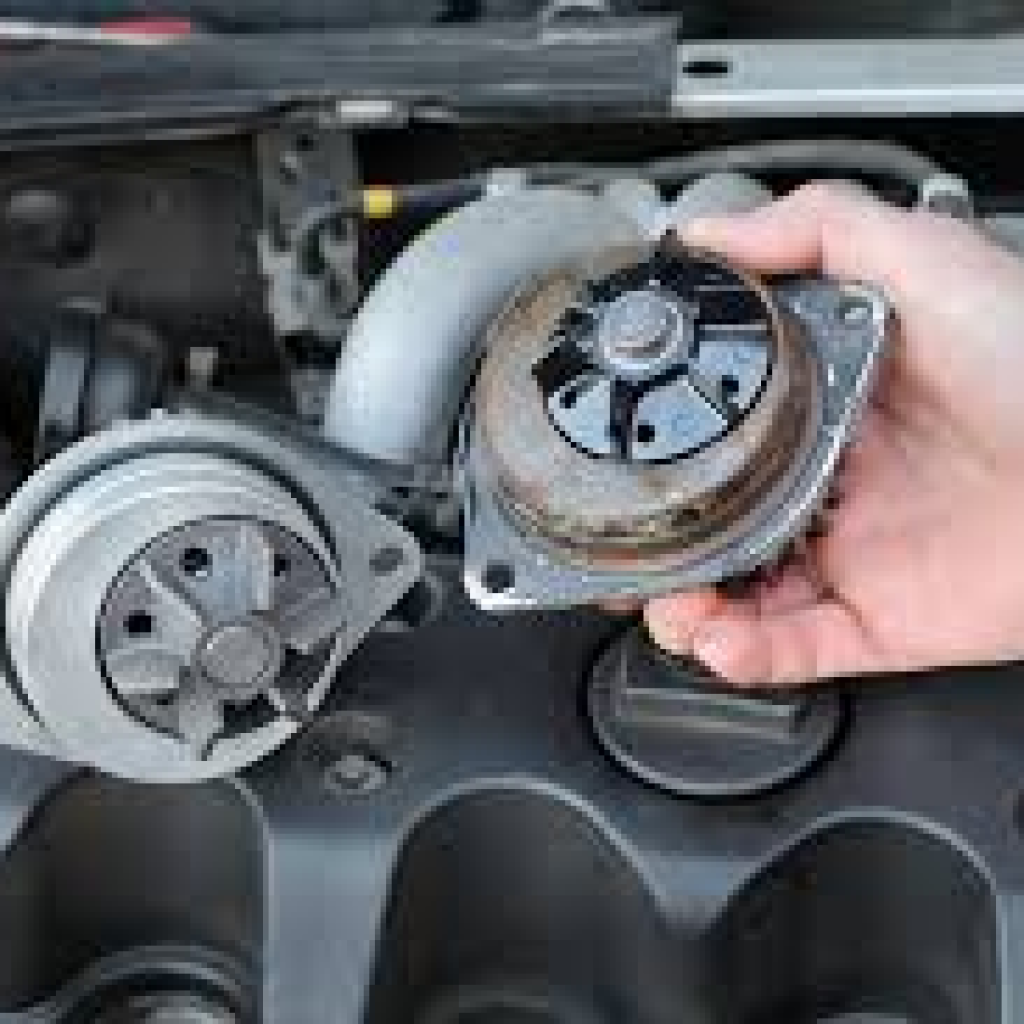
Mechanical seals are designed to prevent fluid from escaping. Over time, wear and tear can cause them to fail, leading to leaks.
2. Improper Installation
Incorrect alignment or poor installation can create stress on pump components, resulting in leakage. Professional Pump leaking repair Singapore services can correct these issues.
3. Corrosion
Exposure to chemicals or harsh environments can corrode pump components, leading to cracks and leaks.
4. Excessive Pressure
Operating a pump beyond its designed pressure limits can damage seals and internal parts.
5. Lack of Maintenance
Regular servicing is essential. Without it, small issues develop into major leakage problems requiring urgent Pump leaking repair Singapore.
Why Immediate Repair is Important
Ignoring a leaking pump can lead to:
- Reduced efficiency
- Increased energy consumption
- Equipment damage
- Safety risks
- Operational downtime
Timely Pump leaking repair Singapore ensures that these risks are minimized and your operations continue smoothly.
Professional Pump Leaking Repair Singapore Services
Professional repair services offer a structured and reliable approach to fixing pump leakage issues. These services typically include:
Inspection and Diagnosis
Technicians carefully inspect the pump system to identify the exact cause of leakage.
Seal Replacement
Damaged seals are replaced using high-quality materials to ensure durability.
Alignment Correction
Misalignment issues are corrected to prevent further wear.
Component Repair or Replacement
Worn or damaged components are repaired or replaced as part of the Pump leaking repair Singapore process.
Testing and Commissioning
After repair, the pump is tested to ensure it operates efficiently without leaks.
Types of Pumps That Require Leak Repair
Different types of pumps may require Pump leaking repair Singapore, including:
- Centrifugal pumps
- Booster pumps
- Submersible pumps
- Fire pumps
- Chilled water pumps
- Sewage pumps
Each type has unique repair requirements, making professional expertise essential.
Preventive Maintenance to Avoid Leakage
While Pump leaking repair Singapore is crucial, prevention is always better. Regular maintenance helps reduce the chances of leakage.
Maintenance Tips:
- Schedule routine inspections
- Replace worn seals early
- Monitor pressure levels
- Ensure proper alignment
- Use quality spare parts
By following these steps, you can reduce the need for frequent Pump leaking repair Singapore.
Signs You Need Pump Leaking Repair
Early detection can save time and money. Look out for these warning signs:
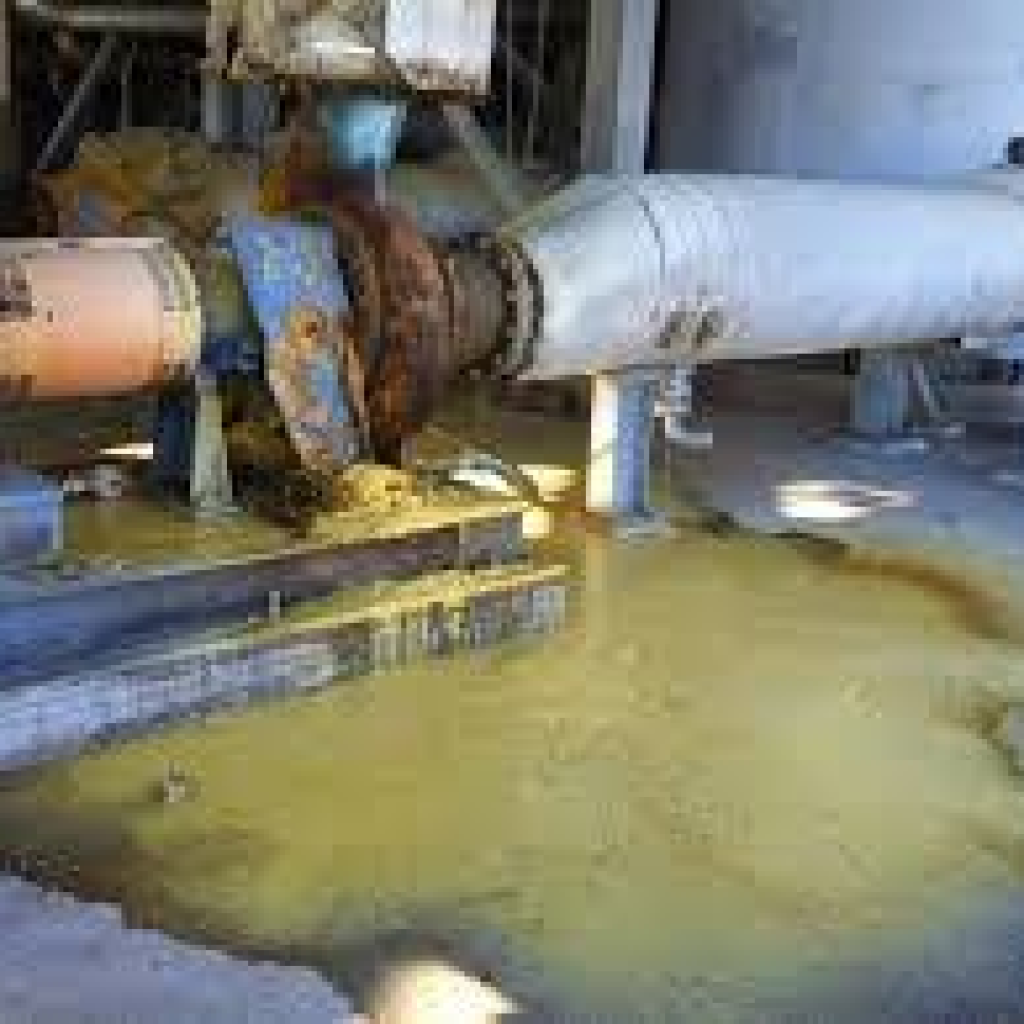
- Visible fluid leakage
- Unusual noise
- Reduced performance
- Increased energy usage
- Vibrations
If you notice any of these, immediate Pump leaking repair Singapore is recommended.
Benefits of Professional Repair Services
Choosing professional Pump leaking repair Singapore services offers several advantages:
1. Expertise
Experienced technicians understand complex pump systems and provide accurate solutions.
2. Cost Efficiency
Timely repairs prevent costly replacements.
3. Safety
Professional repairs ensure safe operation of equipment.
4. Long-Term Reliability
Proper repair extends the lifespan of your pump system.
Industrial Applications
In industrial settings, pump leakage can disrupt operations significantly. Industries that commonly require Pump leaking repair Singapore include:
- Manufacturing
- Construction
- Water treatment
- Oil and gas
- HVAC systems
Reliable repair services ensure minimal downtime and consistent performance.
Comprehensive Guide to Pump Maintenance, Leak Prevention, and System Reliability
Pumps play a vital role in modern infrastructure, supporting everything from industrial processing to building services. Their continuous operation is critical for maintaining efficiency, safety, and productivity. While leakage is a common issue, understanding the broader aspects of pump systems—design, maintenance, diagnostics, and lifecycle management—can significantly reduce failures and improve performance.
Importance of Pump System Reliability
Reliable pump operation ensures uninterrupted workflow across multiple sectors. When systems are properly maintained, they deliver consistent performance, reduce energy consumption, and extend equipment lifespan.
Key benefits of high reliability include:
- Stable operational output
- Reduced maintenance frequency
- Lower energy costs
- Improved safety standards
A proactive approach to system care helps avoid unexpected failures and ensures long-term efficiency.
Core Components of a Pump System
To understand how failures occur, it’s important to look at the main components of a pump system:
1. Impeller
The impeller is responsible for moving fluid through the system. Damage or wear can reduce flow efficiency.
2. Shaft
The shaft connects the motor to the impeller. Misalignment or bending can cause vibration and component wear.
3. Bearings
Bearings support the rotating shaft. When they fail, friction increases, leading to overheating.
4. Sealing Elements
Seals prevent fluid from escaping and contaminants from entering. Their condition is crucial for proper operation.
5. Pump Housing
The casing contains the fluid and directs flow. Cracks or corrosion can compromise structural integrity.
Common Operational Challenges
Even well-designed systems can face operational challenges over time. Some of the most common include:
- Excessive vibration
- Overheating
- Reduced flow rate
- Noise during operation
- Pressure fluctuations
Each of these symptoms indicates underlying issues that require attention.
Causes of System Wear and Damage
Wear and damage can occur due to multiple factors, including:
Environmental Conditions
Exposure to moisture, chemicals, or extreme temperatures can degrade materials over time.
Operational Stress
Running equipment beyond its rated capacity increases strain on components.
Poor Installation
Incorrect setup can lead to imbalance and uneven load distribution.
Inadequate Maintenance
Lack of regular inspection allows minor issues to develop into major problems.
Preventive Maintenance Strategies
Preventive maintenance is the most effective way to ensure long-term performance. A structured plan should include:
Routine Inspections
Regular checks help identify early signs of wear or misalignment.
Lubrication Management
Proper lubrication reduces friction and extends the life of moving parts.
Alignment Checks
Ensuring correct alignment minimizes vibration and mechanical stress.
Component Replacement
Replacing worn parts before failure prevents unexpected downtime.
Predictive Maintenance and Monitoring
Modern systems are increasingly using predictive maintenance techniques. These rely on data and analytics to anticipate failures before they occur.
Key Technologies:
- Vibration analysis
- Thermal monitoring
- Acoustic sensors
- Performance tracking systems
By analyzing trends, maintenance teams can take action before issues become critical.
Energy Efficiency Optimization Pump leaking repair Singapore
Energy efficiency is a major concern in pump operations. Inefficient systems consume more power and increase operational costs.
Ways to Improve Efficiency:Pump leaking repair Singapore
- Optimize system design
- Maintain proper flow rates
- Reduce friction losses
- Use high-efficiency components
Efficient systems not only save energy but also reduce environmental impact.
Material Selection and Durability Pump leaking repair Singapore
Choosing the right materials is essential for long-term durability. Different environments require different material properties.
Common Materials: Pump leaking repair Singapore
- Stainless steel for corrosion resistance
- Cast iron for durability
- Composite materials for lightweight applications
Proper material selection enhances reliability and reduces maintenance needs.
Role of Skilled Technicians Pump leaking repair Singapore
Technical expertise plays a crucial role in maintaining system performance. Skilled professionals can:
- Diagnose complex issues
- Perform accurate repairs
- Optimize system efficiency
- Recommend improvements
Their experience ensures that systems operate at peak performance.
Industrial Applications Pump leaking repair Singapore
Pump systems are widely used in industrial environments, including:
Manufacturing
Used for fluid transfer, cooling, and processing.
Water Treatment
Essential for filtration, circulation, and distribution.
Energy Sector
Supports cooling systems and fluid handling processes.
Construction
Used for dewatering and material handling.
Commercial and Infrastructure Applications Pump leaking repair Singapore
Beyond industrial use, pumps are critical in commercial and infrastructure settings:
- High-rise buildings
- Shopping complexes
- Hospitals
- Transportation systems
Reliable operation is essential to maintain daily activities in these environments.
Troubleshooting Techniques Pump leaking repair Singapore
Effective troubleshooting requires a systematic approach:
Step 1: Identify Symptoms
Observe performance issues such as noise, vibration, or reduced output.
Step 2: Analyze Data
Use monitoring tools to gather performance data.
Step 3: Inspect Components
Check for visible signs of wear or damage.
Step 4: Implement Solutions
Repair or replace affected parts and test the system.
Safety and Compliance Pump leaking repair Singapore
Safety is a critical aspect of pump operation. Proper maintenance helps prevent:
- Equipment failure
- Workplace accidents
- Environmental hazards
Compliance with safety standards ensures a secure working environment.
Environmental Considerations Pump leaking repair Singapore
Sustainable practices are becoming increasingly important. Efficient systems help reduce:
- Energy consumption
- Resource waste
- Environmental impact
Adopting eco-friendly practices supports long-term sustainability goals.
Lifecycle Management Pump leaking repair Singapore
Managing the entire lifecycle of equipment is essential for maximizing value.
Lifecycle Stages:Pump leaking repair Singapore
- Design and installation
- Operation and monitoring
- Maintenance and upgrades
- Decommissioning
Proper management ensures optimal performance at every stage.
Technological Advancements Pump leaking repair Singapore
Advancements in technology are transforming the way systems are managed.
Innovations Include:
- Smart sensors
- Remote monitoring
- Automated controls
- Data-driven decision-making
These technologies improve efficiency and reduce maintenance costs.
Advanced Pump System Insights, Performance Engineering, and Long-Term Reliability
Modern pump systems are no longer simple mechanical devices—they are integrated components within complex operational ecosystems. Their performance directly affects productivity, operational cost, and system stability. To achieve consistent results, organizations must focus on engineering excellence, detailed monitoring, and structured maintenance strategies.
Engineering Design Considerations
A well-designed system minimizes operational issues from the beginning. Engineering design plays a crucial role in ensuring durability and efficiency.
Flow Rate Optimization
Correct flow rate selection ensures the system operates within its ideal performance range. Oversizing or undersizing can lead to inefficiency and stress on components.
Pressure Management
Maintaining appropriate pressure levels prevents strain on internal parts and reduces the risk of failure.
System Layout
Proper piping design, including smooth bends and minimal restrictions, improves fluid movement and reduces resistance.
Hydraulics and Fluid Behavior
Understanding how fluids behave within a system is essential for maintaining performance.
Laminar vs Turbulent Flow
Smooth (laminar) flow reduces friction, while turbulent flow increases energy loss and wear.
Cavitation Effects
Cavitation occurs when vapor bubbles form and collapse within the fluid, causing damage to internal components. Preventing this requires proper suction conditions and system balance.
Viscosity Considerations
Fluids with higher viscosity require more power and careful system design to maintain efficiency.
Digital Monitoring and Smart Systems
The integration of smart technologies has transformed how pump systems are managed.
Real-Time Monitoring
Sensors continuously track parameters such as temperature, pressure, and vibration.
Remote Access
Operators can monitor system performance from anywhere, enabling faster decision-making.
Data Analytics
Collected data helps identify trends and predict potential issues before they escalate.
Vibration and Noise Analysis
Unusual vibration and noise are often early indicators of mechanical issues.
Causes of Vibration:
- Imbalance in rotating parts
- Misalignment
- Bearing wear
Noise Indicators:
- Grinding sounds suggest internal damage
- High-pitched noise may indicate pressure issues
Regular analysis helps maintain smooth operation and prevents major failures.
Thermal Management
Temperature control is essential for maintaining system integrity.
Overheating Causes:
- Insufficient lubrication
- Excessive load
- Blocked flow paths
Cooling Methods:
- Proper ventilation
- Fluid circulation
- Heat-resistant materials
Maintaining optimal temperature prevents component degradation.
Seal Technology Evolution
Sealing systems have evolved significantly to improve reliability and reduce maintenance needs.
Modern Seal Features:
- Enhanced durability
- Resistance to extreme conditions
- Improved leak prevention
Advanced sealing solutions contribute to longer service intervals and reduced downtime.
Corrosion Control Strategies
Corrosion is a major challenge, especially in harsh environments.
Prevention Methods:
- Protective coatings
- Corrosion-resistant materials
- Controlled operating conditions
Effective corrosion management extends equipment life and ensures consistent performance.
System Integration and Automation
Automation enhances efficiency and reduces manual intervention.
Benefits of Automation:
- Consistent operation
- Reduced human error
- Improved response time
Integrated systems can automatically adjust parameters based on real-time data.
Load Management and Efficiency
Balancing system load is essential for optimal performance.
Load Distribution:
Even distribution prevents overloading of individual components.
Efficiency Monitoring:
Tracking performance metrics helps identify areas for improvement.
Maintenance Planning and Scheduling
A structured maintenance schedule ensures that systems remain in top condition.
Types of Maintenance:
- Preventive
- Predictive
- Corrective
Scheduling Benefits:
- Reduced downtime
- Improved reliability
- Better resource management
Spare Parts Management
Having the right spare parts available is critical for quick repairs.
Inventory Strategies:
- Stock critical components
- Monitor usage patterns
- Maintain quality standards
Efficient inventory management reduces delays and ensures smooth operations.
Risk Assessment and Management
Identifying and managing risks helps prevent unexpected failures.
Risk Factors:
- Environmental conditions
- Operational stress
- Equipment age
Mitigation Strategies:
- Regular inspections
- System upgrades
- Staff training
Training and Skill Development
Continuous training ensures that personnel are equipped to handle complex systems.
Key Training Areas:
- System operation
- Troubleshooting techniques
- Safety procedures
Skilled teams contribute to better performance and reduced errors.
Sustainability and Energy Conservation
Sustainability is becoming a priority across industries.
Energy-Saving Practices:
- Using efficient equipment
- Reducing unnecessary operation
- Monitoring energy usage
Environmental Benefits:
- Lower emissions
- Reduced resource consumption
- Improved compliance
Customization and Application-Specific Design
Different industries have unique Pump leaking repair Singapore requirements, making customization essential.
Custom Design Factors:
- Fluid type
- Operating environment
- Performance requirements
Tailored solutions ensure optimal results in specific applications.
Performance Optimization Strategies
To achieve optimal performance, Pump leaking repair Singapore organizations should focus on:
- Regular system audits
- Upgrading outdated components
- Implementing automation
- Training personnel
Continuous improvement ensures long-term success.
Cost Management Pump leaking repair Singapore
Effective cost management involves balancing maintenance expenses with operational efficiency.
Cost Factors:
- Equipment downtime
- Energy consumption
- Repair frequency
- Replacement costs
Strategic planning helps minimize overall expenses.
Commercial and Residential Applications Pump leaking repair Singapore
Pump leakage is not limited to industrial environments. Commercial buildings and residential complexes also rely on efficient pump systems.
Common applications include:
- Water supply systems
- Cooling systems
- Fire protection systems
In these settings, Pump leaking repair Singapore ensures uninterrupted daily operations.
Advanced Repair Techniques Pump leaking repair Singapore
Modern Pump leaking repair Singapore services use advanced techniques to ensure high-quality results:
- Precision alignment tools
- High-performance sealing materials
- Leak detection technology
- Condition monitoring systems
These methods improve repair accuracy and efficiency.
Environmental Impact of Pump Leakage Pump leaking repair Singapore
Leaking pumps can have environmental consequences, especially when handling chemicals or wastewater. Proper Pump leaking repair Singapore helps:
- Prevent contamination
- Reduce waste
- Improve sustainability
Choosing the Right Repair Service
Selecting the right service provider is critical for effective Pump leaking repair Singapore.
Key Factors to Consider:
- Experience and expertise
- Quality of materials used
- Response time
- Technical capabilities
A reliable service provider ensures long-lasting repair solutions.
Cost Considerations
The cost of Pump leaking repair Singapore depends on:
- Type of pump
- Severity of leakage
- Parts required
- Labor involved
Investing in timely repair is always more economical than complete replacement.
Future Trends in Pump Maintenance
The future of Pump leaking repair Singapore is evolving with technology. Trends include:
- Predictive maintenance
- Smart sensors
- Remote monitoring
- Data-driven diagnostics
These innovations help detect and fix leaks before they become serious issues.
Conclusion
Pump leakage is a serious issue that should never be ignored. Whether in industrial, commercial, or residential applications, timely and professional Pump leaking repair Singapore is essential to maintain efficiency, safety, and reliability.
By understanding the causes, recognizing the signs, and investing in expert repair services, you can ensure that your pump systems operate smoothly for years to come. Regular maintenance combined with professional Pump leaking repair Singapore will not only extend equipment life but also reduce operational costs and downtime.
Contact Information:
- Website: https://flomek.com
- Email: sales@flomek.com
- Phone: +65 1234 5678
- Address: 123 Industrial Avenue, Singapore 567890
Get in touch with us today to discuss your project or request a quote. Let Flomek help you find the perfect pump solution to keep your operations flowing smoothly. Pump manufacture in yishun
Also Read – Best pump services Pump manufacture in yishun
Copyright © Flomek 2024, All Right Reserved.Designed and Developed by ❤️ Krigo Softwares


Leave A Reply