





Process Pump Supplier Singapore – Singapore’s No 1 Best Pump service & supplier
Process Pump Supplier Singapore – Reliable Industrial Pump Solutions for Process Applications
Introduction
A reliable pumping system is one of the most important components in modern industrial operations. Pumps are responsible for moving liquids from one point to another, maintaining required flow rates, supporting production processes, transferring chemicals, circulating fluids, handling wastewater, and performing numerous other essential duties. In industries where continuous operation and process stability are important, selecting the right pump and the right supplier can directly influence productivity, operating costs, safety, and equipment life.
Choosing a dependable Process Pump Supplier Singapore can help industrial companies obtain suitable pumping equipment for demanding applications. Process pumps are commonly used in chemical processing, petrochemical facilities, oil and gas operations, water and wastewater treatment, pharmaceutical manufacturing, food processing, power generation, marine applications, and other industrial environments. Process pumps are generally designed to handle demanding fluid-transfer requirements, including applications involving aggressive fluids, elevated temperatures, and higher system pressures.
A professional Process Pump Supplier Singapore should do more than simply supply a pump. The supplier should understand the application, evaluate the process conditions, recommend suitable pump technology and materials, assist with sizing and selection, and provide installation, commissioning, maintenance, troubleshooting, and after-sales support where required.
In Singapore’s highly developed industrial environment, reliable pumping equipment is particularly important. Industrial facilities may require pumps for chemical transfer, cooling systems, circulation, water treatment, wastewater management, process fluid movement, and specialized production applications. A suitable Process Pump Supplier Singapore can support these requirements by providing engineered pumping solutions rather than treating every application as a standard pump-selection exercise.
This comprehensive guide explains process pumps, their applications, major pump types, selection factors, materials, benefits, maintenance requirements, and why choosing an experienced Process Pump Supplier Singapore can be important for industrial projects.
What Is a Process Pump?
A process pump is an industrial pump designed to move process fluids within manufacturing, chemical, petrochemical, pharmaceutical, water-treatment, and other industrial systems. Unlike a basic water-transfer pump, a process pump may need to operate under demanding conditions involving corrosive chemicals, high temperatures, pressure variations, abrasive liquids, hazardous fluids, or continuous-duty requirements.
A process pump can be designed around the specific requirements of the application. Important parameters include flow rate, discharge pressure, total dynamic head, liquid temperature, viscosity, specific gravity, chemical compatibility, solids content, suction conditions, and operating hours.
A centrifugal process pump is one of the most widely used configurations. According to KSB, process pumps are centrifugal pumps commonly used in chemical processes, oil refineries, and petrochemical industries, and their designs can be suitable for aggressive fluids and higher pressures and temperatures.
When working with a Process Pump Supplier Singapore, customers should therefore provide complete process information instead of selecting a pump based only on pipe size or motor power.
The supplier can use the available information to identify an appropriate pump configuration and determine whether a centrifugal, magnetic-drive, diaphragm, positive-displacement, or another pump technology is better suited to the duty.
Why Process Pumps Are Important in Industrial Operations
Industrial processes depend on controlled and reliable fluid movement. If a pump fails, the consequences can extend beyond the pump itself. Production may stop, tanks may overflow or empty, cooling may be interrupted, chemical dosing may become inaccurate, or wastewater treatment operations may be affected.
A properly selected process pump can contribute to:
- Reliable fluid transfer
- Stable production processes
- Consistent flow rates
- Reduced unplanned downtime
- Better energy efficiency
- Improved equipment reliability
- Safer handling of hazardous fluids
- Lower maintenance requirements
- Better process control
- Longer service life
For this reason, selecting an experienced Process Pump Supplier Singapore is an important procurement decision for industrial organizations.
The right supplier should understand that the pump is part of a complete system. The pump interacts with motors, pipelines, valves, tanks, control systems, instrumentation, mechanical seals, electrical systems, and other equipment. A pump that appears suitable when considered independently may perform poorly if the overall system conditions are not evaluated.
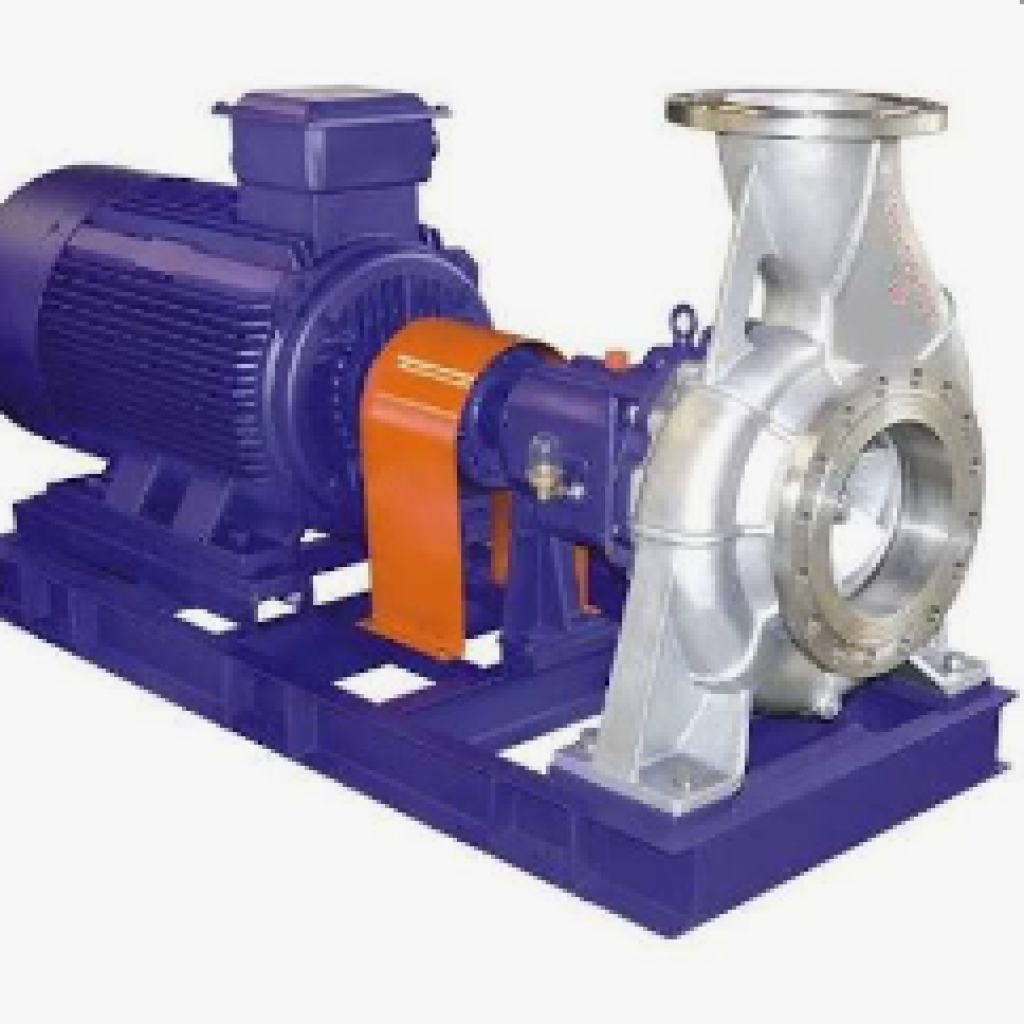
Process Pump Supplier Singapore for Industrial Applications
Singapore has a strong industrial base involving manufacturing, chemicals, petrochemicals, marine and offshore activities, water treatment, pharmaceuticals, electronics, food processing, and other sectors. These industries require reliable equipment for fluid handling and process operations.
A Process Pump Supplier Singapore can support industrial customers by providing pumps for applications such as:
- Chemical transfer
- Process circulation
- Cooling water circulation
- Industrial water transfer
- Wastewater treatment
- Effluent transfer
- Sludge handling
- Chemical dosing
- Solvent transfer
- Acid transfer
- Alkali transfer
- Petrochemical processing
- Oil transfer
- Marine applications
- Pharmaceutical processing
- Food and beverage production
- Semiconductor manufacturing
- Industrial filtration
- Reverse osmosis systems
- Desalination
- Boiler and utility systems
- General manufacturing
The exact pump technology depends on the characteristics of the fluid and the operating conditions.
For example, a pump transferring clean cooling water may have very different construction requirements from a pump transferring concentrated acid. Similarly, a pump handling abrasive slurry may require a different impeller and wear-resistant construction from a pump handling clean process water.
Therefore, an experienced Process Pump Supplier Singapore should assess the complete duty before making a recommendation.
Major Types of Process Pumps
There is no single pump design that can efficiently handle every industrial application. Process pumping systems are available in several configurations, each offering specific advantages.
1. Centrifugal Process Pumps
Centrifugal pumps use a rotating impeller to transfer energy to the liquid. They are widely used for continuous fluid-transfer applications.
Centrifugal process pumps may be available in horizontal, vertical, end-suction, multistage, close-coupled, and other configurations.
They can be suitable for:
- Water circulation
- Chemical transfer
- Process circulation
- Cooling systems
- Industrial utilities
- Petrochemical applications
- Water treatment
- General fluid transfer
Many process pumps use back-pull-out designs because they can simplify maintenance and reduce the need to disconnect the pump casing from the piping during certain maintenance procedures.
A professional Process Pump Supplier Singapore can help determine the appropriate centrifugal pump configuration based on flow, head, liquid properties, suction conditions, and installation requirements.
2. Chemical Process Pumps
Chemical process pumps are designed for transferring liquids that may be corrosive, toxic, reactive, or otherwise difficult to handle.
Material selection is particularly important in chemical applications. Depending on the liquid, pumps may be manufactured using stainless steel, high-alloy materials, thermoplastics, FRP, or other corrosion-resistant materials.
Chemical process pump suppliers in Singapore offer different technologies and material options for chemical transfer applications. For example, local pump companies list thermoplastic pumps using materials such as PP and PVDF for chemical transfer, while magnetic-drive pumps are used where leakage prevention is particularly important.
A Process Pump Supplier Singapore should evaluate:
- Chemical concentration
- Chemical temperature
- Specific gravity
- Viscosity
- Corrosiveness
- Vapor pressure
- Required flow
- Required head
- Solids content
- Seal requirements
- Material compatibility
Selecting the wrong material can lead to premature corrosion, leakage, component failure, and unexpected downtime.
3. Magnetic Drive Process Pumps
Magnetic-drive pumps are designed without a conventional mechanical shaft seal between the motor and pumped liquid. Instead, magnetic coupling transfers rotational movement to the internal pump assembly.
This configuration can be valuable for applications where leakage of hazardous or aggressive fluids must be minimized.
Magnetic-drive pumps are commonly considered for applications involving:
- Corrosive chemicals
- Toxic liquids
- Hazardous chemicals
- Solvents
- Acids
- Alkalis
- Specialty process fluids
A magnetic-drive pump can help reduce the risk associated with conventional mechanical seal leakage.
When selecting a Process Pump Supplier Singapore for hazardous chemical applications, customers should discuss containment requirements and fluid characteristics in detail before choosing a pump.
4. Thermoplastic Process Pumps
Thermoplastic pumps can provide corrosion resistance for certain chemical applications. Common construction materials include polypropylene and PVDF, depending on chemical compatibility and operating temperature.
These pumps can be useful for:
- Chemical transfer
- Acid handling
- Water treatment
- Surface treatment
- Industrial wastewater
- Chemical circulation
The selection of PP, PVDF, or another material should not be based solely on the name of the chemical. Concentration, temperature, operating conditions, and exposure duration can affect material suitability.
A qualified Process Pump Supplier Singapore can help determine the appropriate construction material based on the actual process conditions.
5. FRP Process Pumps
FRP, or fibre-reinforced plastic, pumps can provide corrosion resistance for certain demanding chemical and industrial applications.
FRP construction may be considered when conventional metallic materials are not suitable or when a corrosion-resistant and cost-effective solution is required.
Potential applications include:
- Chemical processing
- Acid handling
- Scrubber systems
- Wastewater treatment
- Industrial effluent
- Corrosive liquid transfer
Local industrial pump suppliers identify FRP process pumps as an alternative for applications where chemical and mechanical resistance are important.
The correct FRP construction should be selected based on the specific liquid and operating environment.
6. End-Suction Process Pumps
End-suction centrifugal pumps are widely used in industrial fluid-transfer applications.
Their relatively straightforward configuration makes them popular for:
- Water transfer
- Cooling water
- Process circulation
- Industrial utilities
- Chemical services
- General plant applications
Ebara’s Singapore operation, for example, lists process pumps and single-suction process pumps for chemical and light-slurry applications.
A Process Pump Supplier Singapore can evaluate whether an end-suction configuration is appropriate based on the required duty point and installation conditions.
7. Positive Displacement Process Pumps
Positive displacement pumps operate differently from centrifugal pumps. They move a defined volume of fluid during each operating cycle or rotation.
They can be useful where applications require:
- Accurate dosing
- Constant flow
- High-pressure transfer
- Viscous-fluid handling
- Metering
- Low-flow applications
Examples include:
- Gear pumps
- Screw pumps
- Lobe pumps
- Diaphragm pumps
- Piston pumps
- Plunger pumps
A Process Pump Supplier Singapore should determine whether the application requires centrifugal or positive-displacement technology rather than automatically recommending one pump type for every process.
8. Diaphragm Pumps
Diaphragm pumps use flexible diaphragms to move fluid and can be suitable for applications where chemical resistance, solids handling, or controlled transfer is required.
Air-operated double-diaphragm pumps are often considered for industrial applications involving:
- Chemicals
- Wastewater
- Sludge
- Solvents
- Abrasive liquids
- Fluids containing suspended solids
They can also be useful where electrical power at the pump location is undesirable or where variable flow control is required.
A suitable Process Pump Supplier Singapore can evaluate the process and recommend whether a diaphragm pump provides advantages over centrifugal or other technologies.
Understanding Pump Duty Point
One of the most important concepts in pump selection is the duty point.
The duty point generally describes the required combination of:
- Flow rate
- Head or pressure
For example, an industrial system may require a pump to deliver a specified flow at a specified discharge pressure.
Selecting a pump based only on maximum flow can lead to poor performance. A pump should be selected so that its operating point is appropriate for the actual system.
A professional Process Pump Supplier Singapore should therefore request information such as:
Required flow: m³/h, L/min, or another suitable unit.
Required head: metres of liquid column or pressure.
Liquid: water, chemical, oil, slurry, solvent, etc.
Temperature: minimum, normal, and maximum.
Specific gravity: particularly important for motor and hydraulic calculations.
Viscosity: important for non-water-like fluids.
Suction condition: affects NPSH and cavitation risk.
Pipe arrangement: influences friction losses and system resistance.
Operating hours: helps determine durability and lifecycle requirements.
Importance of Flow Rate
Flow rate indicates how much liquid must be transferred within a specified period.
It may be expressed in:
- m³/h
- L/min
- L/s
- GPM
Incorrect flow estimation can affect the entire process.
If the pump delivers too little flow, the process may not operate correctly. If it delivers excessive flow, it can increase energy consumption, cause control problems, increase pipe velocity, or create unnecessary wear.
Therefore, a Process Pump Supplier Singapore should consider both the required operating flow and possible variations in process demand.
Where the system experiences variable demand, variable-speed operation may be considered, depending on the application.
Importance of Pump Head
Pump head represents the energy per unit weight that the pump adds to the liquid. In practical pump selection, it is associated with the pressure and elevation requirements of the system.
Total head may include:
- Static elevation
- Pipeline friction
- Valve losses
- Fitting losses
- Equipment pressure losses
- Required terminal pressure
A pump that is selected only according to flow rate may fail to provide the required pressure.
A professional Process Pump Supplier Singapore can calculate or verify the total dynamic head before selecting the pump.
NPSH and Cavitation
NPSH, or Net Positive Suction Head, is another critical consideration for centrifugal pump applications.
If the suction conditions are inadequate, the liquid can experience localized vaporization near the impeller. This phenomenon is associated with cavitation.
Cavitation may result in:
- Noise
- Vibration
- Reduced performance
- Impeller damage
- Bearing stress
- Seal problems
- Shorter pump life
A qualified Process Pump Supplier Singapore should evaluate available NPSH against the pump’s required NPSH and consider suction piping, liquid temperature, tank level, vapor pressure, and other relevant conditions.
Correct suction-piping design is equally important. Even a high-quality pump can experience problems if the suction system is poorly designed.
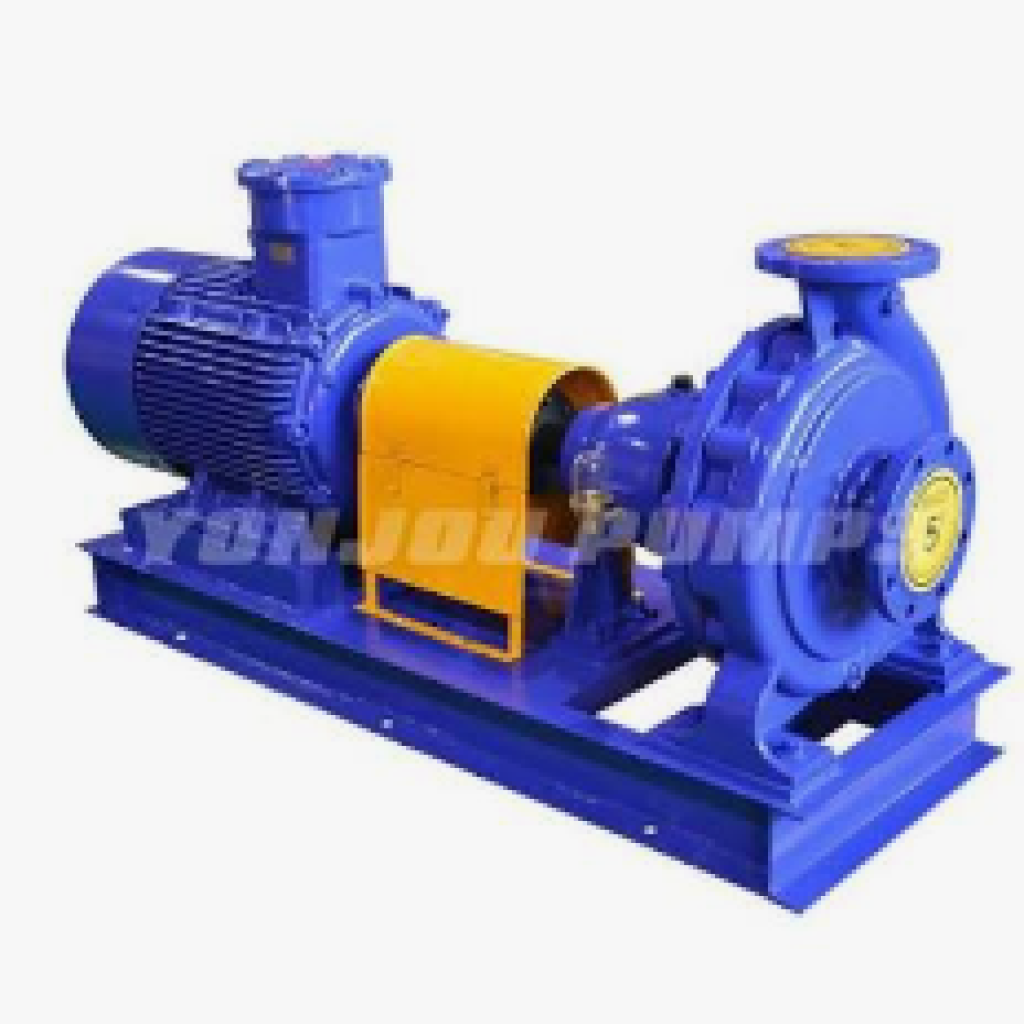
Mechanical Seal Selection
Mechanical seals are important components in many process pumps because they help prevent liquid from escaping along the rotating shaft.
Seal selection depends on factors such as:
- Fluid type
- Temperature
- Pressure
- Chemical compatibility
- Solids content
- Shaft speed
- Operating conditions
For aggressive chemicals, seal material compatibility is especially important.
Some applications may require specialized seal arrangements, while sealless magnetic-drive pumps may be considered where leakage prevention is a major requirement.
When engaging a Process Pump Supplier Singapore, customers should provide complete information about the pumped fluid so that an appropriate sealing arrangement can be evaluated.
Pump Materials and Corrosion Resistance
Material selection is one of the most important parts of process pump engineering.
Common materials can include:
- Cast iron
- Ductile iron
- Carbon steel
- Stainless steel
- Duplex stainless steel
- Alloy materials
- Polypropylene
- PVDF
- FRP
- Other engineered plastics
The correct choice depends on the application.
For example, stainless steel may be suitable for some process fluids, while a highly corrosive chemical may require a non-metallic material or a specialized alloy.
A Process Pump Supplier Singapore should therefore avoid making material recommendations based solely on general industry assumptions.
The supplier should review the actual chemical composition, concentration, temperature, pressure, and operating conditions.
Process Pumps for Chemical Industries
Chemical processing is one of the major areas where process pumps are required.
Chemical plants can involve multiple fluid-handling operations, including:
- Raw material transfer
- Chemical dosing
- Reactor circulation
- Product transfer
- Waste chemical transfer
- Scrubber circulation
- Cooling systems
- Filtration
- Neutralization
- Storage-tank transfer
Each application may have different requirements.
A chemical transfer pump may need corrosion-resistant construction. A reactor circulation pump may require high temperature capability. A dosing pump may require accurate low-flow performance.
This is why an experienced Process Pump Supplier Singapore should focus on application engineering rather than simply offering the nearest standard pump model.
Process Pumps for Water and Wastewater Treatment
Water and wastewater treatment plants use pumps throughout their processes.
Typical applications include:
- Raw water transfer
- Chemical dosing
- Filter feed
- Backwash systems
- Sludge transfer
- Effluent pumping
- Treated-water transfer
- Membrane systems
- Reverse osmosis
- Chemical neutralization
- Drainage
Different fluids require different pump designs.
Clean water may be handled by standard centrifugal pumps, while wastewater containing solids may require non-clogging or solids-handling designs.
Sludge can require pumps designed for higher viscosity and solids content.
A Process Pump Supplier Singapore can help treatment-plant operators select equipment based on the characteristics of each process stream.
Process Pumps for Pharmaceutical Industries
Pharmaceutical production requires careful control of process conditions and equipment selection.
Depending on the application, pumps may be used for:
- Purified water
- Process water
- Cleaning systems
- Liquid ingredients
- Product transfer
- Chemical preparation
- Filtration
- Utility circulation
Material compatibility, cleanliness, reliability, and process requirements can be particularly important.
For pharmaceutical projects, a Process Pump Supplier Singapore should understand that the pump must be considered as part of the overall hygienic or process system.
Pump construction, surface finish, seals, connections, cleaning requirements, and validation requirements may all need to be reviewed according to the specific application.
Process Pumps for Food and Beverage Industries
Food and beverage manufacturing involves extensive fluid movement.
Applications may include:
- Water transfer
- Ingredient transfer
- Liquid product circulation
- Cleaning systems
- CIP systems
- Syrup transfer
- Dairy processing
- Beverage production
Depending on the process, sanitary pump designs may be required.
The pump must be compatible with the fluid, temperature, cleaning chemicals, and operating conditions.
A Process Pump Supplier Singapore serving food and beverage customers should understand the distinction between general industrial pumping and hygienic process pumping.
Process Pumps for Petrochemical Applications
Petrochemical facilities operate with demanding process conditions and can handle hydrocarbons, chemicals, solvents, and other challenging fluids.
Process pumps may be used for:
- Hydrocarbon transfer
- Refinery circulation
- Chemical transfer
- Cooling systems
- Product movement
- Feed systems
- Tank transfer
- Utility systems
Process pumps in oil and petrochemical applications may need to comply with specific industry standards and project specifications. KSB notes that process pumps used in oil-industry applications may generally need to meet API requirements.
A Process Pump Supplier Singapore working on petrochemical projects should therefore review the project specifications and applicable standards before recommending equipment.
Process Pump Supplier Singapore for Marine and Offshore Applications
Singapore is an important marine and offshore hub, creating demand for specialized pumping systems.
Process and industrial pumps may be used on:
- Offshore platforms
- Marine vessels
- Shipyards
- Tank terminals
- Bunkering systems
- Cooling systems
- Ballast-related systems
- Firewater systems
- Wastewater systems
- General utility systems
Marine environments can expose equipment to saltwater, humidity, vibration, limited installation space, and demanding operating conditions.
A Process Pump Supplier Singapore can help customers select equipment suitable for the actual marine or offshore environment.
Material selection and corrosion protection can be particularly important when equipment is exposed to seawater or marine atmospheres.
How to Choose a Process Pump Supplier Singapore
Selecting the right supplier is as important as selecting the right pump.
Customers should consider several factors.
1. Technical Expertise
A good supplier should understand pump hydraulics, materials, seals, motors, piping systems, and process conditions.
2. Product Range
A supplier with access to multiple pump technologies can provide better application flexibility.
3. Application Engineering
The supplier should be capable of reviewing pump duty, fluid characteristics, operating conditions, and installation requirements.
4. Installation Support
For major industrial projects, installation assistance can reduce commissioning problems.
5. Commissioning
The supplier should be able to support startup, rotation checks, alignment, operating verification, and other commissioning requirements as applicable.
6. Maintenance
Long-term support is important because industrial pumps require inspection, maintenance, and occasional overhaul.
7. Spare Parts
Availability of appropriate spare parts can reduce downtime.
8. Troubleshooting
A supplier should be able to investigate issues such as:
- Low flow
- Low pressure
- Excessive vibration
- Seal leakage
- Bearing temperature
- Cavitation
- Motor overload
- Frequent pump failures
9. Local Support
Working with a Singapore-based Process Pump Supplier Singapore can provide advantages when local site support, service, spare parts, or technical communication is required.
Benefits of Working with an Experienced Process Pump Supplier Singapore
A professional supplier can provide value beyond the initial equipment purchase.
Application-Based Selection
Instead of choosing a pump solely based on price, the supplier can evaluate the complete application.
Better Reliability
Proper selection can reduce the possibility of premature component failure.
Improved Efficiency
A correctly selected pump can operate closer to its intended performance range.
Reduced Downtime
Reliable equipment and appropriate maintenance support can reduce unplanned interruptions.
Better Safety
Correct pump and seal selection can help manage hazardous and corrosive fluids.
Lifecycle Support
An experienced supplier can support installation, commissioning, maintenance, repair, and replacement planning.
Why Flomek Can Be Considered for Process Pump Applications in Singapore
Flomek Singapore Private Limited provides engineering support for industrial pumping and process applications in Singapore. Its services include plant engineering support, maintenance, design, fabrication, installation, and commissioning, and its portfolio includes process-related equipment and pumping systems.
For businesses looking for a Process Pump Supplier Singapore, an engineering-focused supplier can be useful when the project requires more than a simple equipment sale.
Process pump applications often involve multiple components and engineering considerations. These can include:
- Pump selection
- Hydraulic calculations
- Motor selection
- Baseplate requirements
- Piping connections
- Valves
- Instrumentation
- Control systems
- Mechanical seals
- Installation
- Testing
- Commissioning
- Maintenance
A supplier capable of supporting multiple stages of the project can simplify coordination for industrial customers.
Process Pump Installation
Correct installation is essential for achieving reliable pump performance.
Important installation considerations include:
Foundation
The pump and motor should be installed on a suitable foundation capable of supporting the equipment and minimizing vibration.
Alignment
Pump and motor alignment should be checked according to the equipment manufacturer’s requirements.
Piping
Pipework should be properly supported so that excessive loads are not transferred to the pump nozzles.
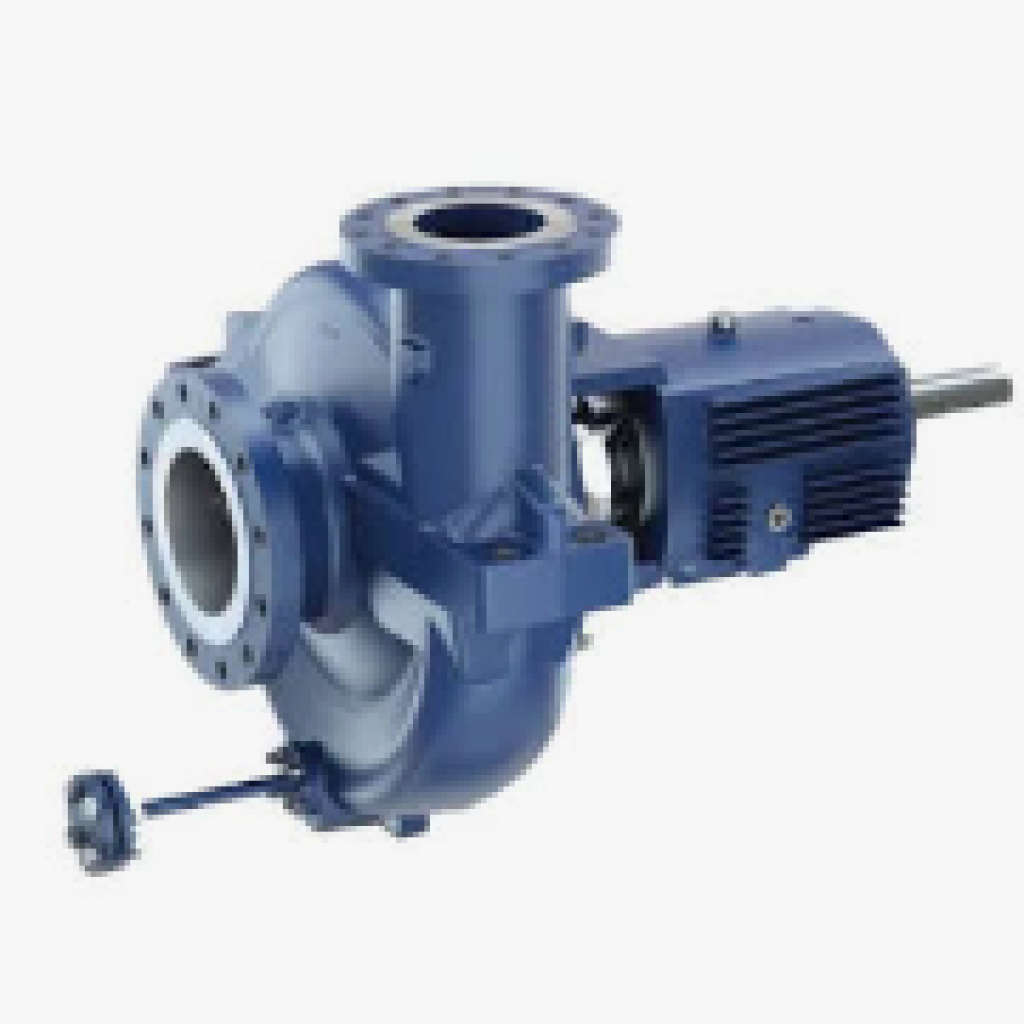
Suction Line
The suction system should be designed to minimize excessive pressure losses and unfavorable flow conditions.
Valves
Appropriate isolation and control valves should be installed according to the process design.
Electrical Connection
Motor wiring and protection should comply with the project and applicable electrical requirements.
Instrumentation
Pressure gauges, flow instruments, temperature sensors, vibration monitoring, and other instruments may be installed depending on the application.
An experienced Process Pump Supplier Singapore can support customers during installation and commissioning to help ensure that the pump is properly integrated into the system.
Process Pump Commissioning
Commissioning confirms that the pump and associated system are ready for operation.
Typical checks can include:
- Pump rotation
- Lubrication
- Coupling condition
- Alignment
- Seal condition
- Valve positions
- Suction availability
- Electrical protection
- Motor current
- Pressure
- Flow
- Vibration
- Temperature
The exact commissioning procedure depends on the pump type and project requirements.
A professional Process Pump Supplier Singapore can provide commissioning support and help identify potential issues before the system enters continuous operation.
Importance of Preventive Maintenance
Even a high-quality process pump requires proper maintenance.
Preventive maintenance may include:
- Checking mechanical seals
- Inspecting bearings
- Checking lubrication
- Monitoring vibration
- Inspecting couplings
- Checking motor current
- Checking discharge pressure
- Monitoring flow
- Inspecting impellers
- Checking wear components
- Inspecting piping
- Checking valves
Maintenance intervals depend on the pump type, operating conditions, fluid, duty cycle, and manufacturer’s recommendations.
A Process Pump Supplier Singapore with service capabilities can help establish a maintenance program based on actual operating conditions.
Common Process Pump Problems
Industrial pump problems can occur for many reasons.
Low Flow
Possible causes include:
- Incorrect pump selection
- Blocked suction line
- Blocked discharge line
- Incorrect impeller
- Excessive system resistance
- Air entering the suction system
- Incorrect rotation
Low Pressure
Possible causes include:
- Wrong pump speed
- Worn impeller
- Incorrect pump selection
- Air entrainment
- Incorrect system configuration
Excessive Vibration
Possible causes include:
- Misalignment
- Cavitation
- Bearing problems
- Imbalance
- Pipe strain
- Foundation problems
Mechanical Seal Leakage
Possible causes include:
- Incorrect seal selection
- Seal wear
- Shaft damage
- Misalignment
- Dry running
- Excessive vibration
A qualified Process Pump Supplier Singapore can inspect the system and help identify the underlying cause rather than simply replacing the pump.
Process Pump Supplier Singapore – Selection, Engineering, Efficiency and Industrial Applications
Advanced Pump Selection for Industrial Processes
Selecting the correct process pump requires more than comparing catalogue specifications. Every industrial pumping application has its own operating conditions, fluid characteristics, hydraulic requirements, installation limitations, and maintenance expectations. A professional Process Pump Supplier Singapore should therefore evaluate the complete application before recommending a particular pump.
A process pump may be required to operate continuously for thousands of hours every year. Even a small selection error can result in excessive energy consumption, mechanical seal failures, cavitation, vibration, poor flow, or repeated breakdowns. For this reason, pump selection should be treated as an engineering activity rather than simply a purchasing decision.
FLOMEK Singapore provides pump engineering, pump skid manufacturing, water and wastewater solutions, rotating-equipment services, installation, commissioning, and maintenance support for industrial applications.
When a company approaches a Process Pump Supplier Singapore, it should ideally provide complete technical information, including the required flow rate, pump head, liquid properties, operating temperature, suction conditions, discharge pressure, operating hours, and installation details.
Pump Selection Based on Actual Process Requirements
A reliable pumping system begins with accurate process information.
The following parameters should normally be reviewed before selecting a pump:
- Required flow rate
- Required discharge pressure
- Total dynamic head
- Liquid temperature
- Specific gravity
- Viscosity
- Vapour pressure
- Chemical composition
- Solids concentration
- Suction pressure
- Tank level
- Pipe diameter
- Pipeline length
- Number of bends and valves
- Operating hours
- Required control method
- Hazardous-area requirements
- Material compatibility
- Seal requirements
An experienced Process Pump Supplier Singapore can use these parameters to determine the most appropriate pump technology and configuration.
The pump should ideally operate within an appropriate region of its performance curve. Selecting an oversized pump and continuously throttling it can create unnecessary energy consumption, while an undersized pump may not achieve the required process conditions.
Hydraulic Calculations for Process Pumps
Hydraulic calculations are essential for industrial pump selection.
The total system head can include static head and friction losses through:
- Straight pipe
- Elbows
- Tees
- Reducers
- Valves
- Filters
- Heat exchangers
- Flow meters
- Other process equipment
The pump must provide sufficient energy to overcome these losses while delivering the required flow.
For example, if a process requires 50 m³/h at a specified pressure, the pump should not simply be selected based on its maximum 50 m³/h rating. The supplier should determine the actual system resistance and identify the corresponding operating point.
A professional Process Pump Supplier Singapore can assist with hydraulic calculations and pump curve evaluation.
Pump Performance Curves
Pump performance curves provide important information about how a pump behaves at different flow rates and heads.
A typical pump curve can show:
- Flow rate
- Head
- Efficiency
- Power requirement
- NPSH requirement
The intersection between the pump curve and the system curve represents the approximate operating point.
A good pump selection aims to keep the operating point in a suitable region of the pump’s performance range.
This is particularly important for industrial process applications because continuous operation away from the preferred operating region may increase mechanical stress and reduce reliability.
A knowledgeable Process Pump Supplier Singapore should review the pump curve instead of selecting equipment only by nominal motor rating.
Energy Efficiency in Process Pump Systems
Energy consumption can represent a significant portion of the lifecycle cost of an industrial pumping system.
A pump’s electricity consumption depends on factors such as:
- Flow rate
- Head
- Pump efficiency
- Motor efficiency
- Operating hours
- Control method
- System resistance
Even a relatively small improvement in pump efficiency can become significant when the equipment operates continuously.
For example, a pump operating 24 hours per day and 365 days per year accumulates more than 8,700 operating hours annually. Therefore, energy efficiency should be considered during the initial selection stage.
An experienced Process Pump Supplier Singapore can evaluate pump efficiency and operating conditions to identify opportunities for reducing lifecycle energy costs.
Variable Frequency Drives for Process Pumps
Variable Frequency Drives, commonly called VFDs, can be used to adjust pump speed according to process requirements.
Instead of operating a pump continuously at full speed and controlling flow through throttling, a variable-speed system may reduce pump speed when demand decreases.
Potential benefits include:
- Better process control
- Reduced energy consumption
- Lower mechanical stress
- Softer starting
- Improved system flexibility
- Reduced throttling losses
However, a VFD should not automatically be installed on every pump. The suitability depends on the pump type, system curve, motor, process requirements, minimum flow requirements, and control philosophy.
A Process Pump Supplier Singapore can evaluate whether variable-speed operation is appropriate for a particular application.
Pump Skid Packages for Process Applications
A pump skid is a pre-engineered assembly that can combine pumps with associated piping, valves, instruments, control panels, structural frames, and other components.
Skid packages can simplify installation and project coordination.
FLOMEK describes pump skid packages as integrated systems designed for installation and process integration, and its services include pump skid manufacturing and engineering support.
A typical process pump skid may include:
- Main pump
- Standby pump
- Motor
- Base frame
- Suction piping
- Discharge piping
- Isolation valves
- Check valves
- Pressure gauges
- Flow instruments
- Control panel
- PLC
- HMI
- VFD
- Pressure switches
- Temperature sensors
- Drain connections
- Vent connections
A Process Pump Supplier Singapore offering skid integration can coordinate these components as a complete system.
Duty and Standby Pump Arrangements
Industrial plants often require high availability.
One way to improve availability is to use duty and standby pumps.
In a duty/standby arrangement:
- One pump normally operates.
- The second pump remains available as standby.
- The control system can start the standby pump when required.
For critical applications, automatic changeover may be used.
This arrangement can be useful for:
- Water treatment
- Chemical transfer
- Cooling systems
- Industrial utilities
- Process circulation
- Wastewater systems
The exact configuration depends on the process criticality and project requirements.
A professional Process Pump Supplier Singapore can design the pumping arrangement according to required availability and redundancy.
Parallel Pump Operation
Some applications require multiple pumps operating in parallel.
Parallel pumps can provide flexibility where flow demand varies.
For example:
- One pump may operate during low demand.
- Two pumps may operate during medium demand.
- Additional pumps can start during peak demand.
This configuration can help match pump operation with changing process requirements.
However, parallel operation requires careful hydraulic and control design.
The pumps must be selected so that their combined performance is suitable for the system.
A Process Pump Supplier Singapore can assess whether parallel pumping is appropriate for the process.
Process Pumps for Chemical Transfer
Chemical transfer is one of the most demanding process-pump applications.
Different chemicals have different effects on pump materials, seals, elastomers, and other wetted components.
The supplier may need to consider:
- Acid concentration
- Alkali concentration
- Solvent compatibility
- Chemical temperature
- Chemical pressure
- Specific gravity
- Vapour pressure
- Toxicity
- Flammability
- Corrosiveness
For highly corrosive fluids, materials such as suitable stainless steels, special alloys, polypropylene, PVDF, PTFE-lined construction, or other engineered materials may be considered depending on the chemical.
A Process Pump Supplier Singapore should confirm material compatibility using appropriate technical data rather than relying on general assumptions.
Process Pumps for Acid Transfer
Acid transfer systems require particular attention to corrosion resistance and sealing.
Common industrial acids may include:
- Hydrochloric acid
- Sulphuric acid
- Nitric acid
- Phosphoric acid
- Acetic acid
- Other process chemicals
The suitability of a pump depends heavily on acid concentration and temperature.
A material that performs well with dilute acid may not be suitable for concentrated acid at elevated temperature.
Therefore, a Process Pump Supplier Singapore should review the exact chemical concentration and operating temperature before selecting the pump material.
Where leakage prevention is critical, sealless magnetic-drive technology may also be considered.
Process Pumps for Alkali and Chemical Solutions
Alkaline solutions are also widely used in industrial processes.
Applications can include:
- Cleaning systems
- Neutralization
- Chemical processing
- Water treatment
- Surface treatment
- Industrial manufacturing
Pump material compatibility remains important because strong alkaline solutions can affect certain metals, elastomers, and plastics.
The supplier should evaluate the complete fluid specification.
A Process Pump Supplier Singapore can recommend suitable pump construction based on the chemical characteristics and operating requirements.
Process Pumps for Solvents
Solvents can present special challenges because some are volatile, flammable, or chemically aggressive.
Applications may involve:
- Solvent transfer
- Chemical processing
- Cleaning operations
- Pharmaceutical manufacturing
- Specialty chemical production
For flammable or hazardous fluids, the pump system may require appropriate electrical equipment, containment, grounding, sealing, and area classification considerations.
The exact requirements should be determined by the project specifications and applicable regulations.
An experienced Process Pump Supplier Singapore can help coordinate the pump selection with the overall hazardous-fluid handling system.
Process Pumps for Slurry Applications
Slurries contain liquid combined with suspended solid particles.
Examples include:
- Mineral slurry
- Industrial sludge
- Wastewater solids
- Chemical precipitates
- Process waste
- Abrasive mixtures
Slurry pumping can create significant wear on:
- Impellers
- Casings
- Mechanical seals
- Wear plates
- Bearings
Pump selection should consider:
- Solid particle size
- Solid concentration
- Particle hardness
- Slurry density
- Flow rate
- Head
- Temperature
A Process Pump Supplier Singapore can determine whether a conventional centrifugal pump, slurry pump, or another technology is more appropriate.
EBARA Singapore lists dedicated slurry-pump options within its industrial pump range, demonstrating that slurry handling is treated differently from ordinary clean-water pumping.
Process Pumps for Wastewater
Industrial wastewater can contain solids, chemicals, oils, suspended particles, and other contaminants.
The correct pump depends on the wastewater characteristics.
Applications may include:
- Effluent transfer
- Sewage pumping
- Sludge transfer
- Drainage
- Equalization tanks
- Treatment-process circulation
- Filter systems
For wastewater with solids, non-clogging or vortex configurations may be considered.
EBARA Singapore lists multiple submersible wastewater configurations, including non-clog, vortex, cutter, heavy-duty, and other options.
A Process Pump Supplier Singapore can evaluate the solids characteristics and recommend an appropriate pumping configuration.
Process Pumps for RO and Water Treatment Systems
Reverse osmosis plants require pumps at different stages.
Pumps may be used for:
- Raw water transfer
- Pretreatment
- Chemical dosing
- Cartridge filter feed
- High-pressure RO feed
- Permeate transfer
- Concentrate handling
- Cleaning systems
High-pressure RO applications have very different requirements from low-pressure transfer systems.
A Process Pump Supplier Singapore should therefore identify the exact RO duty before selecting the equipment.
Important parameters can include:
- Feed flow
- Operating pressure
- Membrane configuration
- Recovery
- Water temperature
- Water quality
- Required motor power
Process Pumps for Cooling Systems
Industrial plants frequently require continuous cooling.
Process pumps can circulate:
- Cooling water
- Chilled water
- Heat-transfer fluids
- Condenser water
- Process cooling liquids
Pump selection should consider the required flow, temperature range, pressure drop, and operating schedule.
In large plants, multiple pumps may be arranged in parallel to provide redundancy and flexible capacity.
A Process Pump Supplier Singapore can support cooling-system pump selection and integration.
Process Pumps for Heat Transfer Systems
Some industrial processes use heat-transfer fluids rather than ordinary water.
These fluids may operate at elevated temperatures and can have different viscosity and vapour-pressure characteristics.
The pump must therefore be suitable for:
- High temperature
- Fluid viscosity
- Vapour pressure
- Thermal expansion
- Seal conditions
Incorrect pump selection can result in seal failures or cavitation.
A professional Process Pump Supplier Singapore should review the heat-transfer-fluid data sheet before finalizing the pump selection.
Process Pumps for Food and Beverage Production
Food and beverage facilities require reliable fluid movement throughout production.
Potential applications include:
- Water
- Milk
- Syrup
- Juice
- Liquid ingredients
- Cleaning solutions
- CIP systems
Depending on the product and hygiene requirements, sanitary pump designs may be necessary.
The supplier should consider:
- Wetted materials
- Surface finish
- Cleanability
- Drainability
- Seal design
- Temperature
- Cleaning chemicals
A Process Pump Supplier Singapore with industrial process experience can help customers distinguish between general-purpose and hygienic pumping requirements.
Process Pumps for Pharmaceutical Manufacturing
Pharmaceutical manufacturing requires careful consideration of product contamination, cleanliness, and process reliability.
Pumps may be used for:
- Purified water
- Process water
- Liquid ingredients
- Product transfer
- Cleaning systems
- Chemical preparation
Depending on the application, sanitary construction and appropriate documentation may be required.
A Process Pump Supplier Singapore can help evaluate the pump against project-specific pharmaceutical requirements.
Process Pumps for Semiconductor and Electronics Manufacturing
Singapore has a significant electronics and semiconductor manufacturing ecosystem, where process fluids can require highly controlled handling.
Applications may involve:
- High-purity water
- Chemical transfer
- Waste chemical handling
- Filtration
- Cooling
- Scrubber systems
Chemical compatibility and contamination control can be particularly important.
Certain chemical processes may require non-metallic pumps or specially selected wetted materials.
A Process Pump Supplier Singapore should therefore understand the sensitivity of the application before selecting the pump.
Process Pump Materials for Corrosive Applications
Different materials provide different levels of resistance to chemicals.
Common options include:
Stainless Steel
Stainless steel can be suitable for many industrial applications, but the specific grade must be selected according to the fluid.
Duplex Stainless Steel
Duplex grades can provide higher strength and corrosion resistance for selected demanding services.
Polypropylene
Polypropylene can be suitable for various chemical applications, depending on concentration and temperature.
PVDF
PVDF is used in selected demanding chemical applications because of its chemical resistance.
PTFE
PTFE has excellent chemical resistance and may be used in linings, seals, gaskets, and other components.
FRP
FRP can be useful for selected corrosive industrial services.
The correct material must always be determined from the actual process conditions.
A knowledgeable Process Pump Supplier Singapore should evaluate material compatibility before finalizing the pump.
Mechanical Seal Technologies
Mechanical seals can be configured in different ways depending on process requirements.
Possible arrangements include:
- Single mechanical seal
- Double mechanical seal
- Cartridge seal
- Special chemical-resistant seal
- Flush arrangements
- Quench arrangements
Seal selection can depend on:
- Pressure
- Temperature
- Fluid properties
- Solids
- Shaft speed
- Leakage requirements
A Process Pump Supplier Singapore should evaluate the seal as part of the pump package rather than treating it as an afterthought.
Importance of Pump Alignment
Correct shaft alignment between the pump and motor is essential for reliable operation.
Misalignment can increase:
- Bearing loads
- Coupling wear
- Vibration
- Mechanical seal stress
- Energy consumption
During installation and maintenance, alignment should be checked using suitable procedures and equipment.
For critical industrial applications, laser alignment may be used.
A supplier providing complete service can assist with alignment and commissioning as part of the overall installation process.
Pump Vibration Monitoring
Vibration is an important indicator of rotating-equipment condition.
Changes in vibration levels can indicate:
- Bearing deterioration
- Misalignment
- Imbalance
- Cavitation
- Mechanical looseness
- Hydraulic problems
- Foundation issues
Regular vibration monitoring can help identify problems before they become major failures.
A Process Pump Supplier Singapore offering rotating-equipment services can support condition monitoring and preventive maintenance programs. FLOMEK states that its rotating-equipment services include pump, compressor, blower, and valve overhaul, repair, and maintenance.
Preventive Maintenance for Process Pumps
Preventive maintenance can extend equipment life and reduce unexpected downtime.
A typical maintenance program may include:
Daily or Routine Checks
- Check abnormal noise
- Check vibration
- Check leakage
- Check pressure
- Check flow
- Check motor current
- Check bearing temperature
Periodic Checks
- Inspect coupling
- Check alignment
- Inspect mechanical seal
- Inspect bearings
- Check lubrication
- Inspect impeller
- Inspect casing
- Check foundation bolts
Major Overhaul
Depending on operating hours and equipment condition, a major overhaul may include:
- Bearing replacement
- Seal replacement
- Wear-component replacement
- Shaft inspection
- Impeller inspection
- Casing inspection
- Alignment
- Performance testing
A Process Pump Supplier Singapore with service capability can help establish an appropriate maintenance schedule.
Process Pump Repair Services
When a pump fails, replacing the complete unit may not always be necessary.
Depending on the condition, repair may involve:
- Mechanical seal replacement
- Bearing replacement
- Shaft repair
- Impeller replacement
- Wear-ring replacement
- Coupling replacement
- Motor repair
- Casing repair
- Alignment correction
A detailed inspection should be carried out before deciding whether repair or replacement is more economical.
An experienced Process Pump Supplier Singapore can help assess the equipment and recommend a suitable repair strategy.
Spare Parts for Process Pumps
Availability of spare parts can significantly affect plant uptime.
Important spare parts may include:
- Mechanical seals
- Bearings
- O-rings
- Gaskets
- Impellers
- Shafts
- Wear rings
- Couplings
- Bushes
- Sleeves
- Fasteners
For critical applications, maintaining strategic spare parts can reduce downtime.
A Process Pump Supplier Singapore should be able to identify critical spares based on the pump model and operating environment.
Pump Replacement and Retrofitting
Older pumps may consume more energy or require frequent maintenance.
Instead of replacing the entire pumping system without analysis, companies can evaluate retrofit options.
Possible improvements include:
- New impeller
- Improved mechanical seal
- Higher-efficiency motor
- Variable-speed drive
- Hydraulic redesign
- New pump
- Improved instrumentation
- Automated control
A professional Process Pump Supplier Singapore can assess the existing system and determine whether repair, refurbishment, retrofit, or replacement provides the best lifecycle value.
Process Pump Automation
Modern industrial pumping systems increasingly use automation.
Automation can include:
- PLC control
- HMI
- VFD
- Pressure transmitters
- Flow meters
- Level sensors
- Temperature sensors
- Automatic valves
- Remote monitoring
- Alarm systems
Automation can help operators monitor pump performance and respond to abnormal conditions.
FLOMEK describes pump skid solutions incorporating instrumentation and automation, including PLC and HMI integration for selected applications.
A Process Pump Supplier Singapore capable of integrating pumping equipment with control systems can provide a more complete project solution.
Process Pump Control Strategies
Different processes require different control methods.
Constant Pressure Control
The pump speed is adjusted to maintain a specified pressure.
This can be useful for:
- Water supply
- Booster systems
- Process utilities
Constant Flow Control
The pump operates to maintain a target flow.
This can be useful for:
- Chemical circulation
- Cooling systems
- Process transfer
Level-Based Control
The pump starts or stops according to tank level.
This is commonly used in:
- Sumps
- Wastewater tanks
- Storage tanks
Batch Control
The pump operates according to a programmed process sequence.
This can be useful in:
- Chemical processing
- Manufacturing
- Dosing systems
A Process Pump Supplier Singapore can help select the appropriate control strategy based on process requirements.
Importance of Documentation
Industrial projects often require technical documentation before equipment approval.
Typical documents may include:
- Pump datasheet
- Performance curve
- General arrangement drawing
- Pump sectional drawing
- Motor datasheet
- Material certificates
- Seal information
- Spare-parts list
- Operation manual
- Maintenance manual
- Test certificates
- Inspection documents
- Installation instructions
Documentation requirements vary by project.
A professional Process Pump Supplier Singapore should be able to coordinate the necessary documentation according to the customer’s specifications.
Process Pump Supplier Singapore for Turnkey Solutions
Some customers require more than a standalone pump.
A turnkey solution can include:
- Application study
- Pump selection
- Hydraulic calculations
- Engineering
- Skid design
- Fabrication
- Piping
- Instrumentation
- Electrical integration
- Factory testing
- Delivery
- Installation
- Commissioning
- Training
- Maintenance
This approach can reduce the number of separate contractors involved in the project.
A Process Pump Supplier Singapore providing turnkey capability can act as a single engineering point of contact for the pumping system.
Selecting the Right Pump Brand
Pump brand selection should be based on:
- Technical suitability
- Product quality
- Local support
- Spare-parts availability
- Warranty
- Service capability
- Application history
- Compliance with project specifications
There are numerous international and regional pump manufacturers serving Singapore.
For example, EBARA Singapore lists industrial pump categories including process pumps, single-suction process pumps, end-suction pumps, slurry pumps, gear pumps, multistage pumps, and other pump configurations.
The best brand is not necessarily the most expensive brand. The correct choice is the pump that provides the required performance, reliability, compatibility, serviceability, and lifecycle value.
Process Pump Supplier Singapore and Project Cost
Initial purchase price is only one component of pump lifecycle cost.
Total cost can include:
- Purchase price
- Transportation
- Installation
- Electrical connection
- Commissioning
- Energy consumption
- Maintenance
- Spare parts
- Repairs
- Downtime
- Replacement
A low-cost pump that requires frequent repairs may become more expensive over its operating life.
A higher-efficiency pump may have a higher initial cost but lower operating costs.
Therefore, customers should evaluate lifecycle cost rather than focusing only on the quotation value.
An experienced Process Pump Supplier Singapore can help compare different options based on both initial and long-term costs.
Process Pump Supplier Singapore for Energy-Saving Upgrades
Existing pumping systems can sometimes be optimized through engineering improvements.
Possible measures include:
- Pump replacement
- Impeller trimming
- VFD installation
- Pipe modification
- Valve optimization
- Hydraulic redesign
- Motor efficiency upgrades
- Parallel pump optimization
- Automated control
Before making modifications, the existing operating conditions should be measured.
Important information can include:
- Actual flow
- Actual pressure
- Motor current
- Operating hours
- Valve position
- Vibration
- Pump efficiency
A Process Pump Supplier Singapore can use this information to evaluate whether an energy-saving upgrade is technically and economically worthwhile.
Process Pump Supplier Singapore for Plant Maintenance
Industrial plants need ongoing maintenance to remain reliable.
Pump maintenance should be integrated into the plant’s overall maintenance program.
A maintenance plan may include:
- Routine inspections
- Preventive maintenance
- Predictive maintenance
- Condition monitoring
- Planned overhaul
- Emergency repair
- Spare-parts planning
FLOMEK states that its engineering support includes plant maintenance and servicing of process plants, pumping equipment, blowers, compressors, filter presses, pipelines, valves, skids, and pilot plants.
For companies operating critical process systems, partnering with a capable Process Pump Supplier Singapore can help simplify long-term maintenance planning.
Questions to Ask a Process Pump Supplier
Before placing an order, customers can ask the supplier:
What flow and head will the selected pump provide?
The supplier should provide a pump curve or technical datasheet.
Is the pump suitable for the actual liquid?
Chemical compatibility and temperature should be checked.
What is the expected efficiency?
Efficiency should be considered at the actual operating point.
What seal arrangement is recommended?
The seal should be appropriate for the fluid and process conditions.
What materials are used for wetted components?
This is particularly important for corrosive liquids.
Is standby capacity required?
Critical applications may require redundancy.
What maintenance is required?
Customers should understand expected maintenance intervals.
Are spare parts available locally?
Local support can reduce downtime.
Is installation support available?
For large process systems, professional installation can be important.
Is commissioning included?
The quotation should clearly define the commissioning scope.
These questions can help customers evaluate a Process Pump Supplier Singapore based on technical capability rather than price alone.
Process Pump Supplier Singapore – Complete Lifecycle Approach
The best pumping solution should be considered across the entire equipment lifecycle.
Stage 1 – Application Analysis
The supplier understands the process and fluid.
Stage 2 – Pump Selection
The appropriate pump technology is identified.
Stage 3 – Engineering
Hydraulic, mechanical, electrical, and control requirements are developed.
Stage 4 – Manufacturing
The pump or skid package is manufactured according to specifications.
Stage 5 – Testing
The equipment is inspected and tested as required.
Stage 6 – Installation
The pump is installed and connected to the process system.
Stage 7 – Commissioning
The pump is started and operating parameters are verified.
Stage 8 – Maintenance
Preventive and predictive maintenance are performed.
Stage 9 – Repair
Worn or failed components are repaired or replaced.
Stage 10 – Upgrade
The system can be optimized as process requirements change.
A Process Pump Supplier Singapore that can support multiple stages provides greater value than a supplier focused only on equipment delivery.
Why Local Technical Support Matters
Industrial customers often need rapid assistance when equipment problems occur.
Local technical support can help with:
- Site inspection
- Pump troubleshooting
- Spare-parts identification
- Emergency repairs
- Commissioning
- Maintenance
- Alignment
- Performance evaluation
For critical process equipment, response time can have a direct impact on plant downtime.
Therefore, local service capability should be considered when choosing a Process Pump Supplier Singapore.
Future-Proof Process Pump Systems
Industrial plants may change over time.
Production capacity may increase, process fluids may change, or automation requirements may become more advanced.
When selecting a new pump, it can therefore be useful to consider future requirements.
Potential future upgrades include:
- Higher capacity
- Additional standby pump
- VFD
- PLC integration
- Remote monitoring
- Additional instrumentation
- Improved materials
- Energy-efficient motor
- Expanded skid capacity
A Process Pump Supplier Singapore can help design equipment with appropriate flexibility where future expansion is expected.
Conclusion – Choosing the Right Process Pump Supplier Singapore
Process pumps are critical equipment in many industrial facilities. Their performance can directly affect production, safety, energy consumption, maintenance requirements, and overall plant reliability.
Selecting the correct Process Pump Supplier Singapore requires careful evaluation of technical capability, product range, engineering support, installation expertise, commissioning, spare-parts availability, and after-sales service.
The supplier should understand that process pumping is not simply about moving liquid. The pump must work together with the piping system, valves, motors, controls, instruments, tanks, and other process equipment.
For chemical applications, material compatibility and sealing are critical. For wastewater applications, solids handling and non-clogging performance may be important. For pharmaceutical and food applications, hygiene and cleanability may be major considerations. For petrochemical applications, project specifications and applicable industry requirements may govern the pump selection.
Energy efficiency should also be considered because pumps may operate continuously for many years. Proper hydraulic sizing, efficient motors, variable-speed control where appropriate, and optimized system design can reduce operating costs.
A reliable Process Pump Supplier Singapore can support customers from initial application analysis through engineering, supply, installation, commissioning, maintenance, repair, and system upgrades.
FLOMEK Singapore states that it provides pump systems, pump skid manufacturing, water and wastewater solutions, rotating-equipment services, plant maintenance, engineering support, installation, and commissioning.
For industrial companies looking for a Process Pump Supplier Singapore, the most important objective should be to select a partner capable of delivering a technically suitable, reliable, maintainable, and cost-effective pumping solution.
The right combination of pump technology, material selection, hydraulic design, motor efficiency, control strategy, installation quality, and maintenance can significantly improve the long-term performance of an industrial pumping system.
In the final part, the focus can move toward detailed applications, benefits, maintenance, pump troubleshooting, supplier evaluation, FAQs, Singapore-specific SEO sections, and a strong closing section, completing the 5,000+ word SEO article.
Process pumps play a vital role in modern industrial operations, particularly where reliable and controlled fluid movement is essential. From chemical and petrochemical processing to water treatment, pharmaceuticals, food manufacturing, marine operations, and general industrial applications, the right pumping system can contribute significantly to operational reliability.
Choosing an experienced Process Pump Supplier Singapore can make the equipment-selection process easier and more reliable. A professional supplier should consider the complete application, including flow, head, fluid properties, temperature, pressure, materials, sealing requirements, suction conditions, operating hours, and applicable standards.
The right supplier should also provide support beyond the initial quotation. Installation, commissioning, preventive maintenance, troubleshooting, spare parts, and repair services can all contribute to the long-term performance of industrial pumping equipment.
For companies searching for a Process Pump Supplier Singapore, the objective should not simply be to purchase a pump at the lowest initial price. Instead, businesses should consider total lifecycle value, reliability, energy consumption, maintenance requirements, safety, spare-parts availability, and technical support.
With proper engineering, appropriate material selection, correct sizing, professional installation, and regular maintenance, process pumps can provide dependable service across a wide variety of demanding industrial applications in Singapore.
Contact Information:
- Website: https://flomek.com
- Email: sales@flomek.com
- Phone: +65 1234 5678
- Address: 123 Industrial Avenue, Singapore 567890
Get in touch with us today to discuss your project or request a quote. Let Flomek help you find the perfect pump solution to keep your operations flowing smoothly. Pump manufacture in yishun
Also Read – Best pump services Pump manufacture in yishun
Copyright © Flomek 2024, All Right Reserved.Designed and Developed by ❤️ Krigo Softwares


Leave A Reply