





Gemmecotti Centrifugal Pumps in Singapore – Singapore’s No 1 Best Pump service & supplier
Introduction to Gemmecotti Centrifugal Pumps in Singapore
Industrial pumping systems are an essential part of modern manufacturing, chemical processing, water treatment, wastewater management, electronics production, pharmaceutical manufacturing, surface treatment, and many other industries. A reliable pump is required to move liquids from one location to another while maintaining the required flow, pressure, and process conditions. When the liquid being handled is chemically aggressive or corrosive, pump material and construction become especially important.
Gemmecotti Centrifugal Pumps in Singapore can be considered for industrial applications where efficient and dependable liquid transfer is required. Centrifugal pumps operate by converting rotational energy from a motor into hydraulic energy, allowing liquids to be transported through piping systems. Depending on the pump configuration and materials used, centrifugal pumps can be applied to a wide range of industrial fluid-handling requirements.
Singapore has a highly developed industrial environment with chemical plants, semiconductor facilities, electronics manufacturing units, water-treatment facilities, pharmaceutical industries, marine facilities, and specialized process plants. These industries frequently require pumping systems that can operate reliably under demanding conditions.
For companies searching for Gemmecotti Centrifugal Pumps in Singapore, choosing the right pump involves more than identifying the required flow rate. The complete application should be evaluated, including fluid properties, temperature, concentration, pressure, head, viscosity, specific gravity, suction conditions, piping configuration, and operating hours.
A correctly selected centrifugal pump can provide consistent fluid movement and support efficient plant operation. Conversely, an incorrectly selected pump can lead to poor performance, excessive energy consumption, cavitation, leakage, premature wear, and unexpected downtime.
Therefore, the selection of Gemmecotti Centrifugal Pumps in Singapore should be approached as an engineering decision rather than simply a product purchase.
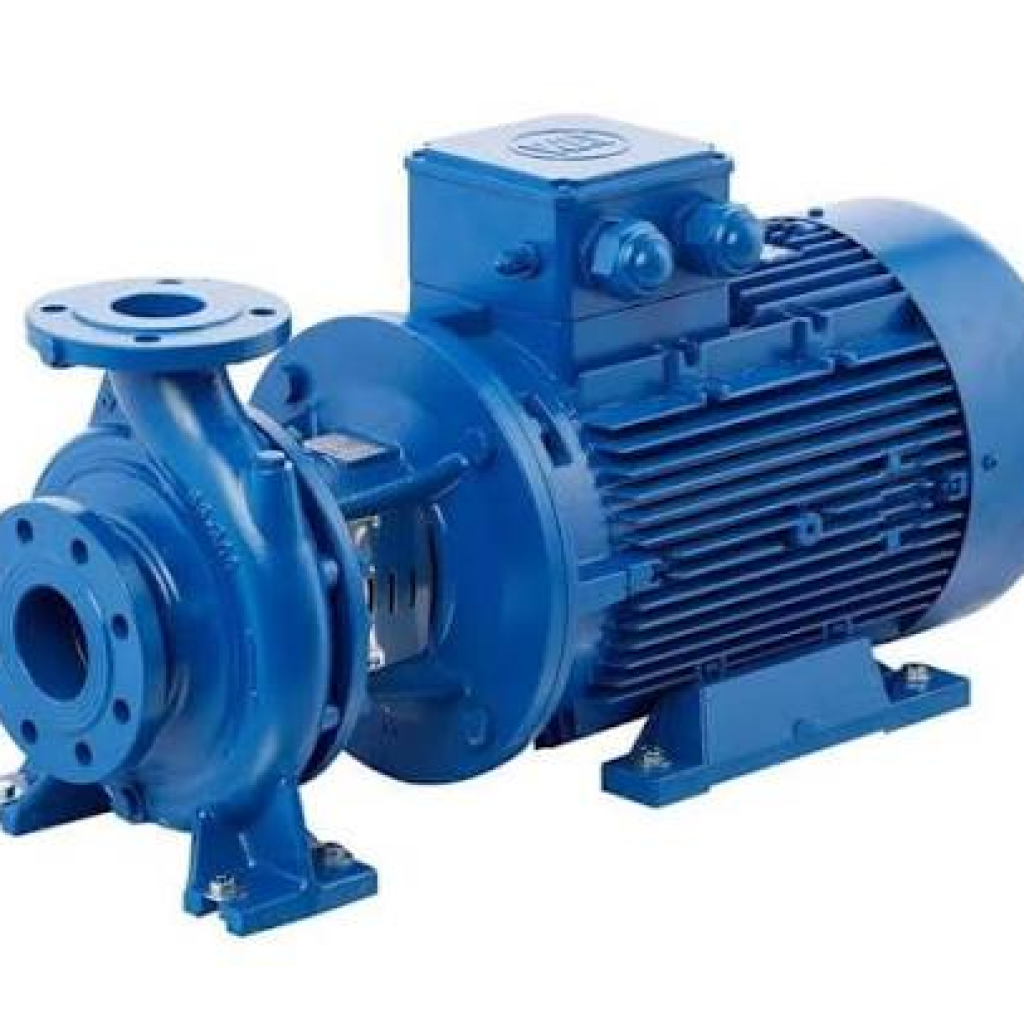
What Is a Centrifugal Pump?
A centrifugal pump is a dynamic pump that uses a rotating impeller to transfer energy to a liquid. The impeller rotates at high speed and increases the velocity of the fluid. The pump casing then converts part of this velocity into pressure, allowing the liquid to move through the discharge piping.
A typical centrifugal pumping system includes:
- Electric motor
- Pump casing
- Impeller
- Shaft
- Bearings
- Mechanical seal or other sealing arrangement
- Suction connection
- Discharge connection
- Base or mounting arrangement
The exact configuration varies according to the pump design and application.
Gemmecotti Centrifugal Pumps in Singapore can be selected for applications where centrifugal pumping principles provide the required flow and pressure performance.
The pump operating point should be matched to the system requirements. This means understanding how much liquid needs to be transferred and what pressure or head is required to overcome the resistance of the complete piping system.
How Centrifugal Pumps Work
The operating principle of a centrifugal pump is relatively straightforward.
The motor rotates the pump shaft and impeller. As the impeller rotates, it transfers energy to the liquid. The fluid moves outward from the impeller due to centrifugal action and enters the pump casing. The casing then directs the liquid toward the discharge connection.
The pressure developed by the pump depends on several factors, including:
- Impeller diameter
- Rotational speed
- Pump design
- Fluid properties
- Operating point
- System resistance
For Gemmecotti Centrifugal Pumps in Singapore, understanding this operating principle is important when selecting the appropriate pump for an industrial process.
Centrifugal pumps generally perform particularly well in applications requiring continuous movement of relatively low- to moderate-viscosity liquids.
Why Centrifugal Pumps Are Important in Singapore
Singapore’s industrial infrastructure requires reliable equipment capable of supporting continuous operations. Manufacturing plants and processing facilities often operate for long hours, and pumping failures can interrupt production.
A reliable centrifugal pump can support:
- Continuous liquid transfer
- Chemical circulation
- Process cooling
- Water movement
- Wastewater treatment
- Chemical handling
- Industrial cleaning
- Process-fluid circulation
This makes Gemmecotti Centrifugal Pumps in Singapore a potential solution for a broad range of industrial applications.
However, the pump should be matched to the actual process requirements. A pump designed for clean water may not necessarily be suitable for aggressive chemicals or abrasive fluids.
Main Applications of Gemmecotti Centrifugal Pumps in Singapore
The applications of Gemmecotti Centrifugal Pumps in Singapore can span multiple industries.
1. Chemical Processing
Chemical processing facilities require pumps to transfer raw materials, process chemicals, intermediate liquids, finished products, and wastewater.
Some chemical fluids can be highly corrosive. Therefore, the pump material must be compatible with the process fluid.
Centrifugal pumps can be considered for suitable chemical-transfer applications where the fluid properties and operating requirements fall within the pump’s capabilities.
When selecting Gemmecotti Centrifugal Pumps in Singapore for chemical processing, engineers should examine:
- Chemical composition
- Concentration
- Temperature
- Specific gravity
- Viscosity
- Required flow
- Discharge pressure
- Suction conditions
Material compatibility should be verified for the complete wetted assembly.
2. Water Treatment
Water treatment plants require pumps throughout different stages of the treatment process.
Applications can include:
- Raw water transfer
- Filter circulation
- Chemical transfer
- Treated-water transfer
- Process water
- Backwashing
- Wastewater movement
Centrifugal pumps are commonly considered for applications requiring continuous liquid movement.
Gemmecotti Centrifugal Pumps in Singapore can be evaluated for suitable water-treatment applications according to the required flow, pressure, material compatibility, and installation conditions.
3. Wastewater Treatment
Wastewater treatment facilities handle liquids with different chemical and physical characteristics.
Industrial wastewater may contain:
- Acids
- Alkalis
- Dissolved chemicals
- Suspended solids
- Organic contaminants
- Process residues
Pump selection therefore needs to consider not only hydraulic performance but also the composition of the wastewater.
For appropriate applications, Gemmecotti Centrifugal Pumps in Singapore may be considered for transferring wastewater or process liquids.
Where significant solids are present, the pump design and impeller arrangement should be selected accordingly.
4. Surface Treatment
Surface treatment facilities may use chemicals for:
- Cleaning
- Degreasing
- Etching
- Pickling
- Plating
- Anodizing
- Chemical treatment
These processes can involve aggressive chemical solutions.
Pumps used in such facilities must be resistant to the process environment.
Gemmecotti Centrifugal Pumps in Singapore can be evaluated for suitable surface-treatment applications where the selected construction materials are compatible with the process fluid.
5. Semiconductor and Electronics Manufacturing
Singapore is a major location for electronics and semiconductor-related manufacturing.
These industries can require carefully controlled fluid-transfer systems for chemical processes, cleaning, utilities, wastewater treatment, and process support.
The chemical properties of the fluids involved can make pump material selection particularly important.
For suitable applications, Gemmecotti Centrifugal Pumps in Singapore can be considered when the pump’s materials, hydraulic performance, and cleanliness requirements match the application.
6. Pharmaceutical Manufacturing
Pharmaceutical manufacturing facilities require reliable process equipment for production, cleaning, utilities, and wastewater systems.
Depending on the specific application, centrifugal pumps may be used for:
- Utility water
- Process water
- Cleaning solutions
- Chemical transfer
- Wastewater
- Cooling systems
When selecting Gemmecotti Centrifugal Pumps in Singapore for pharmaceutical-related applications, users should consider applicable hygiene, material, cleaning, and process requirements.
7. Industrial Cooling Systems
Industrial manufacturing equipment often requires cooling water or other cooling fluids.
Centrifugal pumps can circulate cooling liquids between:
Cooling Equipment → Pump → Process Equipment → Return System
Reliable circulation is important for maintaining stable process temperatures.
A correctly selected Gemmecotti Centrifugal Pumps in Singapore system can support continuous circulation where the pump’s operating conditions are suitable.
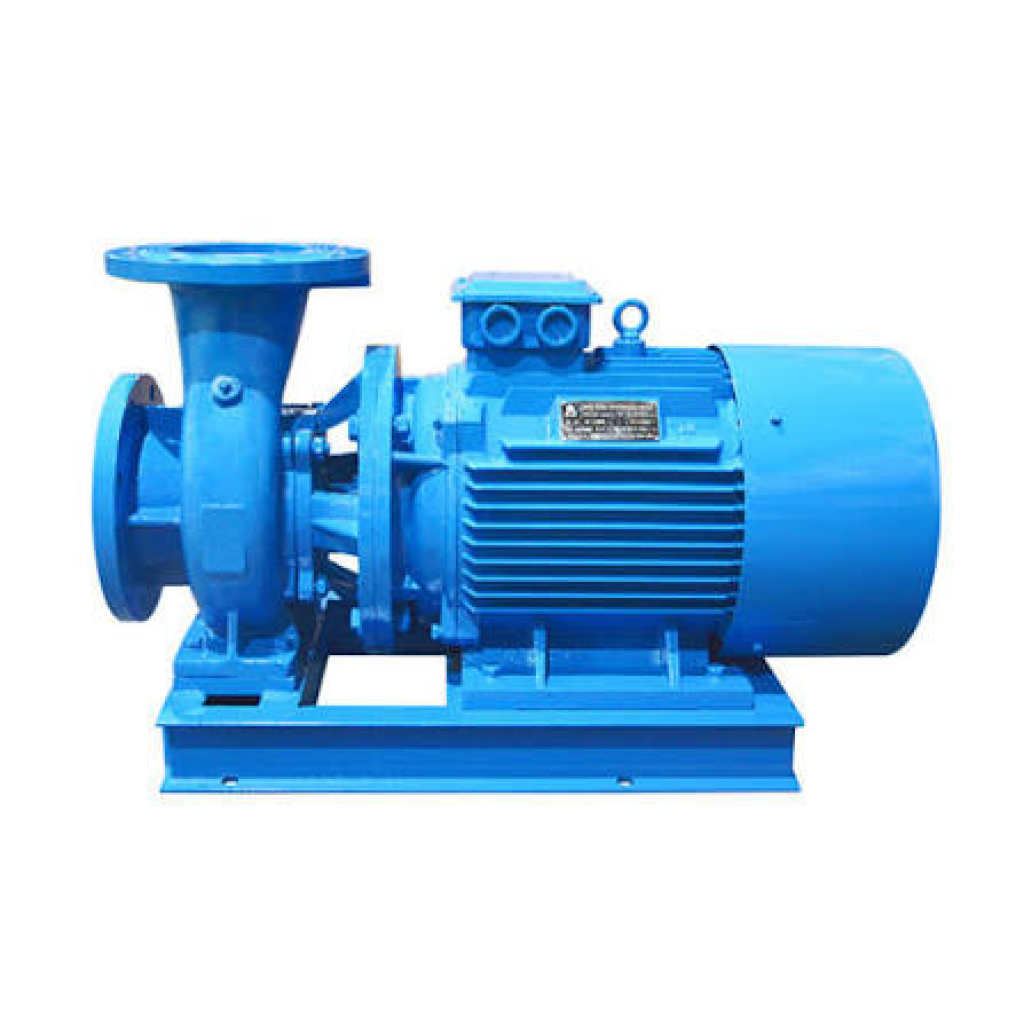
Understanding Pump Head
Pump head is one of the most important parameters in pump selection.
Head represents the energy required to move liquid through the system. It is affected by:
- Static elevation
- Pipe friction
- Valves
- Fittings
- Filters
- Heat exchangers
- Equipment pressure
- Pipe length
When selecting Gemmecotti Centrifugal Pumps in Singapore, engineers should calculate the total system head rather than relying only on the vertical height between two points.
A proper hydraulic calculation helps determine the required pump operating point.
Understanding Flow Rate
Flow rate indicates the amount of liquid that must be transferred during a specified period.
Common units include:
- Litres per minute
- Litres per hour
- Cubic metres per hour
For industrial applications, the required flow should be determined based on the process requirement.
An undersized pump may fail to deliver sufficient liquid. An oversized pump may consume excessive energy or operate away from its ideal performance range.
Therefore, the required flow rate is a key factor when selecting Gemmecotti Centrifugal Pumps in Singapore.
Pump Operating Point
A centrifugal pump operates at the point where the pump performance curve intersects the system curve.
The pump curve represents the relationship between flow and head for the selected pump.
The system curve represents the hydraulic resistance of the piping system.
Understanding the operating point is important because a pump should ideally operate within an appropriate range rather than continuously at an unsuitable extreme.
For Gemmecotti Centrifugal Pumps in Singapore, proper system analysis can help identify a suitable operating point.
Chemical Compatibility
Chemical compatibility is critical when centrifugal pumps are used for aggressive liquids.
A pump’s wetted components may include:
- Pump casing
- Impeller
- Shaft components
- Mechanical seal
- O-rings
- Gaskets
- Bushes
- Other internal components
All relevant materials should be compatible with the pumped fluid.
When purchasing Gemmecotti Centrifugal Pumps in Singapore, users should provide the exact chemical name, concentration, temperature, and other fluid characteristics.
Importance of Pump Material
The pump material can influence:
- Corrosion resistance
- Service life
- Chemical compatibility
- Maintenance
- Safety
- Reliability
Different industrial applications may require different materials.
Depending on the pump series, suitable material options may include various engineering plastics or other corrosion-resistant constructions.
For this reason, Gemmecotti Centrifugal Pumps in Singapore should be selected according to the actual chemical and mechanical requirements.
Temperature Considerations
Operating temperature can affect both the liquid and pump materials.
Increasing temperature can change:
- Fluid viscosity
- Vapour pressure
- Chemical aggressiveness
- Material performance
- Seal performance
A pump suitable at room temperature may have different operating limitations at elevated temperatures.
Therefore, temperature must be included when selecting Gemmecotti Centrifugal Pumps in Singapore.
Users should provide normal, minimum, and maximum operating temperatures wherever possible.
Specific Gravity
Specific gravity represents the density of a liquid relative to water.
A fluid with a higher specific gravity can require greater power than water for the same flow and head.
Therefore, specific gravity should be provided when selecting Gemmecotti Centrifugal Pumps in Singapore.
This information helps engineers determine the appropriate motor and hydraulic configuration.
Viscosity
Centrifugal pumps generally perform most effectively with relatively low-viscosity fluids.
As viscosity increases, pump performance can change.
Highly viscous liquids may require a different pump technology depending on the application.
For this reason, users should provide viscosity data when requesting Gemmecotti Centrifugal Pumps in Singapore for non-water-like liquids.
Suction Conditions
Suction conditions are critical to centrifugal pump operation.
The pump requires sufficient pressure at the suction side to avoid undesirable operating conditions.
Factors affecting suction conditions include:
- Tank level
- Suction pipe diameter
- Suction pipe length
- Liquid temperature
- Atmospheric pressure
- Valve restrictions
- Strainers
- Fluid vapour pressure
Poor suction design can contribute to cavitation.
Cavitation in Centrifugal Pumps
Cavitation occurs when the local pressure in the pump falls below the liquid’s vapour pressure, allowing vapor bubbles to form and subsequently collapse.
Potential signs include:
- Unusual noise
- Vibration
- Reduced flow
- Pressure fluctuations
- Performance loss
- Internal damage
Proper suction-system design is therefore essential.
Operators using Gemmecotti Centrifugal Pumps in Singapore should investigate abnormal vibration or noise promptly.
NPSH Considerations
Net Positive Suction Head, or NPSH, is an important parameter in centrifugal pump applications.
There are two commonly discussed values:
- NPSH available
- NPSH required
The system should provide adequate available NPSH for the selected pump under the actual operating conditions.
Temperature, tank pressure, liquid level, pipe friction, and fluid vapour pressure can influence NPSH.
For Gemmecotti Centrifugal Pumps in Singapore, NPSH should be evaluated during pump selection, particularly for high-temperature or suction-lift applications.
Pump Efficiency
Pump efficiency is important because energy consumption represents a significant portion of lifecycle operating cost.
Efficiency depends on:
- Pump design
- Operating point
- Flow
- Head
- Motor efficiency
- System resistance
- Maintenance condition
Selecting a pump that operates near an appropriate efficiency range can help reduce unnecessary energy consumption.
For companies evaluating Gemmecotti Centrifugal Pumps in Singapore, lifecycle energy cost should be considered alongside purchase price.
Benefits of Centrifugal Pump Technology
Centrifugal pumps can provide several advantages for suitable applications.
Continuous Operation
They can be used in applications requiring continuous fluid circulation.
Simple Operating Principle
The basic operating principle is relatively straightforward.
Broad Application Range
They can be used in water, chemical, process, and utility applications when appropriately designed.
Suitable Flow Characteristics
They can provide efficient fluid movement across many industrial flow ranges.
Integration
Centrifugal pumps can be integrated into automated industrial process systems.
These characteristics make Gemmecotti Centrifugal Pumps in Singapore relevant to many industrial pumping applications.
Installation of Gemmecotti Centrifugal Pumps
Correct installation is essential for reliable operation.
Before installing Gemmecotti Centrifugal Pumps in Singapore, the installation team should confirm:
- Correct pump model
- Correct motor specification
- Suitable foundation
- Correct pipe sizes
- Proper pipe alignment
- Correct valve arrangement
- Appropriate suction conditions
- Electrical connections
- Earthing
- Maintenance access
The pump should be installed according to the manufacturer’s instructions.
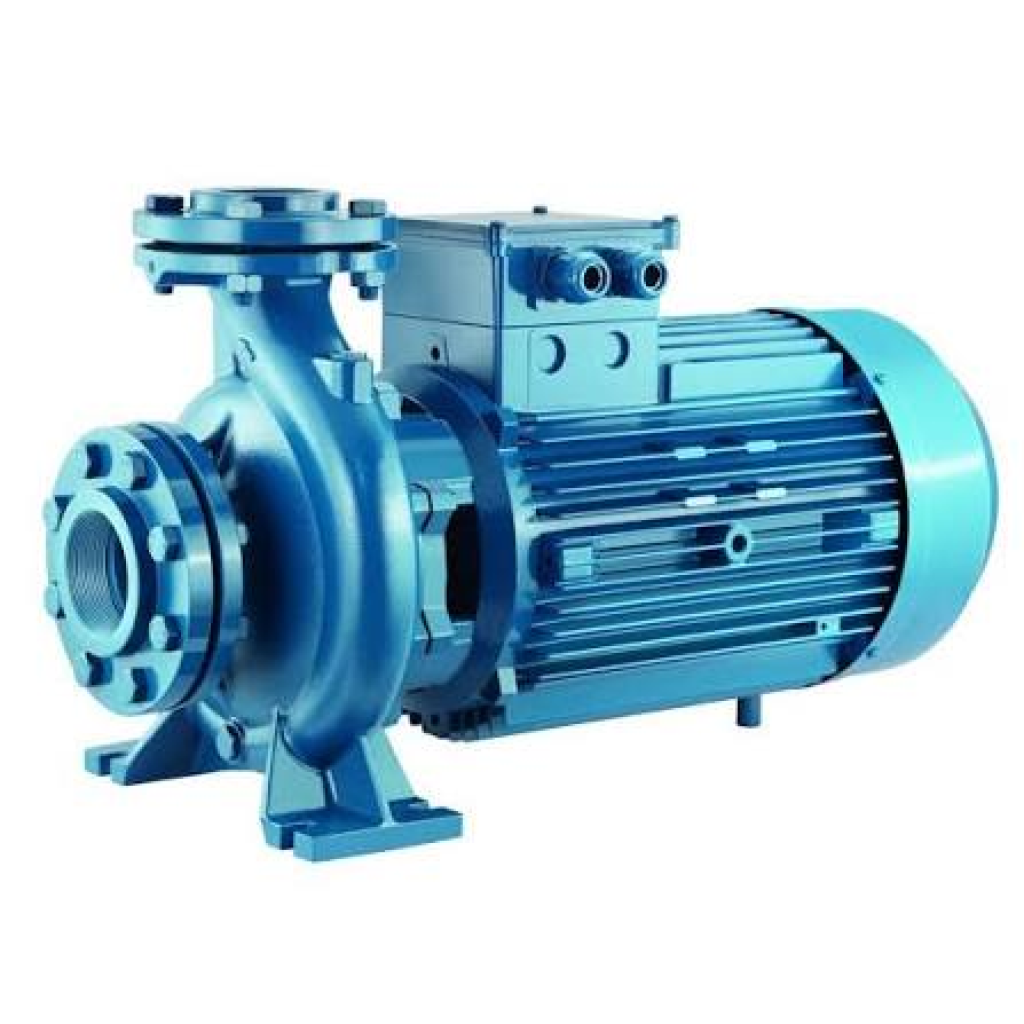
Foundation and Mounting
The pump should be securely mounted on a suitable foundation.
A stable foundation can help minimize vibration and maintain alignment.
The foundation should be capable of supporting the pump, motor, and associated equipment.
For Gemmecotti Centrifugal Pumps in Singapore, mounting requirements should be reviewed before installation begins.
Piping Design
Piping has a significant effect on pump performance.
The suction and discharge piping should be properly sized according to the required flow and system conditions.
Important considerations include:
- Pipe diameter
- Pipe length
- Elbows
- Valves
- Reducers
- Strainers
- Pipe supports
- Elevation
The piping should not place excessive mechanical loads on the pump.
Suction Piping
Suction piping deserves particular attention.
A poorly designed suction line can cause excessive pressure losses and unstable pump operation.
Good design generally aims to:
- Minimize unnecessary fittings
- Avoid excessive restrictions
- Maintain appropriate pipe diameter
- Prevent air leakage
- Provide adequate liquid supply
For Gemmecotti Centrifugal Pumps in Singapore, proper suction design can contribute significantly to reliable operation.
Discharge Piping
Discharge piping determines how the pumped liquid reaches the destination.
The discharge system may include:
- Isolation valves
- Check valves
- Flow-control equipment
- Filters
- Process equipment
- Long pipe runs
The pressure loss across these components should be included in the hydraulic calculation.
Electrical Installation
Motor-driven centrifugal pumps require appropriate electrical connections.
Before commissioning Gemmecotti Centrifugal Pumps in Singapore, electrical technicians should verify:
- Voltage
- Frequency
- Motor rating
- Cable sizing
- Overload protection
- Earthing
- Rotation
- Control system
Electrical installation should be completed by appropriately qualified personnel.
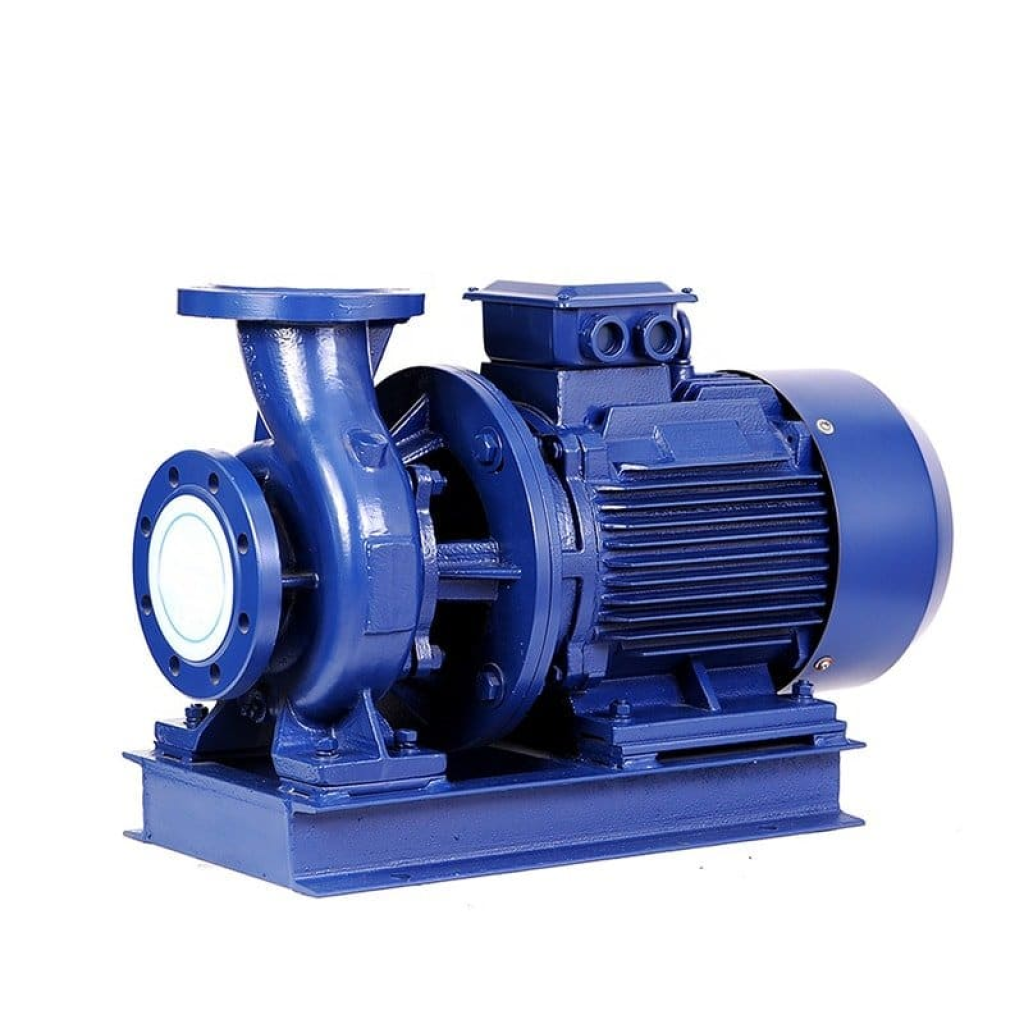
Pump Commissioning
Commissioning ensures that the pump and system are ready for operation.
A typical commissioning process may include:
- Inspection
- Piping verification
- Valve verification
- Electrical checks
- Lubrication checks where applicable
- Priming
- Rotation verification
- Initial start
- Flow verification
- Pressure verification
- Vibration inspection
The pump should be operated within its specified conditions.
Preventive Maintenance
Preventive maintenance can improve reliability and help identify problems before major failure occurs.
Maintenance activities may include:
- Leakage inspection
- Seal inspection
- Bearing inspection
- Motor inspection
- Vibration monitoring
- Pressure monitoring
- Flow monitoring
- Piping inspection
- Valve inspection
A planned maintenance schedule is important for facilities operating Gemmecotti Centrifugal Pumps in Singapore continuously or for long operating hours.
Common Centrifugal Pump Problems
Several problems can affect centrifugal pump operation.
Low Flow
Possible causes include:
- Blocked suction
- Closed valve
- Excessive system resistance
- Incorrect pump selection
- Impeller problems
- Low liquid level
High Vibration
Possible causes include:
- Misalignment
- Cavitation
- Bearing problems
- Pipe stress
- Foundation problems
- Mechanical imbalance
Excessive Noise
Possible causes include:
- Cavitation
- Air entering the system
- Bearing wear
- Mechanical damage
Prompt troubleshooting can help prevent further damage.
Contact Information:
- Website: https://flomek.com
- Email: sales@flomek.com
- Phone: +65 1234 5678
- Address: 123 Industrial Avenue, Singapore 567890
Get in touch with us today to discuss your project or request a quote. Let Flomek help you find the perfect pump solution to keep your operations flowing smoothly. Pump manufacture in yishun
Also Read – Best pump services Pump manufacture in yishun
Copyright © Flomek 2024, All Right Reserved.Designed and Developed by ❤️ Krigo Softwares


Leave A Reply