





Corrosion Resistant Pump Singapore – Singapore’s No 1 Best Pump service & supplier
Corrosion Resistant Pump Singapore: Complete Guide to Industrial Pumping Solutions
Introduction
Industries in Singapore depend on reliable fluid-handling equipment for chemical processing, water treatment, wastewater treatment, semiconductor manufacturing, electronics production, pharmaceuticals, marine operations, surface treatment, and many other industrial activities. In these applications, the fluids being transferred can be acidic, alkaline, chemically aggressive, saline, or otherwise corrosive. Conventional metallic pumps may experience corrosion, material degradation, leakage, and premature component failure when they are exposed to unsuitable operating conditions. This is why selecting the right Corrosion Resistant Pump Singapore solution is an important consideration for industrial facilities.
A Corrosion Resistant Pump Singapore solution is designed using materials and construction technologies that provide resistance to chemical attack and corrosive environments. Depending on the application, these pumps may be manufactured using polypropylene (PP), PVDF, engineered thermoplastics, specialized alloys, or combinations of corrosion-resistant materials. Pump designs can include centrifugal pumps, magnetic-drive pumps, sealless pumps, vertical pumps, self-priming pumps, and chemical transfer pumps.
Choosing a suitable Corrosion Resistant Pump Singapore requires more than identifying the type of liquid being pumped. Chemical concentration, operating temperature, flow rate, total head, specific gravity, viscosity, suction conditions, discharge pressure, and operating hours must all be considered. A pump that performs well with one chemical may not be appropriate for another chemical or for the same chemical at a different concentration or temperature.
For Singapore’s industrial sector, dependable pumping equipment can help improve operational reliability, reduce maintenance requirements, and minimize the risks associated with corrosion-related failures. A properly selected Corrosion Resistant Pump Singapore can be an important part of an industrial fluid-handling system.
This guide explains corrosion-resistant pump technology, materials, applications, selection criteria, advantages, maintenance requirements, and other important considerations for businesses looking for industrial pumping solutions in Singapore.
What Is a Corrosion Resistant Pump?
A corrosion-resistant pump is a pump designed to handle corrosive or chemically aggressive fluids using materials that can withstand the intended operating environment.
Corrosion can occur when a material reacts with its surrounding environment. In pump systems, corrosion may affect the casing, impeller, shaft, seals, bearings, fasteners, valves, and other components. If corrosion is not controlled, it can lead to reduced pump efficiency, leakage, vibration, contamination, and equipment failure.
A Corrosion Resistant Pump Singapore is selected to minimize these risks through appropriate material selection and pump construction.
The term “corrosion resistant” does not mean that a pump is automatically compatible with every chemical. Every application requires a compatibility assessment. Factors such as chemical concentration, temperature, exposure duration, and fluid characteristics influence material performance.
For example, polypropylene may be suitable for many chemical applications, while PVDF can be considered for more demanding chemical services. In some applications, specialized metallic alloys may also be appropriate.
The objective is to select a pump construction that provides reliable performance throughout the expected service life.
Why Corrosion Resistance Is Important in Singapore Industries
Singapore has a highly developed industrial environment. Chemical manufacturing, electronics, semiconductor production, pharmaceutical manufacturing, water treatment, and wastewater treatment require dependable fluid-handling systems.
Many industrial processes involve chemicals that can attack conventional materials.
Examples include:
- Acids
- Alkalis
- Saline solutions
- Cleaning chemicals
- Plating solutions
- Process chemicals
- Waste chemicals
- Chemical treatment solutions
- Industrial wastewater
- Corrosive process liquids
When these fluids are transferred through an unsuitable pump, corrosion can occur rapidly.
Using a properly selected Corrosion Resistant Pump Singapore can help reduce corrosion-related maintenance and improve system reliability.
Corrosion resistance is particularly important when a pump operates continuously. A small material incompatibility may become a major problem after extended exposure.
Main Types of Corrosion Resistant Pumps
Several pump technologies can be used for corrosion-resistant applications.
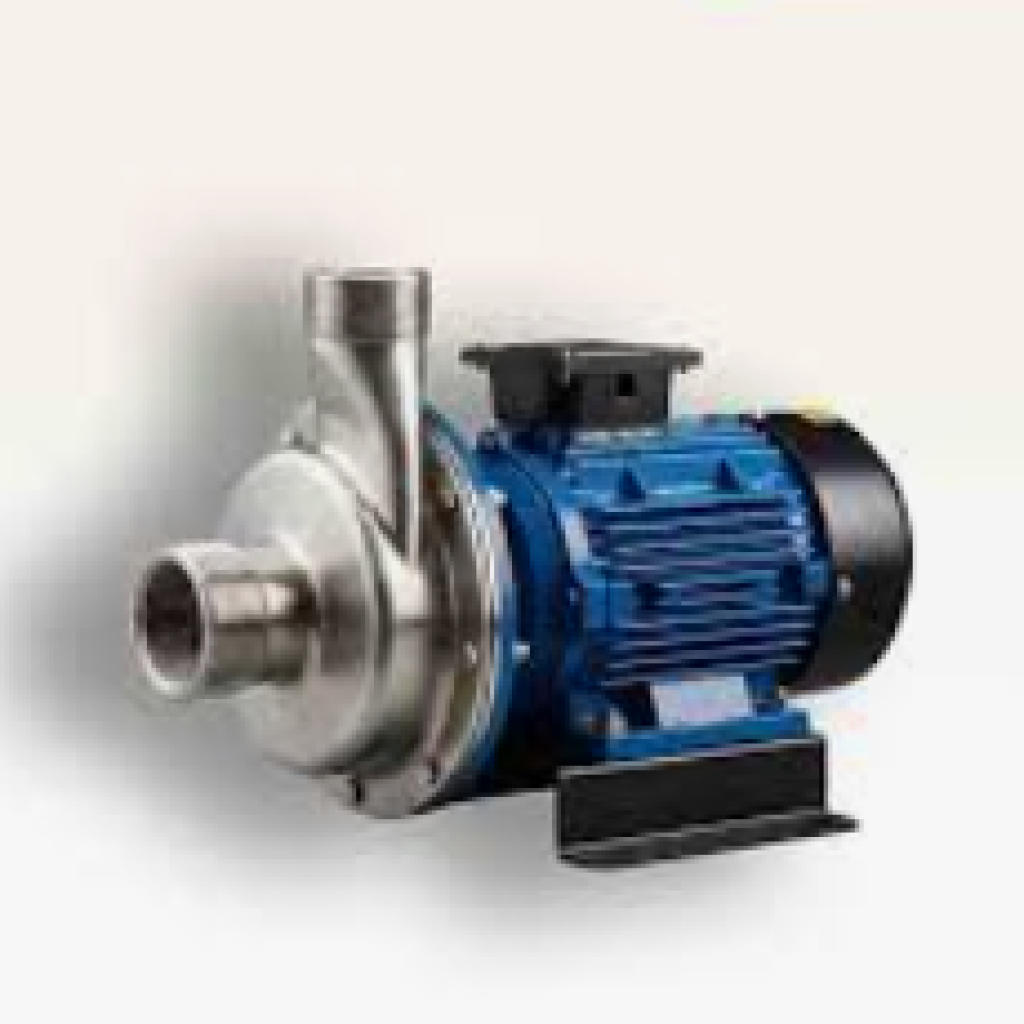
1. Corrosion Resistant Centrifugal Pumps
Centrifugal pumps use a rotating impeller to transfer liquid. They are commonly used for continuous-flow applications.
Typical applications include:
- Chemical transfer
- Process circulation
- Water treatment
- Wastewater treatment
- Chemical dosing systems
- Industrial washing
- Filtration systems
- Plating systems
The casing and wetted components can be manufactured from suitable corrosion-resistant materials.
A Corrosion Resistant Pump Singapore based on centrifugal technology can be selected when continuous and reliable liquid transfer is required.
2. Magnetic Drive Pumps
Magnetic drive pumps use magnetic coupling to transfer motor power to the impeller.
Unlike conventional mechanically sealed pumps, magnetic-drive designs can eliminate the need for a traditional shaft seal penetrating the pump casing.
This can provide an important advantage when handling corrosive or hazardous liquids.
Potential applications include:
- Acid transfer
- Chemical circulation
- Plating solutions
- Semiconductor chemicals
- Industrial cleaning
- Chemical storage systems
A magnetic-drive Corrosion Resistant Pump Singapore can therefore be considered when leakage control is an important design objective.
3. Sealless Pumps
Sealless pumps are designed without a conventional mechanical shaft seal.
The absence of a mechanical shaft seal can reduce certain leakage-related risks. This makes sealless technology attractive for applications involving aggressive chemicals.
However, sealless pumps still need correct operating conditions. Dry running, improper suction conditions, excessive temperature, or unsuitable fluids can cause damage.
4. Vertical Corrosion Resistant Pumps
Vertical pumps are often used in tanks, sumps, chemical storage vessels, and process tanks.
Their configuration allows the pump to operate vertically with the pumping components positioned inside or near the liquid source.
Applications include:
- Chemical storage tanks
- Plating tanks
- Wastewater sumps
- Process vessels
- Chemical circulation systems
A vertical Corrosion Resistant Pump Singapore can help optimize space in certain industrial installations.
5. Self-Priming Pumps
Self-priming pumps can be useful where the pump is installed above the liquid level and requires air evacuation from the suction line under suitable conditions.
These pumps may be used for:
- Chemical transfer
- Wastewater transfer
- Tank emptying
- Industrial drainage
- Process liquid transfer
However, actual self-priming capability depends on the pump design and operating conditions.
Corrosion Resistant Pump Materials
Material selection is one of the most important parts of pump engineering.
Polypropylene (PP)
Polypropylene is a widely used thermoplastic material for corrosion-resistant pumping applications.
PP provides good resistance to many acids, alkalis, salts, and aqueous chemical solutions.
Applications can include:
- Chemical transfer
- Wastewater treatment
- Plating
- Industrial cleaning
- Water treatment
- Process circulation
A PP Corrosion Resistant Pump Singapore can be a practical solution for many general chemical applications.
However, compatibility must be confirmed for each chemical and operating condition.
PVDF Corrosion Resistant Pumps
PVDF, or polyvinylidene fluoride, is an advanced fluoropolymer used in demanding chemical applications.
PVDF provides strong resistance to many aggressive chemicals and can offer higher temperature resistance than some general-purpose thermoplastics.
PVDF pumps are commonly considered for applications involving:
- Aggressive chemicals
- Semiconductor processes
- Electronics manufacturing
- Chemical processing
- Pharmaceutical processes
- High-purity chemical handling
A PVDF Corrosion Resistant Pump Singapore may be selected when the application requires a higher level of chemical resistance.
PP vs PVDF for Corrosion Resistant Applications
PP and PVDF are both valuable materials, but they are not interchangeable in every application.
| Feature | PP | PVDF |
|---|---|---|
| Chemical resistance | Very good for many applications | Excellent for many aggressive chemicals |
| Temperature capability | Suitable for many moderate-temperature applications | Generally higher temperature capability |
| Typical use | General chemical handling | More demanding chemical applications |
| Semiconductor use | Application dependent | Common consideration |
| Cost | Often economical | Generally higher |
| Material selection | Application dependent | Application dependent |
The final selection should always be based on the actual chemical and operating conditions.
A qualified Corrosion Resistant Pump Singapore supplier can help compare materials before equipment selection.
Chemical Compatibility
Chemical compatibility is the foundation of corrosion-resistant pump selection.
Important parameters include:
Chemical Type
The exact chemical should be identified rather than simply describing it as “acid” or “alkali.”
Concentration
Chemical concentration can significantly affect material resistance.
Temperature
Higher temperatures can change the chemical behavior and material resistance.
Specific Gravity
Specific gravity affects pump performance and motor requirements.
Viscosity
High-viscosity fluids require different pumping considerations from water-like fluids.
Solids Content
Suspended particles may affect impeller performance and internal wear.
Vapour Pressure
Vapour pressure affects suction conditions and cavitation risk.
All these factors should be considered when selecting a Corrosion Resistant Pump Singapore.
Applications of Corrosion Resistant Pumps in Singapore
Chemical Processing Industry
Chemical processing facilities frequently handle aggressive chemicals.
Pumps may be required for:
- Raw chemical transfer
- Process circulation
- Chemical storage
- Batch processing
- Waste chemical transfer
- Chemical dosing
Corrosion-resistant construction can help improve equipment life in suitable applications.
A Corrosion Resistant Pump Singapore can provide reliable chemical transfer when the pump materials are correctly matched to the process fluid.
Semiconductor Manufacturing
Singapore is an important location for semiconductor and electronics manufacturing.
Semiconductor manufacturing uses specialized chemicals during various process stages.
Pump systems may be required for:
- Chemical distribution
- Chemical circulation
- Cleaning processes
- Waste chemical handling
- Process water systems
- Wastewater treatment
PVDF and other corrosion-resistant materials can be considered for appropriate chemical applications.
Because semiconductor processes can have demanding material requirements, pump selection should be based on exact chemical and process specifications.
Electronics Manufacturing
Electronics manufacturing may involve cleaning chemicals, etching solutions, surface treatment chemicals, and wastewater.
Corrosion-resistant pumping systems can help support reliable process operations.
A properly selected Corrosion Resistant Pump Singapore can be used in suitable chemical-transfer and circulation applications within electronics manufacturing facilities.
Pharmaceutical Industry
Pharmaceutical manufacturing requires controlled processes and reliable equipment.
Depending on the application, corrosion-resistant pumps can be used for:
- Chemical transfer
- Cleaning systems
- Wastewater treatment
- Process utilities
- Chemical dosing
- Industrial water treatment
The pump materials should be selected according to the process fluid and applicable requirements.
Water Treatment
Water treatment plants use chemicals for disinfection, pH control, coagulation, filtration, and other processes.
Corrosion-resistant pumps may be used to transfer treatment chemicals from storage tanks to dosing systems.
Potential applications include:
- Acid dosing
- Alkali dosing
- Chemical transfer
- Process circulation
- Neutralization
The pump should be selected based on chemical compatibility and required flow and pressure.
Wastewater Treatment
Industrial wastewater can contain corrosive chemicals and contaminants.
Pumps may be required for:
- Chemical dosing
- Neutralization
- Waste transfer
- Chemical circulation
- Sludge-related systems
- Filtration support
A corrosion-resistant construction can help extend equipment service life where the fluid chemistry is compatible with the selected material.
Surface Treatment and Plating
Surface treatment and electroplating industries use aggressive chemical solutions.
Processes can include:
- Cleaning
- Degreasing
- Pickling
- Etching
- Electroplating
- Chemical treatment
- Rinsing
Pumps used in these systems must be compatible with the specific chemicals.
A Corrosion Resistant Pump Singapore can be selected for chemical circulation and transfer applications where suitable materials are required.
Marine Applications
Singapore’s maritime environment creates additional challenges for equipment.
Saltwater and humid environments can contribute to corrosion of unsuitable materials.
Corrosion-resistant pump technology can be used in selected marine applications such as:
- Seawater handling
- Chemical transfer
- Bilge-related systems
- Water treatment
- Industrial marine processes
The pump material must be evaluated according to the fluid and operating environment.
Industrial Cleaning Systems
Industrial cleaning systems can use acidic or alkaline solutions.
Pumps may be used to circulate or transfer:
- Cleaning chemicals
- Detergent solutions
- Acidic cleaners
- Alkaline cleaners
- Process water
A suitable Corrosion Resistant Pump Singapore can support reliable chemical transfer in compatible cleaning applications.
Chemical Transfer Applications
Chemical transfer is one of the most important applications for corrosion-resistant pumps.
The pump may be required to move chemicals from:
Storage Tank → Transfer Pump → Process Tank
or:
Chemical Tank → Pump → Dosing System
The pump must be selected based on:
- Chemical compatibility
- Required flow
- Required pressure
- Temperature
- Suction conditions
- Tank arrangement
- Operating frequency
A magnetic-drive Corrosion Resistant Pump Singapore can be especially useful where leakage prevention is a major consideration.
Acid Transfer Pumps
Acid transfer applications require careful material selection.
Different acids have different compatibility characteristics. Concentration and temperature also affect material performance.
Potential applications include:
- Hydrochloric acid transfer
- Sulfuric acid applications
- Nitric acid applications
- Phosphoric acid systems
- Acid cleaning
- Pickling processes
The exact chemical concentration and temperature must be provided before confirming pump compatibility.
Alkali Transfer Pumps
Alkaline solutions are used in many industrial processes.
Applications can include:
- Cleaning
- Neutralization
- Chemical processing
- Surface treatment
- Wastewater treatment
A suitable plastic or other corrosion-resistant pump may provide reliable transfer when the material is compatible.
Importance of Pump Sizing
Selecting the correct pump size is essential.
Pump sizing should consider:
- Required flow rate
- Total dynamic head
- Static head
- Pipe friction
- Valve losses
- Fitting losses
- Fluid density
- Fluid viscosity
- Temperature
- Operating point
An oversized pump may consume more energy than necessary.
An undersized pump may fail to achieve the required process flow.
Therefore, a professional Corrosion Resistant Pump Singapore supplier should review the complete hydraulic system before recommending a pump.
Understanding Flow Rate
Flow rate describes how much liquid the pump transfers over a particular period.
Common units include:
- Litres per minute
- Litres per hour
- Cubic metres per hour
- Gallons per minute
For example, if a process requires 10 m³/h, the selected pump should be capable of providing that flow at the required head.
Flow rate alone is not sufficient for pump selection. The corresponding head must also be considered.
Understanding Pump Head
Pump head represents the energy required to move the liquid through the system.
Total head can include:
- Static elevation
- Pipe friction
- Valve losses
- Fitting losses
- Equipment pressure
- Discharge pressure
The pump must provide adequate head at the required flow.
Pump curves should therefore be reviewed before selecting a Corrosion Resistant Pump Singapore.
Pump Efficiency
Pump efficiency influences energy consumption.
Industrial pumps can operate for thousands of hours, making energy consumption a major part of lifecycle cost.
Efficiency can be improved by:
- Correct pump sizing
- Proper pipe design
- Appropriate motor selection
- Regular maintenance
- Operating near the preferred pump range
- Avoiding unnecessary throttling
- Preventing cavitation
The most efficient pump is not necessarily the smallest or largest pump. It is the pump properly matched to the system.
Magnetic Drive Technology
Magnetic drive technology is particularly valuable for certain corrosive chemical applications.
In a conventional pump, a rotating shaft generally passes through the casing using a mechanical seal.
A magnetic-drive pump transfers torque through magnetic coupling.
This design can eliminate the conventional shaft penetration and reduce the potential for seal leakage.
Advantages can include:
- Reduced leakage risk
- Lower seal-related maintenance
- Suitable for certain hazardous fluids
- Suitable for corrosive liquids
- Cleaner operation
A magnetic-drive Corrosion Resistant Pump Singapore can therefore be an effective choice for suitable industrial chemical applications.
Advantages of Corrosion Resistant Pumps
Corrosion-resistant pumps can provide several important advantages.
Improved Equipment Life
Correct material selection can reduce corrosion-related degradation.
Reduced Maintenance
Corrosion-resistant components may reduce certain maintenance requirements.
Better Chemical Handling
Suitable materials allow pumps to handle aggressive fluids safely within their rated conditions.
Reduced Leakage Risk
Sealless or magnetic-drive technologies can reduce shaft-seal-related leakage risks.
Operational Reliability
Properly selected pumps can provide consistent process performance.
Reduced Downtime
Preventing premature corrosion can help reduce unexpected equipment failures.
Long-Term Value
A pump selected for the correct application can provide better lifecycle economics.
Advanced Pump Selection for Corrosive Applications
Selecting the correct Corrosion Resistant Pump Singapore requires a detailed understanding of the complete pumping system. Industrial customers should not select a pump only by looking at the required pipe size or motor power. A properly engineered pumping system considers the liquid characteristics, hydraulic requirements, materials, installation arrangement, operating cycle, and maintenance requirements.
The first step is to identify the fluid accurately. The chemical name, concentration, temperature, specific gravity, viscosity, vapour pressure, and presence of solids should be documented. This information allows the pump supplier or engineer to determine whether polypropylene, PVDF, another thermoplastic, or a specialized metal is appropriate.
The second step is determining the required flow rate and total dynamic head. These parameters define the pump’s hydraulic duty point. The pump should ideally operate within its recommended operating range.
The third step is reviewing the installation arrangement. Suction lift, pipe length, pipe diameter, bends, valves, filters, elevation changes, and discharge pressure all affect pump performance.
A professional Corrosion Resistant Pump Singapore provider can review these factors before recommending the final pump configuration.
Chemical Compatibility for Corrosion Resistant Pumps
Chemical compatibility is one of the most important considerations when selecting a Corrosion Resistant Pump Singapore.
Different chemicals can interact differently with pump materials. Even when a material is generally described as chemically resistant, its actual performance may depend on concentration and temperature.
For example, a thermoplastic may provide excellent resistance to a particular chemical at ambient temperature but may have a different performance limit at elevated temperature.
Therefore, customers should provide complete operating information before final pump selection.
Important compatibility considerations include:
- Chemical composition
- Concentration
- Temperature
- Exposure duration
- Flow velocity
- Pressure
- Chemical mixture
- Presence of impurities
- Cleaning chemicals
- Process conditions
A material compatibility chart can be useful for preliminary selection, but final engineering approval should be based on the manufacturer’s technical recommendations.
Corrosion Resistant Pump Singapore for Hydrochloric Acid
Hydrochloric acid is widely used in industrial processing, cleaning, surface treatment, chemical manufacturing, and wastewater treatment.
Because hydrochloric acid can aggressively attack many metals, corrosion-resistant pump construction can be valuable.
Depending on concentration and temperature, polypropylene and PVDF may be considered for suitable applications.
A Corrosion Resistant Pump Singapore for hydrochloric acid should be selected based on:
- Acid concentration
- Operating temperature
- Required flow
- Required pressure
- Pump configuration
- Seal or sealless arrangement
- Pipe material
- Operating hours
Magnetic-drive pumps can be attractive where leakage control is important.
Corrosion Resistant Pump Singapore for Sulfuric Acid
Sulfuric acid applications require particularly careful material evaluation because concentration and temperature can significantly influence compatibility.
The pump should never be selected solely because it is marketed as a general chemical pump.
A professional Corrosion Resistant Pump Singapore supplier should review the exact sulfuric acid concentration, temperature, hydraulic requirements, and materials before confirming suitability.
Pump casing, impeller, shaft, seals, bearings, and other wetted components should all be considered.
Corrosion Resistant Pump Singapore for Nitric Acid
Nitric acid is another aggressive chemical used in industrial processes.
Applications can include:
- Chemical processing
- Metal treatment
- Surface preparation
- Cleaning
- Manufacturing
PVDF and other specialized materials may be considered depending on operating conditions.
The correct Corrosion Resistant Pump Singapore solution should be selected only after reviewing chemical compatibility and operating parameters.
Corrosion Resistant Pump Singapore for Sodium Hydroxide
Sodium hydroxide, also known as caustic soda, is commonly used in chemical processing, cleaning, water treatment, and industrial manufacturing.
Plastic pump construction can be useful for many sodium hydroxide applications.
However, concentration and temperature must be considered because they influence material compatibility.
A Corrosion Resistant Pump Singapore can be selected for sodium hydroxide transfer when the pump material and operating limits are properly matched.
Pump Construction and Wetted Components
When evaluating a corrosion-resistant pump, customers should examine all wetted components rather than only the pump casing.
Important components may include:
- Pump casing
- Impeller
- Shaft
- Bushes
- Bearings
- O-rings
- Gaskets
- Mechanical seals
- Magnetic coupling components
- Fasteners
A casing may be corrosion resistant while another internal component is not suitable for the same chemical.
Therefore, complete wetted-material compatibility is essential.
Corrosion Resistant Pump Singapore and Mechanical Seals
Mechanical seals are used in many conventional pump designs to prevent fluid from escaping around the rotating shaft.
The seal material must be compatible with the pumped liquid.
Possible seal materials include different elastomers, ceramics, carbon-based materials, and engineered compounds.
A seal that is suitable for one chemical may not be suitable for another.
For highly corrosive or hazardous applications, customers may consider a magnetic-drive or sealless Corrosion Resistant Pump Singapore solution.
Sealless Pump Advantages
Sealless pumps remove the conventional mechanical shaft seal from the pumping arrangement.
This can provide several advantages:
- Reduced seal leakage
- Reduced seal replacement
- Cleaner operation
- Lower chemical exposure around the shaft
- Reduced maintenance in suitable applications
However, sealless pumps have their own operating limitations.
They must be operated according to manufacturer requirements and should not be allowed to run dry unless specifically designed for that condition.
Corrosion Resistant Pump Singapore for Chemical Storage Tanks
Chemical storage tanks often require reliable transfer systems.
A typical arrangement may be:
Chemical Storage Tank → Corrosion Resistant Pump → Process Tank
The pump may be installed beside the storage tank or configured vertically inside the tank.
Tank transfer applications require careful consideration of:
- Tank outlet size
- Suction pipe length
- Static liquid level
- Chemical compatibility
- Flow rate
- Discharge elevation
- Pump priming
- Tank venting
A suitable Corrosion Resistant Pump Singapore can improve reliability in chemical transfer systems.
Corrosion Resistant Pump Singapore for Dosing Systems
Chemical dosing systems require accurate and dependable fluid transfer.
Pumps may be used to transfer treatment chemicals into:
- Water treatment systems
- Wastewater treatment systems
- Neutralization tanks
- Process vessels
- Chemical reactors
The pump selection depends on whether the application requires continuous circulation, controlled dosing, or batch transfer.
Corrosion Resistant Pump Singapore for Neutralization Systems
Neutralization systems use chemicals to adjust pH.
Acid and alkaline chemicals may be introduced into treatment tanks.
These chemicals can be corrosive, making material selection important.
A properly selected Corrosion Resistant Pump Singapore can be used for chemical transfer in suitable neutralization systems.
Corrosion Resistant Pump Singapore for Electroplating
Electroplating systems frequently use aggressive chemical solutions.
Pumps can be required for:
- Bath circulation
- Chemical transfer
- Filtration
- Rinse systems
- Waste treatment
Plastic centrifugal and magnetic-drive pumps can be suitable for many plating applications when the materials are compatible with the process chemistry.
Corrosion Resistant Pump Singapore for Etching Systems
Etching processes can use strong chemical solutions.
The pump must resist the process fluid and maintain reliable flow.
PVDF construction can be considered for demanding chemical services, subject to exact compatibility requirements.
A Corrosion Resistant Pump Singapore for etching applications should be selected after reviewing chemical composition and temperature.
Corrosion Resistant Pump Singapore for Semiconductor Chemical Handling
Semiconductor facilities often have strict requirements for chemical handling equipment.
Pumps may be used in chemical distribution systems and process-support equipment.
Important considerations may include:
- Chemical purity
- Material compatibility
- Leakage control
- Temperature
- Flow stability
- Maintenance requirements
- System cleanliness
A specialized Corrosion Resistant Pump Singapore solution can support appropriate chemical-handling systems when selected according to the facility’s requirements.
Corrosion Resistant Pump Singapore for Industrial Wastewater
Industrial wastewater can contain a mixture of:
- Acids
- Alkalis
- Salts
- Cleaning agents
- Dissolved chemicals
- Suspended particles
The pump must be capable of handling the actual wastewater characteristics.
Where chemicals are dominant and solids are limited, corrosion-resistant plastic pumps can be considered.
Where significant solids are present, pump selection may require a different design.
Corrosion Resistant Pump Singapore for Seawater
Singapore’s maritime environment creates a strong requirement for corrosion-resistant equipment.
Seawater contains dissolved salts that can accelerate corrosion in many conventional materials.
Appropriate corrosion-resistant materials can provide improved service life for suitable seawater applications.
Potential uses include:
- Marine water transfer
- Cooling systems
- Water treatment
- Desalination-related systems
- Industrial seawater handling
A Corrosion Resistant Pump Singapore for seawater applications should be selected based on salinity, temperature, flow, pressure, and other process requirements.
Pump Hydraulic Performance
Corrosion resistance alone does not guarantee good pump performance.
The pump must also provide the required hydraulic output.
The primary hydraulic parameters are:
Flow Rate + Head + Fluid Properties
The pump curve should be reviewed to identify the expected operating point.
For example, a pump may provide high flow at low head but not enough flow at the required high head.
Therefore, customers should provide complete hydraulic information when requesting a quotation.
Net Positive Suction Head
NPSH is an important consideration for centrifugal pumps.
Insufficient available NPSH can result in cavitation.
Cavitation can cause:
- Noise
- Vibration
- Reduced flow
- Impeller damage
- Reduced pump life
Proper suction piping and adequate liquid level are important for maintaining good suction conditions.
A professional Corrosion Resistant Pump Singapore supplier can assist with NPSH evaluation for appropriate centrifugal pump applications.
Avoiding Dry Running
Many pumps should not operate without liquid.
Dry running can cause overheating or damage to bearings, seals, bushings, and other components.
This is particularly important for magnetic-drive pumps.
Protection methods can include:
- Low-level switches
- Flow switches
- Pressure monitoring
- Motor protection
- PLC interlocks
Automated protection can help prevent accidental dry-running events.
Corrosion Resistant Pump Singapore and Automation
Industrial pumps can be integrated into automated control systems.
Typical automation components include:
- PLC
- SCADA
- BMS
- Flow sensors
- Pressure sensors
- Level sensors
- Motor starters
- Variable frequency drives
- Alarm systems
Automation can improve operational control and provide early warning of abnormal conditions.
Variable Frequency Drive Applications
Variable frequency drives can adjust motor speed where the pump and process are suitable for variable-speed operation.
Benefits may include:
- Flow control
- Energy savings
- Reduced mechanical stress
- Improved process control
However, not every pump application should use a variable frequency drive. Pump operating limits and motor requirements must be considered.
Energy Saving with Corrosion Resistant Pumps
Industrial facilities often operate pumps continuously.
Energy consumption can therefore represent a significant portion of operating costs.
Energy efficiency can be improved through:
Correct Pump Sizing
Avoid oversized pumps.
Efficient Motor Selection
Select a motor suitable for the duty.
Optimized Piping
Reduce unnecessary pressure losses.
Proper Maintenance
Dirty or damaged components can reduce performance.
Variable Speed Operation
Use variable-speed control when appropriate.
Correct Operating Point
Operate the pump within its recommended range.
A properly engineered Corrosion Resistant Pump Singapore system can contribute to efficient industrial operations.
Installation Requirements
Correct installation is essential for pump reliability.
Suction Piping
Suction piping should be properly sized and arranged.
Avoid unnecessary bends and restrictions.
Discharge Piping
The discharge system should account for friction losses and required pressure.
Pipe Support
Pipes should have independent supports where appropriate.
The pump should not carry excessive pipe loads.
Alignment
Where applicable, motor and pump alignment should be checked.
Electrical Installation
Motor wiring, protection, earthing, and control systems should comply with applicable requirements.
Commissioning a Corrosion Resistant Pump Singapore System
Commissioning should be carried out systematically.
Step 1: Verify Installation
Check pump, piping, valves, electrical connections, and supports.
Step 2: Verify Fluid
Ensure the correct process liquid is available.
Step 3: Check Valve Positions
Confirm suction and discharge valves are correctly positioned.
Step 4: Check Rotation
For applicable pump designs, verify correct motor rotation.
Step 5: Start the Pump
Start according to manufacturer instructions.
Step 6: Monitor Performance
Check:
- Flow
- Pressure
- Motor current
- Vibration
- Noise
- Leakage
- Temperature
Step 7: Record Results
Document commissioning parameters for future maintenance.
Preventive Maintenance
Preventive maintenance helps extend pump service life.
Maintenance schedules may include:
- Visual inspection
- Leakage inspection
- Vibration monitoring
- Motor inspection
- Bearing inspection
- Impeller inspection
- Seal inspection
- Electrical inspection
- Performance testing
The exact schedule should be determined by pump type and operating conditions.
Troubleshooting Low Flow
Low flow can have many causes.
Possible causes include:
- Blocked suction line
- Closed valve
- Air entering the suction system
- Wrong pump rotation
- Excessive system resistance
- Worn impeller
- Incorrect pump selection
- Cavitation
Before replacing the pump, the entire system should be checked.
Troubleshooting Excessive Vibration
Excessive vibration may indicate:
- Cavitation
- Misalignment
- Bearing problems
- Mechanical damage
- Pipe stress
- Operating outside the recommended range
- Impeller imbalance
Early investigation can prevent more serious damage.
Troubleshooting Leakage
Leakage may occur because of:
- Damaged seals
- Incorrect seal material
- Loose connections
- Cracked components
- Excessive pressure
- Chemical incompatibility
In hazardous chemical applications, leakage should be addressed immediately using appropriate safety procedures.
Corrosion Resistant Pump Singapore and Safety
Chemical pumping systems must be designed with safety as a priority.
Safety considerations can include:
- Chemical compatibility
- Containment
- Leakage prevention
- Proper ventilation
- Emergency shutdown
- PPE
- Electrical protection
- Chemical storage
- Pump isolation
Magnetic-drive and sealless designs may reduce some leakage risks, but complete process safety depends on the entire system design.
Selecting the Right Pump Supplier
The quality of the supplier can have a significant impact on project success.
When evaluating a Corrosion Resistant Pump Singapore supplier, consider:
- Technical knowledge
- Product range
- Chemical application experience
- Pump sizing support
- Material expertise
- Spare parts availability
- Installation assistance
- Commissioning support
- Warranty
- After-sales service
A supplier should be able to understand the customer’s application rather than simply provide a standard catalogue pump.
Technical Documentation
Industrial customers may require documentation before equipment approval.
Typical documents include:
- Product datasheet
- Pump curve
- Material specification
- General arrangement drawing
- Installation manual
- Operation manual
- Maintenance manual
- Spare-parts list
- Test documents
- Warranty information
Good documentation helps engineers, contractors, maintenance teams, and operators.
Procurement Checklist
Before ordering a Corrosion Resistant Pump Singapore, customers should verify:
- Fluid name
- Chemical concentration
- Fluid temperature
- Required flow
- Required head
- Specific gravity
- Viscosity
- Suction lift
- Discharge pressure
- Pump material
- Seal material
- Motor rating
- Electrical supply
- Connection size
- Installation arrangement
- Spare parts
- Warranty
- [Delivery requirements]
Providing this information can help reduce the risk of selecting an unsuitable pump.
Total Cost of Ownership
The purchase price should not be the only consideration when selecting a Corrosion Resistant Pump Singapore.
The actual lifecycle cost can include:
- Purchase cost
- Installation cost
- Energy cost
- Maintenance cost
- Spare-parts cost
- Downtime cost
- Replacement cost
A slightly higher initial investment in a properly selected pump can sometimes reduce long-term operating expenses.
Importance of Local Technical Support
Singapore industrial facilities may require prompt technical assistance.
Local support can help with:
- Site surveys
- Pump selection
- Installation
- Commissioning
- Troubleshooting
- Spare parts
- Maintenance
- Replacement
A local Corrosion Resistant Pump Singapore supplier can therefore provide practical value beyond equipment supply.
Spare Parts Planning
Industrial customers should plan for critical spare parts.
Depending on pump design, these can include:
- Bearings
- Bushes
- Impellers
- O-rings
- Gaskets
- Seals
- Magnetic assemblies
- Couplings
- Motors
Maintaining critical spares can reduce downtime during unexpected failures.
Corrosion Resistant Pump Singapore for EPC Projects
Engineering, procurement, and construction projects require coordinated equipment selection.
Pump suppliers may support EPC contractors by providing:
- Technical quotations
- Datasheets
- Pump curves
- Material details
- Drawings
- Compliance documentation
- Delivery schedules
- Installation support
Early supplier involvement can help identify potential technical issues before procurement.
Corrosion Resistant Pump Singapore for Replacement Projects
Existing pumps may eventually require replacement due to age, corrosion, performance degradation, or discontinued components.
Replacement selection should not automatically use the same pump model.
The replacement pump should be evaluated against the current system conditions.
Changes may have occurred in:
- Flow requirements
- Pipe arrangement
- Chemical concentration
- Process temperature
- Production capacity
- Operating hours
A replacement Corrosion Resistant Pump Singapore should therefore be selected based on current conditions.
Corrosion Resistant Pump Singapore for System Upgrades
Industrial facilities may upgrade their pumping systems to improve:
- Capacity
- Energy efficiency
- Reliability
- Automation
- Safety
- Chemical handling
Upgrading from a conventional mechanically sealed pump to a magnetic-drive design may be considered where leakage reduction is a priority.
Common Pump Selection Mistakes
Mistake 1: Choosing by Price Alone
The cheapest pump may have higher maintenance or operating costs.
Mistake 2: Ignoring Temperature
Chemical compatibility can change with temperature.
Mistake 3: Ignoring Concentration
Concentration is an important factor in material compatibility.
Mistake 4: Selecting by Pipe Size Only
Pipe size does not determine pump performance.
Mistake 5: Ignoring NPSH
Poor suction conditions can cause cavitation.
Mistake 6: Ignoring Spare Parts
Lack of critical spares can increase downtime.
Mistake 7: Ignoring Installation
Even a high-quality pump can perform poorly if installed incorrectly.
How a Corrosion Resistant Pump Singapore Can Improve Reliability
Industrial reliability depends on multiple factors.
A suitable Corrosion Resistant Pump Singapore can help reduce corrosion-related failures when the pump is properly matched to the fluid.
Reliability improvements may include:
- Better chemical compatibility
- Reduced corrosion
- Reduced leakage
- Lower maintenance
- Stable process flow
- Longer service life
- Reduced unplanned downtime
However, reliable operation also depends on correct installation and maintenance.
Future Trends in Corrosion Resistant Pump Technology
The industrial pump industry continues to develop new technologies.
Future trends include:
- Improved engineered plastics
- Advanced magnetic-drive systems
- More efficient motors
- Digital monitoring
- Predictive maintenance
- Smart pump controls
- Remote condition monitoring
- Improved chemical compatibility
- Energy-efficient system design
These developments can help industrial facilities improve reliability and efficiency.
Frequently Asked Questions
What is a Corrosion Resistant Pump Singapore?
A Corrosion Resistant Pump Singapore is an industrial pump designed using materials and technologies intended to withstand corrosive or chemically aggressive fluids in suitable applications.
What materials are used in corrosion-resistant pumps?
Common materials include polypropylene, PVDF, engineered thermoplastics, specialized alloys, and corrosion-resistant elastomers.
Is PVDF better than polypropylene?
Neither material is universally better. PVDF can provide advantages in certain demanding chemical and temperature applications, while polypropylene can be an economical solution for many general chemical applications.
Can corrosion-resistant pumps handle acids?
Many can, depending on the exact acid, concentration, temperature, and pump construction. Compatibility must be confirmed before selection.
Can corrosion-resistant pumps handle alkalis?
Many plastic pump materials can handle suitable alkaline solutions, but exact compatibility must be verified.
Are magnetic-drive pumps suitable for corrosive liquids?
Magnetic-drive pumps can be well suited to many corrosive-liquid applications because their design can reduce the risk associated with conventional shaft-seal leakage.
Do corrosion-resistant pumps require maintenance?
Yes. Regular inspection, performance monitoring, and maintenance are still required.
Can these pumps be used for wastewater?
Yes. Suitable corrosion-resistant pumps can be used for many industrial wastewater applications.
How do I select the correct pump?
Provide the supplier with the fluid type, concentration, temperature, required flow, required head, specific gravity, viscosity, suction conditions, and operating schedule.
Why is chemical compatibility important?
Chemical incompatibility can cause degradation of pump components, resulting in leakage, reduced performance, and premature failure.
Conclusion
Industrial facilities require dependable equipment when transferring corrosive chemicals and aggressive process liquids. A properly selected Corrosion Resistant Pump Singapore can provide an effective solution for chemical processing, wastewater treatment, water treatment, semiconductor manufacturing, electronics production, surface treatment, pharmaceutical applications, and other industrial processes.
The most important part of pump selection is understanding the application. Chemical type, concentration, temperature, flow rate, pressure, head, viscosity, specific gravity, suction conditions, and operating schedule should all be evaluated.
Materials such as polypropylene and PVDF can provide excellent corrosion resistance for suitable applications. Magnetic-drive and sealless technologies can provide additional advantages where leakage control is important.
Businesses searching for a Corrosion Resistant Pump Singapore should therefore consider not only the equipment itself but also technical support, material compatibility, pump sizing, installation, commissioning, spare-parts availability, maintenance, and after-sales service.
The right Corrosion Resistant Pump Singapore solution can help industrial facilities achieve dependable fluid transfer, reduce corrosion-related maintenance, improve operational reliability, and support long-term process performance.
Contact Information:
- Website: https://flomek.com
- Email: sales@flomek.com
- Phone: +65 1234 5678
- Address: 123 Industrial Avenue, Singapore 567890
Get in touch with us today to discuss your project or request a quote. Let Flomek help you find the perfect pump solution to keep your operations flowing smoothly. Pump manufacture in yishun
Also Read – Best pump services Pump manufacture in yishun
Copyright © Flomek 2024, All Right Reserved.Designed and Developed by ❤️ Krigo Softwares


Leave A Reply