





pump installation in Singapore – Singapore’s No 1 Best Pump service & supplier
Pump Installation in Singapore – The Complete Industrial Guide to Reliable Pumping Systems
Industrial pumping systems play a vital role in maintaining the safe and efficient movement of liquids across multiple sectors in the region. In manufacturing plants, marine operations, wastewater facilities, laboratories, HVAC environments, and chemical-processing systems, pumps ensure essential flow, pressure, cooling, and transfer functions. Because these processes run continuously, the need for precise and reliable pump installation in Singapore is more important than ever. The performance, lifespan, and operational stability of a pump depend heavily on the quality of the installation.
A professionally executed pump installation in Singapore ensures optimal energy usage, accurate flow behavior, minimal downtime, and extended equipment lifespan. This comprehensive guide uncovers every aspect involved in achieving successful pump installation—from technical principles and environmental requirements to alignment practices, hydraulic analysis, and long-term operational benefits. Designed for engineers, plant managers, and industrial specialists, this guide provides deep technical insight into the requirements of advanced pumping systems.
1. Why Proper Pump Installation in Singapore Matters
The foundation of a high-performing pumping system lies in how well it is installed. Improper installation is responsible for a significant percentage of premature pump failures globally. Issues such as misalignment, pipe strain, poor mounting, electrical inconsistencies, and incorrect hydraulic matching often stem from installation errors. In contrast, a meticulous pump installation in Singapore ensures stable operations, consistent output, and reduced mechanical stress.
Industrial environments in Singapore demand continuous operation. Facilities that depend on pumping systems cannot afford repeated breakdowns or downtime. This is why choosing professional services for pump installation in Singapore not only safeguards the equipment but also protects overall workflow, improves energy efficiency, and supports long-term cost management.
2. Industries That Depend on Pump Installation in Singapore
Pumps serve as a backbone for numerous sectors. The demand for professional pump installation in Singapore spans across industries with highly specialized requirements:
- Manufacturing and production lines
- Wastewater treatment and water distribution
- Chemical and petrochemical facilities
- Marine and offshore operational systems
- Food and beverage processing plants
- Pharmaceutical production environments
- HVAC and cooling tower systems
- Fire protection and water safety systems
- Power generation environments
- General engineering and mechanical facilities
Each environment imposes unique technical demands, requiring that pump installation in Singapore follows exact engineering principles tailored to that industry.
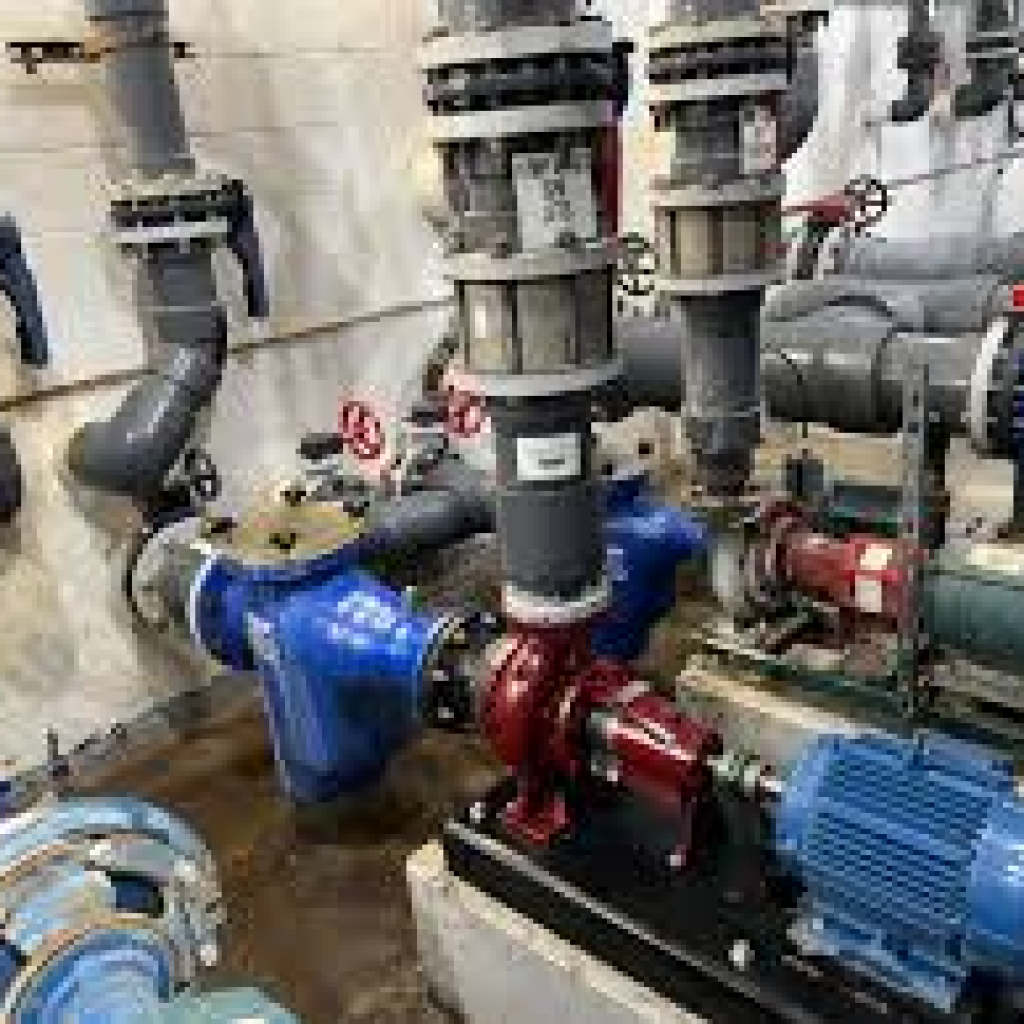
3. The Technical Workflow of Pump Installation in Singapore
A successful installation requires a structured, methodical approach. Each stage influences long-term reliability.
3.1 Initial Site Evaluation
Before choosing a pump or beginning the installation, technicians must examine the operational environment. Proper pump installation in Singapore always begins with an on-site study, which includes:
- Ambient temperature and humidity
- Space constraints and accessibility
- Foundation stability
- Pipe layout and fluid direction
- System pressure and flow requirements
- Electrical system compatibility
- Maintenance access considerations
A thorough evaluation ensures that the final pump installation in Singapore integrates seamlessly with existing systems.
3.2 Pump Selection and System Matching
The selected pump must align with the system’s hydraulic and environmental demands. Choosing the right pump depends on:
- Required flow rate and pressure
- Fluid temperature and viscosity
- Solid content or abrasive particles
- Chemical compatibility
- Operating hours and duty cycle
- Efficiency requirements
- Mechanical design and mounting style
Proper sizing plays a critical role. Oversized pumps waste energy and wear out prematurely, while undersized pumps struggle to keep up with operational demand. The accuracy of pump installation in Singapore begins with correct pump selection.
3.3 Precision Mounting and Foundation Design
Mechanical stability begins with a strong foundation. During pump installation in Singapore, the base must:
- Be level and rigid
- Reduce vibration
- Support load distribution
- Prevent movement during operation
Pump bases are typically constructed using steel frames or reinforced concrete. Once the base is prepared, the pump is mounted securely. Proper mounting reduces vibration and ensures consistent performance.
3.4 Alignment of Pump and Motor
Alignment is one of the most critical steps. A misaligned pump experiences:
- Excessive vibration
- Premature bearing wear
- Seal failures
- Elevated energy consumption
- Noise and overheating
During pump installation in Singapore, technicians use precise alignment tools to ensure accurate coupling between the pump and motor. Laser alignment equipment often provides the most precise results.
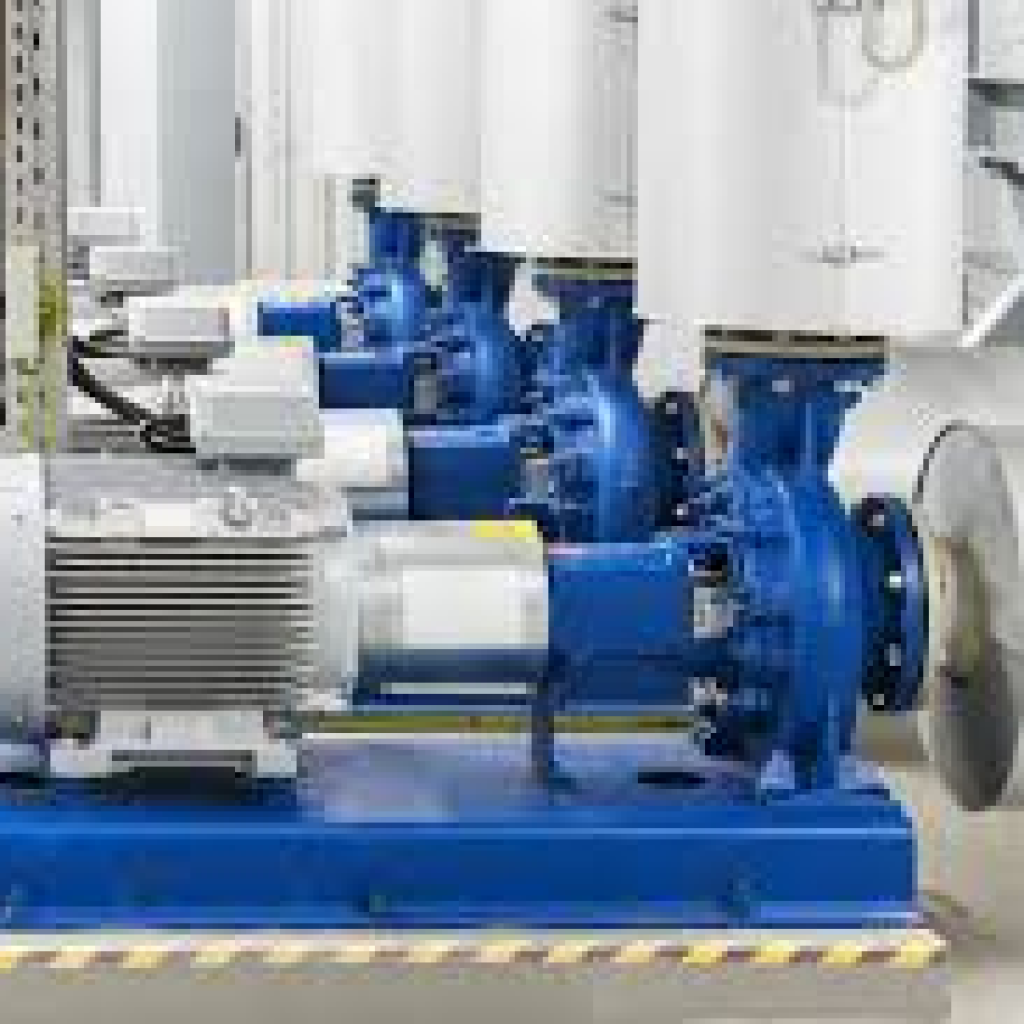
3.5 Piping Integration and Stress Elimination
Improperly installed pipes can create strain on pump casings, causing leaks or internal deformation. Proper pump installation in Singapore requires:
- Balanced pipe routing
- Use of flexible connectors
- Proper pipe anchoring
- Installation of isolation valves
- Stress-free connections
- Correctly sized pipes for hydraulic compatibility
The piping must match the pump’s flow characteristics to avoid throttling or cavitation.
3.6 Electrical Setup and Control Configuration
A pump’s performance depends on a safe and well-designed electrical setup. Technicians performing pump installation in Singapore must ensure:
- Proper motor voltage and current
- Stable wiring connections
- Overload protection
- Control panel integration
- Variable speed drive (VSD) compatibility
- Emergency shutoff systems
Correct electrical integration ensures safe and efficient pump operation.
3.7 Wet Testing and Final Commissioning
Once mechanical, hydraulic, and electrical integration is complete, the final stage begins. Commissioning includes:
- Leak testing
- Trial startup
- Flow rate verification
- Pressure testing
- Temperature measurement
- Vibration monitoring
- Load balancing
- Noise checks
Successful commissioning confirms that the pump installation in Singapore has achieved operational readiness.
4. Hydraulic Engineering Principles in Pump Installation in Singapore
Hydraulic matching is essential for efficiency, reliability, and safety.
4.1 Understanding System Head Requirements
Pump head determines the pressure a pump must overcome. During pump installation in Singapore, engineers calculate:
- Static head
- Friction losses
- Dynamic head fluctuations
- Elevation differences
A pump must be selected to operate at its best efficiency point (BEP). Operating too far away from BEP causes cavitation, vibrations, and rapid wear.
4.2 Cavitation Prevention
Cavitation occurs when vapor bubbles implode inside the pump, causing damage. Preventing this is crucial during pump installation in Singapore. Proper suction design, correct NPSH (Net Positive Suction Head), and correct pump speed selection are essential to avoid cavitation.
4.3 Fluid Behavior Under Different Conditions
Viscosity, density, temperature, and chemical composition affect pump performance. Proper pump installation in Singapore accounts for how these factors influence flow and pressure stability.
5. Environmental Challenges in Pump Installation in Singapore
Industrial environments vary widely, and Singapore’s climate adds specific challenges.
5.1 High Humidity and Corrosion
Singapore’s humidity accelerates corrosion on metallic surfaces, especially outdoor installations. Proper pump installation in Singapore incorporates corrosion-resistant materials, protective coatings, and correct ventilation.
5.2 Confined Spaces in Industrial Plants
Many facilities have narrow walkways and crowded mechanical rooms. Installing pumps in tight spaces requires specialized tools and careful planning.
5.3 Temperature Variations
Even though Singapore’s climate is stable, certain industrial fluids operate at high temperatures. These conditions require proper insulation, expansion planning, and ventilation during pump installation in Singapore.
6. Safety Protocols for Pump Installation in Singapore
Safety remains an essential factor in every installation.
6.1 Mechanical Safety
Pump components are heavy, requiring secure lifting equipment. Technicians performing pump installation in Singapore must follow strict rigging protocols.
6.2 Fluid Safety
If the system handles chemicals, hot liquids, or pressurized fluids, proper PPE and isolation procedures are necessary.
6.3 Electrical Safety
Lock-out and tag-out procedures protect workers during electrical integration.
7. Long-Term Benefits of Professional Pump Installation in Singapore
A high-quality installation provides long-lasting advantages.
7.1 Improved Energy Efficiency
A well-installed pump reduces power consumption by:
- Minimizing friction
- Reducing vibration
- Matching hydraulic requirements
- Operating at optimal efficiency
Energy savings make professional pump installation in Singapore a valuable long-term investment.
7.2 Lower Maintenance Costs
Accurate installation minimizes stress on bearings, shafts, seals, and impellers. As a result, facilities experience fewer breakdowns and reduced maintenance frequency.
7.3 Extended Pump Lifespan
Pumps last longer when mounted, aligned, and integrated properly.
7.4 Reliable Operational Continuity
Professional pump installation in Singapore ensures stable performance essential for industries that operate around the clock.
8. System Flushing and Cleanliness Prior to Pump Installation in Singapore
Contaminants such as rust, scale, and debris can destroy a pump if not removed. Flushing is essential.
8.1 Pre-Installation System Cleaning
This step removes all existing contaminants.
8.2 Post-Installation Stabilization
After the pump is installed, additional flushing stabilizes internal conditions to support long-term performance.
9. Documentation and Reporting After Pump Installation in Singapore
Accurate documentation supports maintenance planning. Installation reports often include:
- Alignment readings
- Flow and pressure data
- Vibration levels
- Commissioning logs
- Wiring diagrams
- Installation photos
Comprehensive documentation enables consistent maintenance for years.
10. Technological Tools Transforming Pump Installation in Singapore
Modern installation practices benefit from advanced technologies.
10.1 Laser Alignment Tools
These tools allow technicians to achieve perfect alignment during pump installation in Singapore, improving pump performance and reducing energy usage.
10.2 Digital Flow Meters
Used during commissioning to verify flow accuracy.
10.3 Smart Sensors and Monitoring
Sensors integrated into pumps allow real-time tracking of:
- Pressure
- Temperature
- Flow rate
- Vibration
- Running hours
Incorporating smart technology during pump installation in Singapore supports predictive maintenance.
11. Maintenance Strategies After Pump Installation in Singapore
A strong maintenance program ensures long-term efficiency.
11.1 Regular Visual Inspections
Early detection of leaks, noise, or vibration prevents major issues.
11.2 Lubrication and Seal Monitoring
Bearings and seals require consistent oversight.
11.3 Flow and Pressure Monitoring
Monitoring ensures the pump continues operating near BEP.
11.4 Vibration Analysis
Vibrations often indicate deeper mechanical issues.
12. Cost Considerations for Pump Installation in Singapore
The cost of installation varies due to factors such as:
- Pump type and size
- System complexity
- Required customization
- Environmental conditions
- Alignment and base preparation
- Piping modifications
Although costs vary, professional pump installation in Singapore reduces long-term operational spending and avoids unexpected downtime.
13. Professional Skill Requirements for Pump Installation in Singapore
Technicians must possess advanced skills in:
- Hydraulic knowledge
- Mechanical assembly
- Electrical integration
- Safety management
- Diagnostic evaluation
- Alignment and balancing
The complexity of modern systems requires expertise at every step of pump installation in Singapore.
15. Advanced Engineering Considerations in Pump Installation in Singapore
Modern industrial operations demand precision-engineered systems capable of operating continuously in demanding environments. This has increased the need for advanced engineering strategies during pump installation in Singapore. Proper installation no longer involves only mechanical assembly; it requires detailed evaluation of system behavior, structural dynamics, fluid properties, and predictive performance.
Advanced engineering ensures the pump operates at optimum efficiency while maintaining long-term mechanical integrity. For industries with high uptime requirements, such as chemical manufacturing, marine systems, and water treatment facilities, high-quality pump installation in Singapore is the foundation of operational reliability.
15.1 Structural Load Analysis
Before positioning a pump, engineers must verify that the supporting structure can handle static and dynamic loads generated during operation. Dynamic loads from rotating assemblies create vibrations and resonance patterns. A well-executed pump installation in Singapore incorporates structural load calculations to prevent foundation cracking, displacement, or excessive vibration.
Key structural factors include:
- Base rigidity
- Anchor bolt load distribution
- Vibration damping capacity
- Interaction between equipment and nearby structures
Failure to account for these factors can result in pump instability and long-term performance issues.
15.2 Thermal Expansion Planning
Piping systems expand when exposed to temperature changes. Engineers performing pumps installation in Singapore must account for expansion and contraction cycles in hot-water systems, steam condensate networks, chemical lines, and cooling circuits.
This includes:
- Installing expansion joints
- Supporting pipes to relieve stress
- Selecting materials with proper thermal tolerance
- Preventing misalignment due to temperature distortion
A thermally balanced system prevents unnecessary force from being transferred to the pump casing.
15.3 Flow Dynamics Testing
Before installation, predictive flow modeling may be used to understand how fluids behave under different operating conditions. This ensures proper pump selection and optimal pipeline design. In high-demand systems, engineers incorporate advanced flow modeling into pumps installation in Singapore to guarantee consistent system behavior.
16. The Role of Vibration Control in Pumps Installation in Singapore
Vibration is one of the most common causes of pump failure. Even minor misalignment or system imbalance can escalate into major mechanical problems.
During pump installation in Singapore, vibration control is achieved through:
- Proper alignment
- Correct foundation design
- Balanced rotating components
- Damping pads or vibration isolators
- Elimination of pipe-induced forces
Technicians assess vibration signatures using tools such as accelerometers and spectrum analyzers. This helps detect early signs of misalignment, imbalance, or hydraulic instability.
16.1 Vibration Types Addressed During Installation
Mechanical Vibration
Caused by misalignment, bearing faults, or shaft deformation.
Hydraulic Vibration
Occurs when fluid forces fluctuate due to poor suction design or improper flow rates.
Electrical Vibration
Occurs when motors receive inconsistent voltage or improper phasing.
By incorporating vibration mitigation early in pumps installation in Singapore, facilities reduce long-term maintenance costs and improve overall performance.
17. Importance of Proper Coupling Selection in Pump Installation in Singapore
Couplings transfer rotational energy from the motor to the pump. Using the wrong coupling type can cause catastrophic failure. Professional pumps installation in Singapore evaluates:
- Torque requirements
- Misalignment tolerance
- Shock absorption needs
- Thermal expansion compatibility
- Speed of rotation
Common coupling types include:
- Flexible couplings
- Rigid couplings
- Gear couplings
- Grid couplings
- Elastomeric couplings
Selecting the correct coupling supports smooth transmission of power and reduces mechanical wear.
18. Seal and Gland Engineering in Pumps Installation in Singapore
Seals prevent leakage and protect internal components. Selecting the right seal material and configuration is essential for maintaining system integrity.
During pump installation in Singapore, engineers consider:
- Temperature
- Fluid chemistry
- Abrasiveness
- Pressure fluctuations
- Shaft speed
Seal Types Commonly Used:
- Mechanical seals
- Packing glands
- Lip seals
- Cartridge seal assemblies
Proper seal installation prevents leakage, contamination, and premature seal failures.
19. Suction Line Considerations in Pumps Installation in Singapore
The suction line directly affects pump stability. Poor suction conditions lead to cavitation, vibration, and inconsistent performance.
Key suction considerations:
- Adequate pipe diameter
- Straight runs before the pump
- Avoidance of air pockets
- Low suction lift design
- Proper strainers and filters
Professionally executed pumps installation in Singapore ensures ideal suction line geometry for continuous operation.
20. Discharge Line Engineering in Pumps Installation in Singapore
Discharge piping must support stable flow, pressure control, and safe operation.
Considerations include:
- Correct pipe diameter
- Proper valve placement
- Pressure relief integration
- Pulsation dampeners when needed
- Smooth directional transitions
Correct discharge design reduces hydraulic losses and enhances pump efficiency.
21. Electrical Integration and Motor Control in Pumps Installation in Singapore
The electrical system influences energy consumption, safety, and longevity.
During electrical integration, technicians ensure:
- Proper circuit protection
- Overload relays
- Soft starters or VSD compatibility
- Accurate motor rotation direction
- Safe cable routing
Advanced systems may include smart motor controls for monitoring voltage, current, and phase balance. Comprehensive electrical integration is a core part of professional pumps installation in Singapore.
22. Performance Benchmarking After Pumps Installation in Singapore
After installation, benchmarking is conducted to ensure operational stability.
Benchmarks include:
- Flow rate verification
- Efficiency measurements
- Pressure consistency
- Energy consumption analysis
- Temperature monitoring
Benchmarking provides a baseline for future maintenance programs and confirms that the pumps installation in Singapore meets performance expectations.
23. Role of Sensors and Smart Monitoring Technologies
Digital monitoring improves pump reliability and enables predictive maintenance.
Sensors used in modern systems:
- Vibration sensors
- Temperature probes
- Flow meters
- Pressure transmitters
- Leakage detectors
Integrating these tools during pumps installation in Singapore ensures real-time operational oversight.
24. Reducing Energy Waste Through Optimized Pump Installation in Singapore
Energy efficiency is crucial for operational savings. A well-installed pump:
- Reduces hydraulic losses
- Lowers friction
- Minimizes turbulence
- Prevents system oscillation
By ensuring precise system matching and integration, pumps installation in Singapore contributes to long-term energy optimization.
25. Reliability Engineering in Pumps Installation in Singapore
Reliability engineering ensures long lifecycles and dependable operation.
Techniques include:
- Failure mode analysis
- Predictive diagnostics
- Redundancy planning
- Alignment precision
- Material selection optimization
This engineering discipline is essential for mission-critical applications involving pumps installation in Singapore.
26. Troubleshooting Common Issues After Pumps Installation in Singapore
Even properly installed pumps may experience minor issues during early operation.
Common issues include:
- Air entrainment
- Minor vibration fluctuations
- Seal bedding leaks
- Overheating during initial use
- Slightly unstable flow patterns
These issues are typically resolved through fine adjustments and system balancing, which are part of professional pumps installation in Singapore.
27. Importance of Regular Re-Alignment and System Balancing
Over time, mechanical and thermal cycles can cause slight shifts in pump alignment. Scheduled re-alignment ensures:
- Lower vibration
- Reduced bearing wear
- Improved efficiency
- Stable long-term performance
Regular system balancing complements the initial pumps installation in Singapore and maintains peak performance.
28. Environmental and Sustainability Practices in Pump Installation in Singapore
Modern facilities prioritize sustainability. Choosing eco-friendly installation practices helps:
- Reduce energy waste
- Lower emissions
- Optimize system design
- Extend component life
- Minimize fluid loss
Proper pumps installation in Singapore supports long-term environmental management and responsible resource usage.
29. Future Trends Shaping Pump Installation in Singapore
Technological innovation continues to reshape industrial pumping systems.
Future trends include:
- AI-powered diagnostics
- Predictive maintenance platforms
- Energy-optimized pump geometries
- Smart motor controllers
- Digital twinning for installation planning
- Automated alignment tools
These advancements will redefine how industries approach pumps installation in Singapore in the coming decades.
Conclusion
Pumping systems are vital to industrial reliability, operational stability, and fluid-handling performance across numerous sectors. Proper pumps installation in Singapore ensures that each pump performs at its intended efficiency, delivers consistent flow, and operates safely for years. From initial assessment and pump selection to alignment, commissioning, and long-term maintenance planning, every stage of installation influences system stability and lifespan.
A professionally executed pumps installation in Singapore not only improves energy efficiency and reduces mechanical stress but also supports the overall productivity of industrial facilities. As demand continues to grow for high-performance pumping systems, investing in accurate, reliable installation becomes essential for ensuring long-term operational success.
Contact Information:
- Website: https://flomek.com
- Email: sales@flomek.com
- Phone: +65 1234 5678
- Address: 123 Industrial Avenue, Singapore 567890
Get in touch with us today to discuss your project or request a quote. Let Flomek help you find the perfect pump solution to keep your operations flowing smoothly. Pump manufacture in yishun
Also Read – Best pump services Pump manufacture in yishun
Copyright © Flomek 2024, All Right Reserved.Designed and Developed by ❤️ Krigo Softwares


Leave A Reply