





Laser alignment pump – Singapore’s No 1 Best Pump service & supplier
Laser Alignment Pump: The Complete Guide to Precision, Reliability, and Performance
Introduction to Laser Alignment Pump Technology
In modern industrial environments, precision and efficiency are no longer optional—they are essential. Rotating machinery such as pumps, motors, compressors, and turbines must operate under optimal alignment conditions to ensure long service life and consistent performance. One of the most effective tools used today to achieve this level of accuracy is the Laser alignment pump system.
A Laser alignment pump solution is designed to precisely align pump shafts with their driving units using advanced laser measurement technology. Unlike traditional alignment methods, which rely on straightedges and dial indicators, laser-based alignment provides digital accuracy, repeatability, and faster setup times. This advancement has transformed how industries manage pump reliability and maintenance.
As industries increasingly adopt predictive and preventive maintenance strategies, the Laser alignment pump has become a cornerstone of modern mechanical alignment practices. Its ability to reduce downtime, prevent mechanical failures, and improve energy efficiency makes it a critical investment for facilities seeking long-term operational excellence.
Understanding the Fundamentals of Laser Alignment Pump Systems
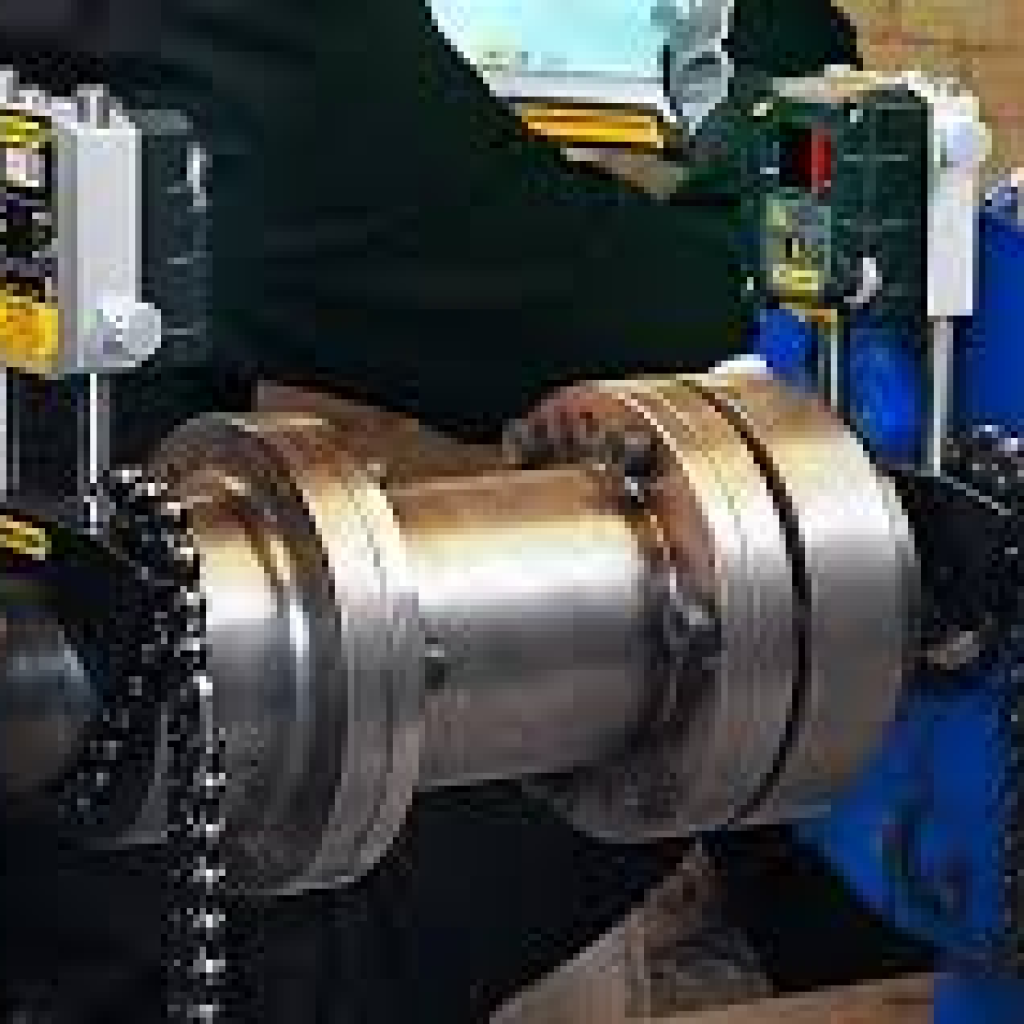
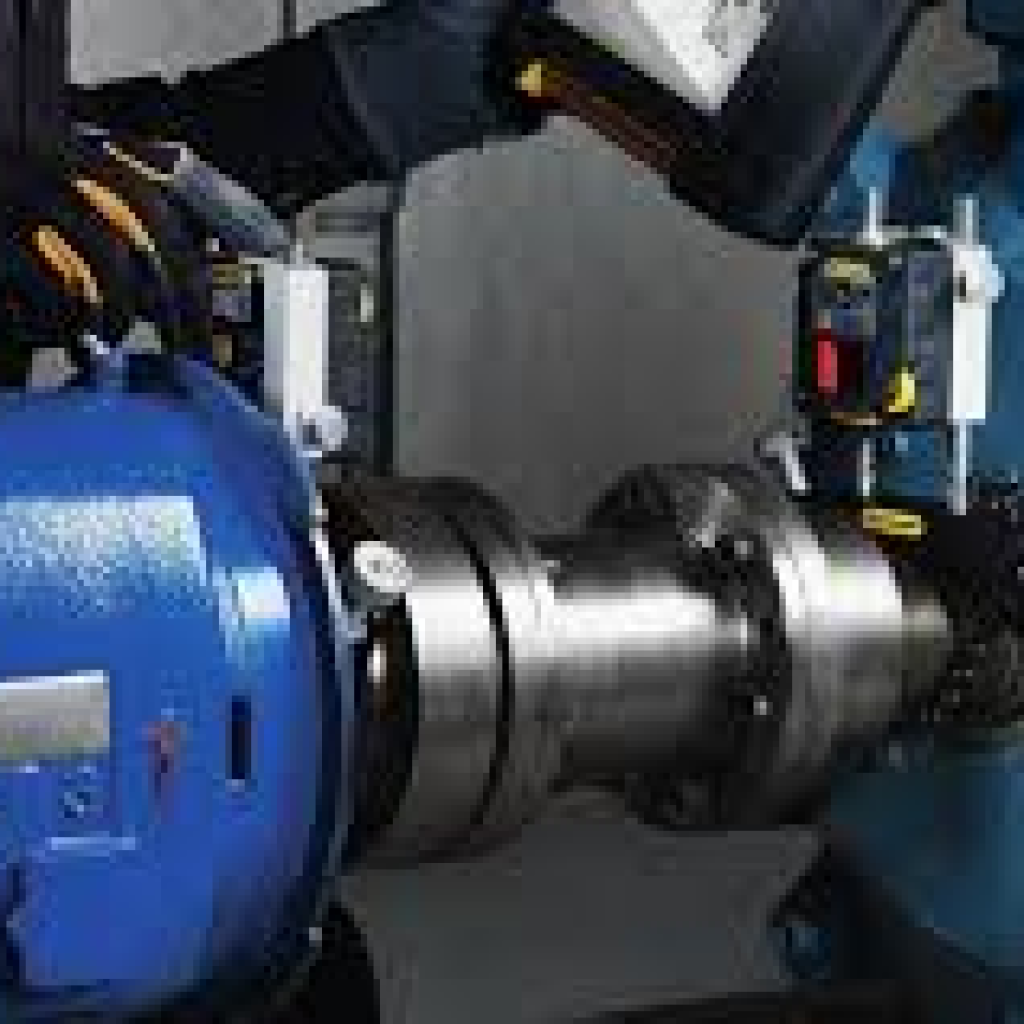
A Laser alignment pump system works by projecting laser beams between mounted sensors placed on the pump and the driver shaft. These beams measure angular and parallel misalignment with exceptional precision. The collected data is processed and displayed digitally, allowing technicians to make real-time adjustments.
Misalignment in pumps often leads to excessive vibration, seal damage, bearing failure, and increased power consumption. By implementing a Laser alignment pump, organizations can detect even minute deviations that would otherwise go unnoticed with conventional tools.
The fundamental advantage of a Laser alignment pump lies in its ability to measure alignment dynamically. This means alignment can be checked under actual operating conditions, accounting for thermal expansion and load variations—factors that are often ignored in traditional methods.
Why Laser Alignment Pump Accuracy Matters in Industrial Operations
Pump misalignment is one of the leading causes of rotating equipment failure. Even a small deviation can result in severe mechanical stress over time. A Laser alignment pump addresses this challenge by delivering unmatched measurement accuracy.
Precision alignment achieved through a Laser alignment pump significantly reduces wear on couplings, bearings, and seals. This leads to lower maintenance costs, extended equipment lifespan, and improved overall reliability. Furthermore, properly aligned pumps operate more efficiently, consuming less energy and reducing operational expenses.
Another critical benefit of using a Laser alignment pump is safety. Misaligned machinery can generate excessive heat and vibration, increasing the risk of mechanical failure. By maintaining precise alignment, organizations can create safer working environments while ensuring compliance with operational standards.
Key Components of a Laser Alignment Pump System
A typical Laser alignment pump setup includes several essential components that work together to deliver accurate results:
- Laser transmitters that emit precise beams for alignment measurement
- Sensors or detectors mounted on the pump and motor shafts
- Mounting brackets designed for secure and stable installation
- Digital display or interface for real-time measurement feedback
- Software algorithms that calculate misalignment values and correction steps
Each component plays a vital role in ensuring the Laser alignment pump system delivers consistent and repeatable results across various pump configurations.
The Laser Alignment Pump Alignment Process Explained
The alignment process using a Laser alignment pump is straightforward yet highly effective. First, the laser sensors are mounted on the pump and driver shafts. Once activated, the lasers project beams that are captured by opposing sensors.
As the shafts rotate, the Laser alignment pump system collects data on shaft position, angular deviation, and offset alignment. The digital interface then displays the precise adjustments required to achieve optimal alignment.
Technicians can make vertical and horizontal corrections while monitoring real-time feedback. This interactive process ensures that alignment is achieved efficiently, reducing labor time and minimizing the risk of human error.
Applications of Laser Alignment Pump Systems Across Industries
The versatility of a Laser alignment pump makes it suitable for a wide range of industrial applications. It is commonly used in manufacturing plants, power generation facilities, water treatment systems, oil and gas operations, and process industries.
In each of these sectors, pumps play a critical role in fluid transfer and system stability. A Laser alignment pump ensures these pumps operate smoothly under demanding conditions, reducing unexpected shutdowns and maintenance interventions.
Because of its adaptability, the Laser alignment pump can be used on horizontal, vertical, and even complex pump configurations, making it an essential tool for modern maintenance teams.

Benefits of Using a Laser Alignment Pump Over Traditional Methods
Traditional alignment methods are time-consuming and prone to inaccuracies. In contrast, a Laser alignment pump offers several clear advantages:
- Faster setup and alignment time
- Higher measurement accuracy
- Digital documentation and reporting
- Reduced dependency on technician experience
- Improved long-term equipment reliability
By switching to a Laser alignment pump, organizations can standardize their alignment procedures and achieve consistent results regardless of operator skill level.
Laser Alignment Pump and Predictive Maintenance Strategies
Predictive maintenance relies on data-driven insights to anticipate equipment failures before they occur. A Laser alignment pump fits seamlessly into this approach by providing precise alignment data that can be tracked over time.
Regular alignment checks using a Laser alignment pump help identify gradual changes in machine condition. These insights allow maintenance teams to schedule corrective actions during planned shutdowns rather than reacting to sudden failures.
When combined with vibration analysis and condition monitoring tools, the Laser alignment pump becomes a powerful asset in a comprehensive maintenance strategy.
Installation Best Practices for Laser Alignment Pump Systems
Proper installation is essential to achieve accurate results with a Laser alignment pump. Mounting brackets must be securely attached, and sensor positioning should follow recommended guidelines to prevent measurement errors.
It is important to ensure that the pump foundation is stable and free from excessive soft foot conditions. A Laser alignment pump can detect alignment issues, but underlying structural problems must be addressed for long-term success.
Following standardized installation procedures ensures that every Laser alignment pump measurement reflects true machine alignment rather than external influences.
Maintenance and Calibration of Laser Alignment Pump Equipment
To maintain accuracy, a Laser alignment pump system must be regularly inspected and calibrated. Clean optical components, properly functioning sensors, and updated software are critical for reliable performance.
Routine calibration ensures that the Laser alignment pump continues to deliver precise measurements over its operational life. Preventive care also protects the system from environmental factors such as dust, moisture, and temperature fluctuations.
A well-maintained Laser alignment pump remains a dependable tool that supports consistent alignment outcomes year after year.
Troubleshooting Common Issues with Laser Alignment Pump Systems
While highly reliable, a Laser alignment pump may occasionally encounter issues such as signal loss, mounting instability, or incorrect data readings. These challenges are typically easy to resolve with proper troubleshooting.
Ensuring secure mounting, checking battery levels, and verifying sensor alignment can quickly restore normal operation. Most issues associated with a Laser alignment pump are procedural rather than technical, reinforcing the importance of proper training.
Best Practices for Achieving Optimal Results with Laser Alignment Pump
To maximize the benefits of a Laser alignment pump, organizations should adopt best practices such as:
- Performing alignment after installation and major maintenance
- Rechecking alignment under operating temperature conditions
- Documenting alignment results for trend analysis
- Training technicians on proper usage techniques
By following these practices, the Laser alignment pump becomes a long-term solution for improving pump performance and reliability.
The Role of Laser Alignment Pump in Energy Efficiency
Energy efficiency is a major concern in modern industrial operations. Misaligned pumps consume more power due to increased friction and mechanical resistance. A Laser alignment pump directly addresses this issue by ensuring optimal shaft alignment.
When pumps are aligned correctly using a Laser alignment pump, energy losses are minimized. This not only reduces operational costs but also supports sustainability goals by lowering overall energy consumption.
Safety Advantages of Laser Alignment Pump Technology
Safety is another key benefit of implementing a Laser alignment pump. Proper alignment reduces vibration, noise, and heat generation, all of which contribute to safer operating conditions.
A Laser alignment pump also minimizes the need for repeated manual adjustments, reducing technician exposure to moving machinery. This makes alignment procedures safer and more controlled.
Advanced Engineering Principles Behind Laser Alignment Pump Systems
The engineering principles that support a Laser alignment pump system are based on precision optics, geometric measurement, and real-time data processing. Unlike mechanical tools that rely on physical contact, a Laser alignment pump uses light-based measurement, eliminating mechanical interference and reducing measurement uncertainty.
Laser beams travel in straight lines over long distances, making them ideal for detecting even the smallest angular deviations between pump and motor shafts. A Laser alignment pump leverages this property to measure offset and angular misalignment with extremely tight tolerances. This level of accuracy is essential in high-speed and high-load pump applications.
Another key principle of a Laser alignment pump is repeatability. Because laser measurements are digitally processed, results can be repeated and verified multiple times with consistent accuracy. This consistency is critical in quality-driven maintenance environments where alignment standards must be met precisely.
Laser Alignment Pump and Shaft Alignment Complexity
Pump systems are rarely simple. Many installations involve baseplate distortion, pipe strain, thermal growth, and dynamic load changes. A Laser alignments pump is specifically designed to manage this complexity.
Thermal expansion is one of the most overlooked alignment challenges. When pumps reach operating temperature, shaft positions shift. A Laser alignments pump allows alignment targets to be set based on predicted thermal growth, ensuring correct alignment during actual operation rather than at ambient conditions.
Pipe strain can also distort pump alignment. A Laser alignments pump helps detect these distortions by measuring alignment changes before and after piping is connected. This ensures that alignment errors caused by external forces are identified and corrected early.
Horizontal and Vertical Pump Alignment Using Laser Alignments Pump
A Laser alignments pump system is highly adaptable and can be used for both horizontal and vertical pump configurations. Horizontal pump alignment is the most common application and benefits significantly from laser-based accuracy.
Vertical pumps present unique challenges due to gravity effects, limited access, and shaft length. A Laser alignments pump simplifies vertical alignment by providing clear digital references that eliminate guesswork. This improves alignment quality even in confined or elevated installations.
The ability of a Laser alignments pump to handle multiple pump orientations makes it an essential tool for facilities with diverse equipment layouts.
Laser Alignments Pump in High-Speed Pump Applications
High-speed pumps are particularly sensitive to misalignment. Even minor errors can lead to excessive vibration and premature component failure. A Laser alignments pump provides the precision required to align these pumps within acceptable tolerance limits.
At high rotational speeds, centrifugal forces amplify alignment errors. A Laser alignments pump detects these errors early, preventing damage to bearings and couplings. This is especially important in continuous-process environments where downtime is costly.
By using a Laser alignments pump, maintenance teams can ensure that high-speed pumps operate smoothly, efficiently, and reliably over extended periods.
Reducing Mechanical Stress with Laser Alignments Pump Technology
Mechanical stress is a silent contributor to equipment failure. Misaligned shafts create uneven load distribution across bearings and seals. A Laser alignments pump directly addresses this issue by ensuring proper load balance.
When alignment is corrected using a Laser alignments pump, mechanical stress is reduced across the entire drive train. This leads to smoother operation, lower vibration levels, and reduced noise. Over time, this stress reduction translates into fewer failures and lower maintenance costs.
The long-term reliability benefits of a Laser alignments pump make it a strategic investment rather than just a maintenance tool.
Laser Alignments Pump and Bearing Life Extension
Bearings are among the most expensive and failure-prone components in pump systems. Misalignment is a leading cause of bearing degradation. A Laser alignments pump significantly extends bearing life by ensuring precise shaft positioning.
Proper alignment achieved with a Laser alignments pump minimizes axial and radial loads on bearings. This reduces friction, heat generation, and lubricant breakdown. As a result, bearings operate under optimal conditions for longer durations.
Facilities that implement routine alignment checks using a Laser alignments pump often experience measurable improvements in bearing reliability and maintenance intervals.
Coupling Performance Optimization with Laser Alignments Pump
Couplings are designed to accommodate small amounts of misalignment, but excessive deviation leads to rapid wear. A Laser alignments pump ensures couplings operate within their design limits.
By aligning shafts accurately, a Laser alignments pump reduces coupling stress, prevents elastomer degradation, and minimizes backlash. This improves torque transmission efficiency and reduces the likelihood of coupling failure.
Optimized coupling performance is another key advantage of consistent Laser alignments pump usage.
Laser Alignments Pump and Vibration Reduction
Vibration is a common symptom of misalignment. Excessive vibration accelerates wear, loosens fasteners, and compromises structural integrity. A Laser alignments pump plays a critical role in vibration reduction.
By correcting misalignment at its source, a Laser alignments pump lowers vibration amplitudes across the pump system. This creates a more stable operating environment and reduces secondary damage to adjacent equipment.
Lower vibration levels also improve operator comfort and reduce noise pollution in industrial settings.
Digital Documentation and Traceability with Laser Alignments Pump
Modern maintenance strategies emphasize traceability and data-driven decision-making. A Laser alignments pump supports this approach by generating digital alignment records.
These records can be stored and reviewed to track alignment history, identify recurring issues, and validate maintenance work. The ability of a Laser alignments pump to provide measurable, documented results enhances accountability and process control.
Digital documentation also supports compliance with internal maintenance standards and external audit requirements.
Laser Alignment Pump in Commissioning and Installation Phases
Alignment accuracy during installation has a lasting impact on equipment performance. A Laser alignments pump is invaluable during commissioning because it ensures pumps start their service life in optimal condition.
During installation, foundation settling and baseplate distortion can introduce alignment errors. A Laser alignments pump detects these issues early, allowing corrective action before the pump enters operation.
Using a Laser alignments pump during commissioning reduces early-life failures and improves long-term reliability.
Environmental Conditions and Laser Alignments Pump Reliability
Industrial environments can be harsh, with dust, moisture, and temperature extremes. A Laser alignments pump is designed to maintain accuracy even under challenging conditions.
Advanced optical systems and robust housings protect the laser components, ensuring reliable measurements. This durability allows a Laser alignments pump to be used consistently across various industrial settings.
Reliable performance under real-world conditions makes the Laser alignments pump a dependable tool for daily maintenance operations.
Laser Alignment Pump as a Standard Maintenance Tool
As maintenance practices evolve, the Laser alignments pump is becoming a standard tool rather than a specialized option. Its ease of use and high accuracy make it accessible to maintenance teams at all skill levels.
Standardizing alignment procedures around a Laser alignments pump improves consistency, reduces errors, and enhances overall maintenance quality. This standardization supports operational excellence across facilities.
Economic Impact of Laser Alignment Pump Implementation
The financial benefits of using a Laser alignments pump extend beyond reduced maintenance costs. Improved efficiency, lower energy consumption, and extended equipment life contribute to significant long-term savings.
By preventing unplanned downtime, a Laser alignments pump protects production output and revenue. These economic advantages make laser alignment a cost-effective strategy rather than an expense.
Long-Term Asset Protection with Laser Alignment Pump
Pumps are critical assets in industrial systems. Protecting these assets requires proactive maintenance practices. A Laser alignments pump supports asset protection by preventing avoidable mechanical damage.
Consistent use of a Laser alignments pump preserves equipment condition, stabilizes performance, and supports strategic asset management goals.
Final Reinforcement: Importance of Laser Alignment Pump Technology
The Laser alignments pump represents a major advancement in pump maintenance and reliability engineering. Its precision, efficiency, and adaptability make it an essential solution for modern industrial operations.
Organizations that integrate Laser alignment pump technology into their maintenance programs gain a competitive advantage through improved reliability, reduced costs, and enhanced operational control.
Training and Skill Development with Laser Alignment Pump Systems
Although a Laser alignment pump simplifies the alignment process, proper training ensures optimal results. Technicians trained in laser alignment principles can interpret data accurately and apply corrective actions efficiently.
Training programs focused on Laser alignment pump usage empower maintenance teams to perform precision alignment with confidence and consistency.
Future Trends in Laser Alignment Pump Technology
As digital transformation continues, the Laser alignment pump is evolving with enhanced software integration, wireless connectivity, and advanced analytics. These innovations are making alignment faster, smarter, and more accessible.
Future developments will further solidify the Laser alignment pump as an essential tool for predictive maintenance and smart manufacturing environments.
Conclusion: Why Laser Alignment Pump Is Essential for Modern Industry
In today’s competitive industrial landscape, precision and reliability define success. The Laser alignment pump offers a proven solution for achieving optimal pump alignment, reducing maintenance costs, and enhancing operational efficiency.
By adopting a Laser alignment pump, organizations can protect critical assets, improve safety, and support long-term performance goals. Its accuracy, speed, and adaptability make it an indispensable tool for any facility that relies on rotating equipment.
Contact Information:
- Website: https://flomek.com
- Email: sales@flomek.com
- Phone: +65 1234 5678
- Address: 123 Industrial Avenue, Singapore 567890
Get in touch with us today to discuss your project or request a quote. Let Flomek help you find the perfect pump solution to keep your operations flowing smoothly. Pump manufacture in yishun
Also Read – Best pump services Pump manufacture in yishun
Copyright © Flomek 2024, All Right Reserved.Designed and Developed by ❤️ Krigo Softwares


Leave A Reply