





Industrial pump repair Singapore – Singapore’s No 1 Best Pump service & supplier
Industrial pump repair Singapore – Reliable Engineering Solutions for Long-Term Performance
Water pump systems are critical assets in residential, commercial, and industrial environments. When a pump fails or operates inefficiently, it can disrupt operations, affect safety, and increase operational costs. Professional Industrial pump repair Singapore is essential to restore performance, protect equipment, and ensure uninterrupted service.
At Flomek, we specialize in delivering high-quality Industrial pump repair Singapore, supported by strong engineering knowledge, structured repair methodologies, and a commitment to long-term reliability. Our repair solutions are designed to address both immediate failures and underlying performance issues.
Understanding Water Pump Systems
Water pumps are used to transfer, circulate, and regulate water across various applications. These systems operate under continuous stress, varying loads, and different environmental conditions. Over time, wear and operational strain can lead to performance degradation, leaks, vibration, or complete failure.
Professional Industrial pump repair Singapore ensures that these systems continue to function efficiently while minimizing downtime and avoiding premature replacement.
Importance of Timely Water Pump Repair
Delaying repairs can lead to secondary damage, higher energy consumption, and unexpected breakdowns. Timely Industrial pump repair Singapore helps:
- Restore optimal performance
- Prevent further mechanical damage
- Reduce operating costs
- Extend equipment lifespan
- Maintain system reliability
Flomek delivers dependable Industrial pump repair Singapore solutions that focus on both corrective action and preventive improvement.
Why Choose Flomek for Industrial pump repair Singapore
Choosing the right service provider is crucial for system reliability. Flomek offers professional Industrial pump repair Singapore with the following strengths:
- Skilled and experienced technical team
- Structured repair and testing procedures
- Engineering-driven diagnostics
- Focus on performance restoration
- Commitment to long-term reliability
Every Industrial pump repair Singapore project is handled with precision and accountability.
Types of Water Pumps We Repair
Centrifugal Water Pumps
Centrifugal pumps are widely used across industries. Our Industrial pump repair Singapore addresses hydraulic inefficiencies, seal failures, and bearing wear.
Vertical and Horizontal Pumps
Alignment, vibration, and mechanical integrity are key concerns. Through professional Industrial pump repair Singaporee, these issues are resolved efficiently.
High-Pressure Water Pumps
High-pressure systems require precise repair methods. Our Industrial pump repair Singapore ensures safe and stable operation under demanding conditions.
Process and Utility Pumps
For industrial utilities, our Industrial pump repair Singapore supports consistent operation and reduced downtime.
Comprehensive Water Pump Repair Process
Flomek follows a systematic approach to Industrial pump repair Singapore, ensuring accuracy and reliability at every stage.
Initial Inspection and Diagnosis
- Visual and mechanical inspection
- Performance assessment
- Identification of failure causes
Disassembly and Component Evaluation
- Inspection of impellers, shafts, bearings, and seals
- Assessment of wear and damage
Repair and Restoration
- Precision repair of worn components
- Replacement of damaged parts where required
Reassembly and Testing
- Alignment and balancing
- Operational testing under load
Each step in our Industrial pump repair Singapore process is carefully documented and verified.
Common Issues Addressed During Repair
Our Industrial pump repair Singapore services resolve a wide range of operational issues, including:
- Reduced flow or pressure
- Abnormal noise or vibration
- Seal leakage
- Overheating motors
- Bearing failure
- Hydraulic inefficiency
Addressing these issues early improves reliability and prevents future failures.
Preventive Approach to Water Pump Repair
While repairs address existing issues, preventive strategies help avoid recurrence. Our Industrial pump repair Singapore includes recommendations for:
- Maintenance scheduling
- Operating condition improvements
- Component monitoring
This proactive approach enhances system stability and reduces lifecycle costs.
Energy Efficiency and Performance Recovery
Inefficient pumps consume more energy and deliver poor output. Through professional Industrial pump repair Singapore, hydraulic efficiency is restored, resulting in:
- Lower energy consumption
- Improved pressure stability
- Reduced mechanical stress
Performance recovery is a key objective of every Industrial pump repair Singapore project.
Industrial Applications of Water Pump Repair
Industrial operations depend on continuous water availability. Our Industrial pump repair Singapore supports:
- Manufacturing facilities
- Process utilities
- Cooling water systems
- Wash and transfer systems
We understand the critical nature of industrial operations and deliver Industrial pump repair Singapore solutions that minimize downtime.
Commercial and Building Applications
In commercial buildings, water pump reliability affects occupant comfort and safety. Our Industrial pump repair Singapore supports:
- High-rise buildings
- Commercial complexes
- Office towers
- Mixed-use developments
Each Industrial pump repair Singapore solution is tailored to the building’s operating profile.
Troubleshooting and Root Cause Analysis
Effective troubleshooting is essential for lasting repair outcomes. Our Industrial pump repair Singaporeincludes:
- Root cause identification
- Operational data analysis
- Mechanical and hydraulic evaluation
This ensures that repairs address the true cause of failure, not just symptoms.
Quality and Safety Standards
All Industrial pump repair Singapore activities are performed with strict attention to safety and quality. Our team follows:
- Safe work practices
- Equipment protection procedures
- Performance verification protocols
Quality assurance is embedded in every Industrial pump repair Singapore service.
Customized Repair Solutions
Every pump system operates under unique conditions. Flomek offers customized Industrial pump repair Singapore solutions based on:
- System size and capacity
- Operating hours
- Environmental conditions
- Application requirements
Customization ensures effective and long-lasting repair outcomes.
Lifecycle Extension Through Repair
Well-executed repairs significantly extend pump life. Our Industrial pump repair Singapore focuses on:
- Restoring original performance
- Preventing repeat failures
- Improving operational stability
This approach reduces capital expenditure on premature replacements.
Documentation and Reporting
Proper documentation supports maintenance planning and compliance. Our Industrial pump repair Singapore includes:
- Service reports
- Repair summaries
- Performance observations
Clear records help clients manage assets effectively.
Long-Term Service Partnership
Flomek emphasizes long-term collaboration. Our Industrial pump repair Singapore services help clients:
- Improve system reliability
- Reduce downtime
- Optimize maintenance costs
We aim to be a trusted technical partner, not just a repair provider.
Advanced Diagnostic Techniques
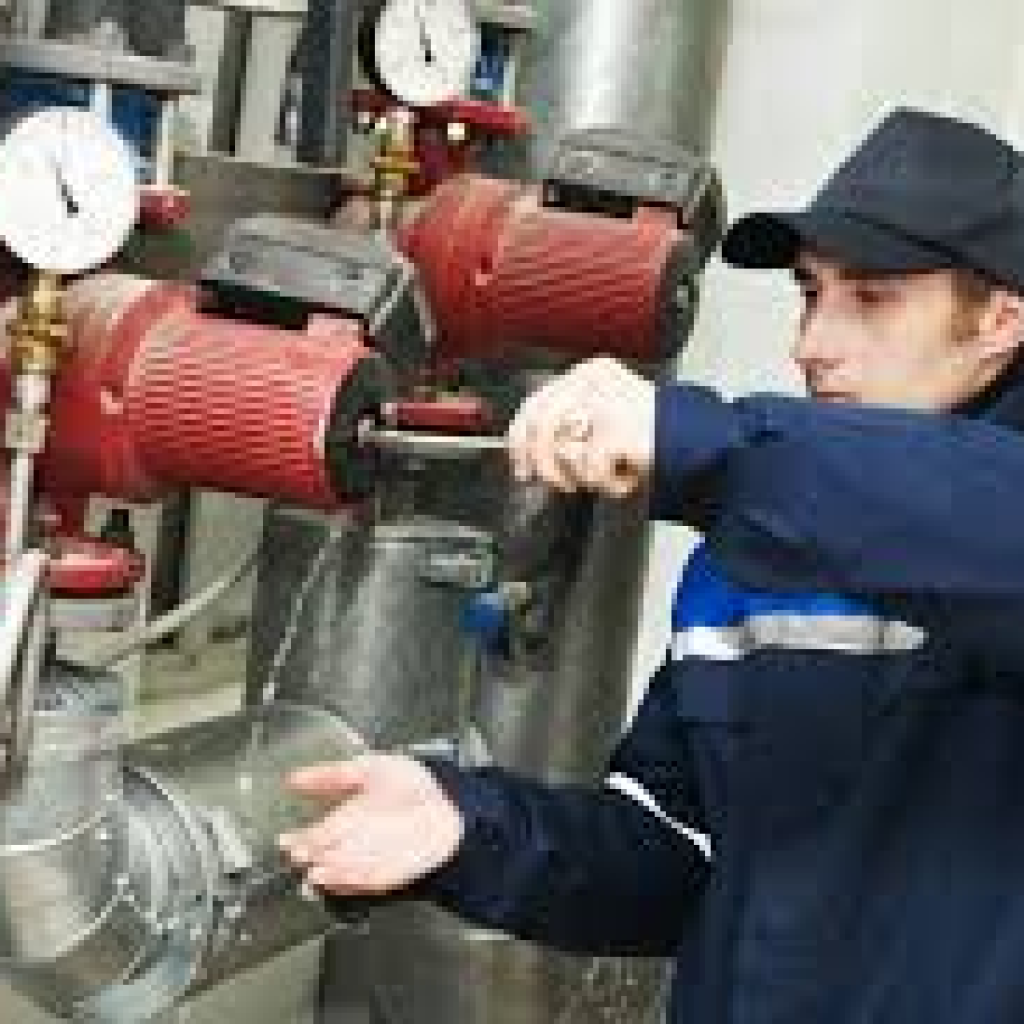
Accurate diagnostics form the foundation of effective repair and maintenance work. Advanced diagnostic techniques allow technicians to evaluate internal conditions without causing further disruption. By analyzing operational behavior, sound patterns, temperature variation, and pressure response, potential issues can be identified at an early stage.
These techniques help reduce unnecessary dismantling and allow targeted corrective action. Early detection improves system reliability and lowers the risk of major failure.
Hydraulic Performance Restoration
Over time, internal wear can reduce hydraulic efficiency. Erosion, scaling, or imbalance within rotating components often leads to reduced output and unstable operation. Restoring hydraulic performance requires careful inspection and precise correction.
Rebalancing internal components and correcting flow paths helps recover efficiency and ensures consistent output under varying load conditions.
Mechanical Alignment and Stability
Proper alignment plays a crucial role in minimizing vibration and wear. Misalignment can cause excessive stress on bearings, shafts, and couplings, leading to premature failure.
Ensuring accurate alignment improves stability, reduces noise, and enhances overall operational life. Stable mechanical conditions support smoother performance and lower maintenance requirements.
Seal Integrity and Leakage Prevention
Seals are essential for preventing leakage and maintaining pressure. Worn or damaged seals can lead to water loss, contamination, and increased operating costs.
Inspecting seal surfaces and maintaining correct installation conditions helps ensure long-term sealing effectiveness. Proper sealing contributes to system cleanliness and dependable operation.
Bearing Condition and Load Management
Bearings support rotating components and absorb operational loads. Inadequate lubrication, contamination, or overload can significantly shorten bearing life.
Monitoring bearing condition and ensuring proper load distribution helps prevent sudden failures. Healthy bearings contribute to efficient rotation and reduced energy loss.
Electrical Drive Reliability
Electric drives must operate within design limits to ensure consistent mechanical output. Irregular voltage, unstable connections, or worn components can cause overheating or intermittent operation.
Regular evaluation of electrical elements improves reliability and protects both mechanical and electrical assets from damage.
Control Response and System Balance
Control mechanisms regulate system behavior under changing demand. Slow response or inaccurate feedback can result in pressure instability and excessive cycling.
Ensuring accurate sensor feedback and responsive control logic supports smooth transitions and balanced operation across all usage conditions.
Operational Noise Reduction
Unusual noise often signals internal inefficiencies or mechanical stress. Addressing noise issues improves working conditions and helps prevent escalation into more serious faults.
Quiet operation is typically a sign of well-balanced and properly maintained equipment.
Operational Readiness and System Resilience
Operational readiness ensures that equipment performs reliably under normal and unexpected conditions. Systems that are regularly evaluated for readiness are better prepared to handle sudden demand changes or extended operating hours. This resilience reduces the risk of service interruptions and enhances overall system confidence.
By maintaining readiness, facilities can avoid emergency situations and ensure consistent performance throughout the year.
Performance Degradation Indicators
Subtle changes in operation often signal underlying issues. Gradual pressure reduction, increased energy consumption, or longer startup times may indicate internal wear or control imbalance.
Recognizing these indicators early allows corrective action before major damage occurs, supporting long-term operational stability.
Flow Path Integrity and Internal Cleanliness
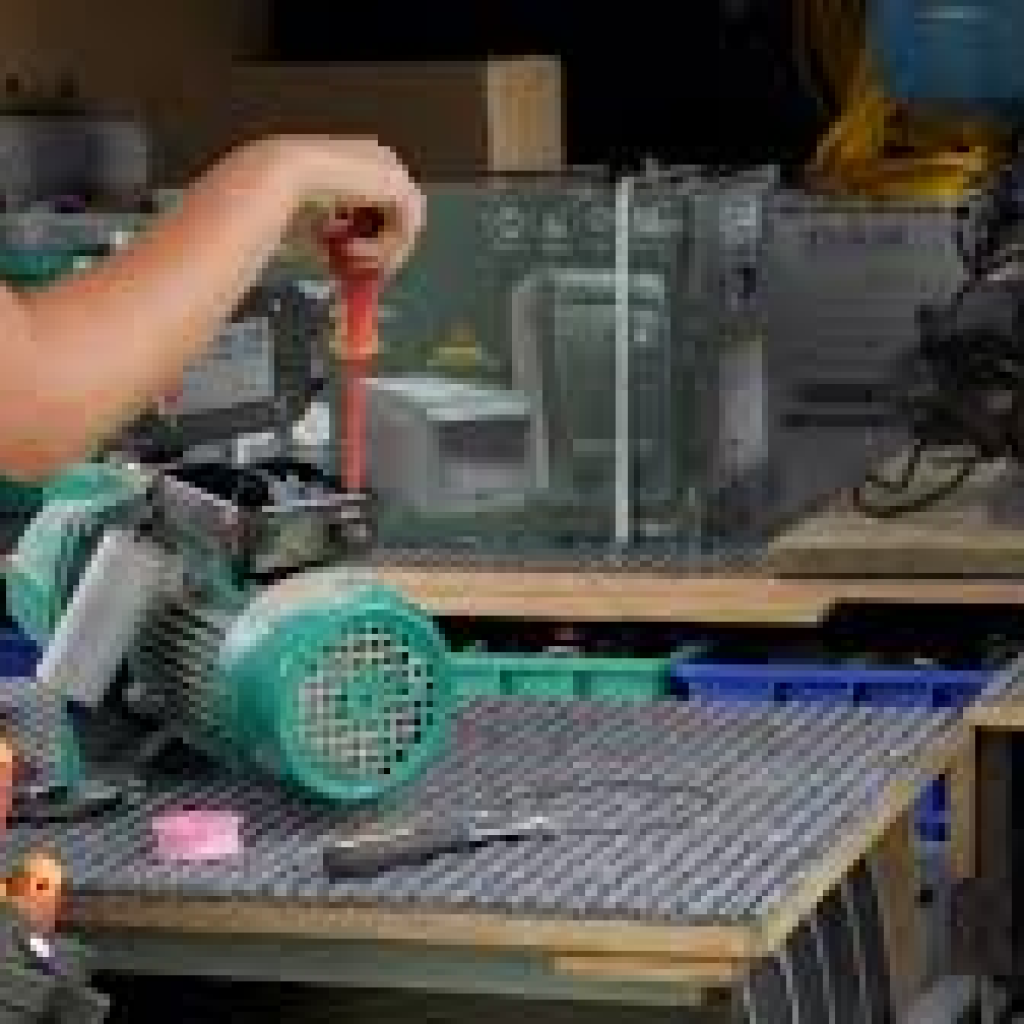
Clean and unobstructed flow paths are essential for efficient operation. Deposits, debris, or internal corrosion can disrupt flow patterns and reduce effectiveness.
Regular inspection and cleaning help maintain internal integrity and protect sensitive components from premature wear.
Start-Up and Shutdown Stability
Frequent start-up and shutdown cycles place additional stress on mechanical and electrical components. Controlled procedures help minimize shock loads and reduce fatigue.
Stable transitions during operation changes contribute to longer equipment life and smoother performance.
Pressure Surge Prevention
Sudden pressure changes can damage piping networks and internal components. Managing surge conditions helps protect infrastructure and maintain safe operating limits.
Proper system tuning reduces the likelihood of surge-related issues and enhances overall reliability.
Motor Load Optimization
Optimized motor loading ensures efficient energy usage and prevents overheating. Excessive or uneven loads can shorten motor life and increase maintenance requirements.
Monitoring load conditions helps maintain balance and supports reliable operation.
Coupling and Drive Train Health
The drive train transmits power from the motor to rotating components. Wear or misalignment within this system can lead to vibration and efficiency loss.
Maintaining coupling integrity supports smooth power transmission and reduces mechanical stress.
Thermal Management and Heat Dissipation
Heat buildup is a common contributor to mechanical failure. Effective thermal management helps protect bearings, seals, and electrical components.
Ensuring proper ventilation and cooling improves performance and extends component life.
Adaptation to Variable Demand
Operational demand often fluctuates due to usage patterns or system expansion. Equipment must adapt without sacrificing stability or efficiency.
Periodic evaluation ensures that systems remain capable of meeting changing requirements.
Risk Reduction Through Preventive Planning
Identifying potential failure points allows preventive measures to be implemented proactively. This reduces operational risk and enhances system dependability.
Preventive planning helps avoid unexpected outages and supports smoother operations.
System Integration and Compatibility
Compatibility between mechanical, electrical, and control components is essential for reliable operation. Mismatched components can lead to inefficiencies and frequent issues.
Ensuring proper integration supports stable and predictable performance.
Service Accessibility and Maintenance Ease
Design considerations that allow easy access to components simplify maintenance activities. Improved accessibility reduces service time and minimizes disruption.
Ease of maintenance supports consistent upkeep and faster response when intervention is required.
Lifecycle Cost Awareness
Operational decisions impact long-term costs. Balancing repair, maintenance, and replacement strategies helps manage total lifecycle expenditure.
Informed decisions support cost-effective operation and asset preservation.
Reliability-Focused Mindset
A reliability-focused approach prioritizes consistent performance and risk reduction. This mindset emphasizes proactive care rather than reactive fixes.
Reliability-driven practices result in improved uptime and operational confidence.
Continuous Performance Evaluation
Regular evaluation ensures systems continue to meet performance expectations. Ongoing assessment supports early detection of inefficiencies and guides improvement initiatives.
Continuous evaluation contributes to sustained reliability and efficiency.
Environmental Impact Considerations
Operating conditions such as temperature, water quality, and surrounding environment influence equipment durability. Exposure to corrosive elements or extreme conditions may accelerate wear.
Adapting maintenance strategies to environmental factors helps protect components and maintain reliable performance.
Equipment Condition Assessment
Regular condition assessment helps determine the actual health of mechanical systems. This process involves evaluating operational behavior, component wear, and efficiency trends. Accurate assessment supports informed decisions regarding maintenance priorities and future improvements.
Understanding equipment condition allows facilities to avoid unnecessary interventions while addressing genuine risks in a timely manner.
Wear Pattern Analysis
Wear patterns provide valuable insight into operating conditions. Uneven wear may indicate misalignment, imbalance, or improper loading. Identifying these patterns helps pinpoint underlying causes rather than addressing surface-level symptoms.
Analyzing wear trends supports targeted corrective action and reduces the likelihood of recurring issues.
Internal Clearance Management
Correct internal clearances are essential for efficient operation. Excessive or insufficient clearances can reduce performance, increase vibration, and accelerate component wear.
Maintaining proper tolerances ensures smooth operation and protects critical internal components from damage.
Structural Support and Foundation Stability
Stable foundations and mounting structures play a crucial role in system reliability. Weak or uneven support can transmit vibration and stress throughout the system.
Ensuring structural stability improves alignment, reduces noise, and enhances long-term operational performance.
Water Quality Impact on Equipment
Water quality directly affects component life. Sediments, minerals, and chemical properties can contribute to scaling, corrosion, or erosion.
Evaluating water quality helps determine appropriate maintenance strategies and protects internal surfaces from premature deterioration.
Efficiency Recovery Techniques
Efficiency loss often occurs gradually and may go unnoticed. Applying recovery techniques such as recalibration, balancing, and internal adjustment helps restore original performance levels.
Recovered efficiency results in smoother operation and reduced operational strain.
Electrical Protection Measures
Protective devices safeguard electrical components against overloads, voltage fluctuation, and short circuits. Proper protection minimizes the risk of sudden failure and extends equipment lifespan.
Ensuring correct protection settings enhances safety and operational reliability.
Operational Training and Awareness
Well-informed operators play a key role in maintaining equipment health. Understanding normal operating behavior helps identify early warning signs of potential issues.
Operational awareness supports timely reporting and prevents minor issues from escalating.
Downtime Reduction Strategies
Reducing downtime requires a combination of preparedness, efficient response, and preventive planning. Quick access to service information and spare components helps minimize interruption duration.
Effective downtime management supports productivity and operational continuity.
Spare Parts Management
Proper spare parts planning ensures that critical components are available when needed. This reduces delays and supports faster restoration of normal operation.
Strategic parts management improves responsiveness and reduces overall maintenance impact.
System Aging and Upgrade Planning
As systems age, performance expectations and operational demands may change. Periodic evaluation helps determine whether upgrades or modifications are beneficial.
Planned upgrades allow systems to remain effective and aligned with current requirements.
Load Variation Handling
Operational loads often fluctuate throughout the day or across seasons. Equipment must handle these variations without instability or excessive stress.
Monitoring load response helps ensure smooth adaptation to changing conditions.
Maintenance Scheduling Optimization
Optimized maintenance schedules balance operational needs with equipment care. Proper timing reduces disruption while maintaining system health.
Effective scheduling supports consistent performance and predictable maintenance outcomes.
Data-Driven Maintenance Decisions
Using operational data to guide maintenance decisions improves accuracy and efficiency. Trends and historical records provide insight into system behavior over time.
Data-driven approaches support smarter planning and long-term reliability.
Commitment to Service Excellence
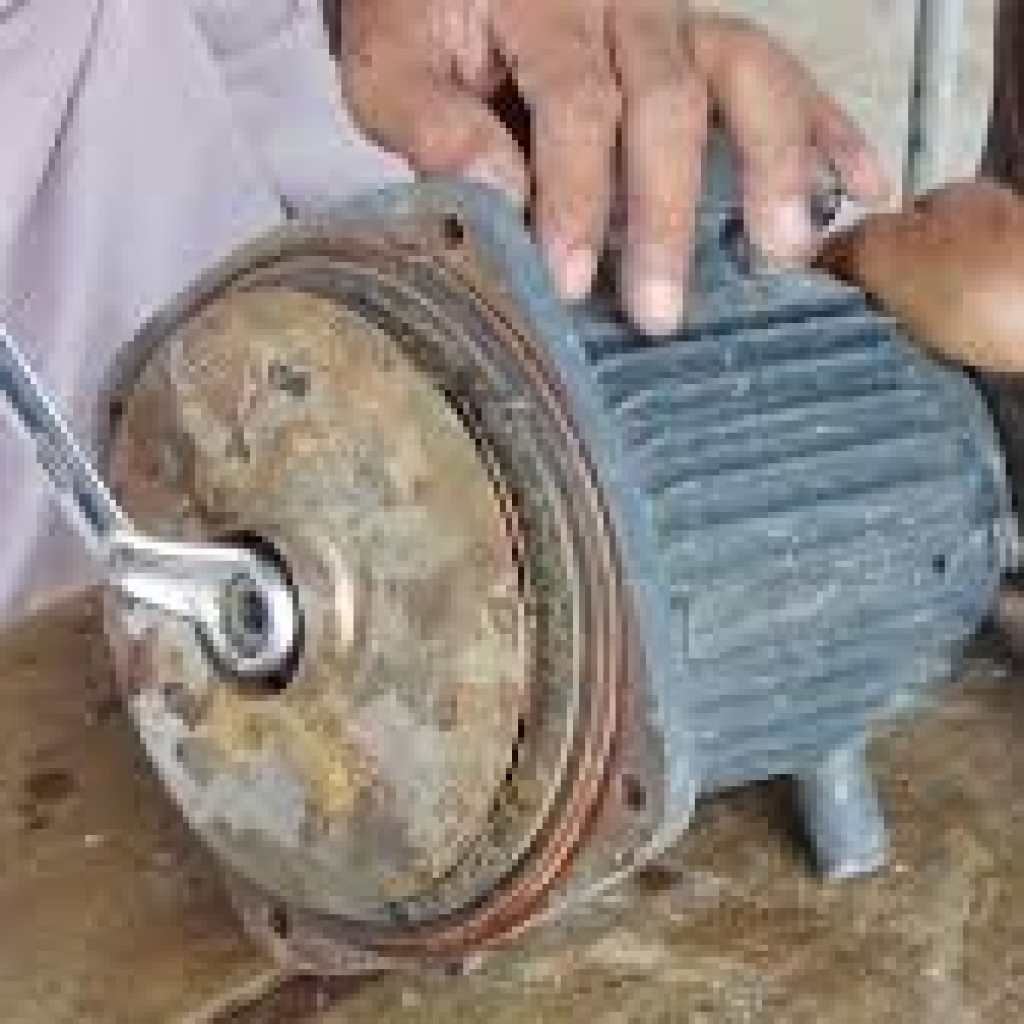
High-quality service is defined by consistency, attention to detail, and technical competence. A disciplined service approach ensures reliable outcomes and customer confidence.
Service excellence supports strong long-term relationships and dependable system performance.
Asset Protection and Longevity
Protecting valuable equipment assets requires consistent attention and informed decision-making. Preventive actions and timely interventions help preserve functionality and avoid costly replacements.
Well-maintained systems offer predictable performance and improved return on investment.
Operational Continuity Planning
Unexpected interruptions can disrupt operations and increase costs. Planning for continuity involves assessing risk factors and ensuring systems are prepared to handle peak demand and emergency situations.
Reliable equipment performance supports uninterrupted service and operational confidence.
Performance Benchmarking
Comparing current performance against expected standards helps identify degradation trends. Benchmarking provides a reference point for evaluating efficiency and guiding improvement efforts.
This process supports informed maintenance planning and long-term optimization.
Documentation and Knowledge Transfer
Accurate records support future maintenance and operational decision-making. Clear documentation helps technicians understand historical issues and avoid repeated problems.
Effective knowledge transfer ensures consistency and supports continuous improvement.
Continuous System Improvement
System performance should evolve with operational needs. Regular review and incremental improvement help maintain alignment with current requirements.
A focus on improvement ensures reliable operation, reduced risk, and long-term value.
Testimonials
“Flomek provided excellent water pump repair in Singapore. The system performance was fully restored and has been stable since.”
“Professional team with strong technical expertise. Their water pump repair in Singapore minimized our downtime.”
“Reliable service and clear communication. We trust Flomek for ongoing water pump repair in Singapore.”
Frequently Asked Questions (FAQs)
What does water pump repair in Singapore include?
It includes inspection, diagnosis, component repair or replacement, reassembly, and performance testing.
How do I know when repair is required?
Signs include pressure loss, noise, vibration, leaks, or increased energy usage. Professional water pump repair in Singapore helps address these issues.
Can repair improve efficiency?
Yes, effective water pump repair in Singapore restores hydraulic efficiency and reduces energy consumption.
Do you support industrial systems?
Yes, Flomek provides water pump repair in Singapore for both industrial and commercial applications.
Why choose Flomek?
Flomek combines engineering expertise, structured repair processes, and reliable water pump repair in Singapore services.
Conclusion
Reliable pump performance is essential for uninterrupted operations. With engineering-focused methodologies and a commitment to quality, Flomek delivers trusted water pump repair in Singapore solutions for industrial, commercial, and building applications.
When reliability, performance, and long-term value matter, Flomek
Contact Information:
- Website: https://flomek.com
- Email: sales@flomek.com
- Phone: +65 1234 5678
- Address: 123 Industrial Avenue, Singapore 567890
Get in touch with us today to discuss your project or request a quote. Let Flomek help you find the perfect pump solution to keep your operations flowing smoothly. Pump manufacture in yishun
Also Read – Best pump services Pump manufacture in yishun
Copyright © Flomek 2024, All Right Reserved.Designed and Developed by ❤️ Krigo Softwares


Leave A Reply