





Chemical dosing in water treatment – Singapore’s No 1 Best Pump service & supplier
Top Chemical dosing in water treatment – Reliable Precision by Industry Experts
Introduction: The Need for a Trusted Chemical Dosing Skid Supplier in Singapore
In today’s industrial landscape, accurate and safe chemical handling is critical. From water treatment plants to manufacturing and petrochemical operations, the demand for precision-engineered chemical dosing systems continues to rise. Choosing the right Chemical dosing in water treatment ensures not only compliance with regulatory standards but also operational safety, efficiency, and cost-effectiveness.
As industries evolve, the need for turnkey and custom-engineered chemical dosing skids has intensified. A reputable Chemical dosing in water treatment delivers not just products, but integrated dosing solutions that ensure accurate chemical injection, automation, and ease of maintenance for long-term performance.
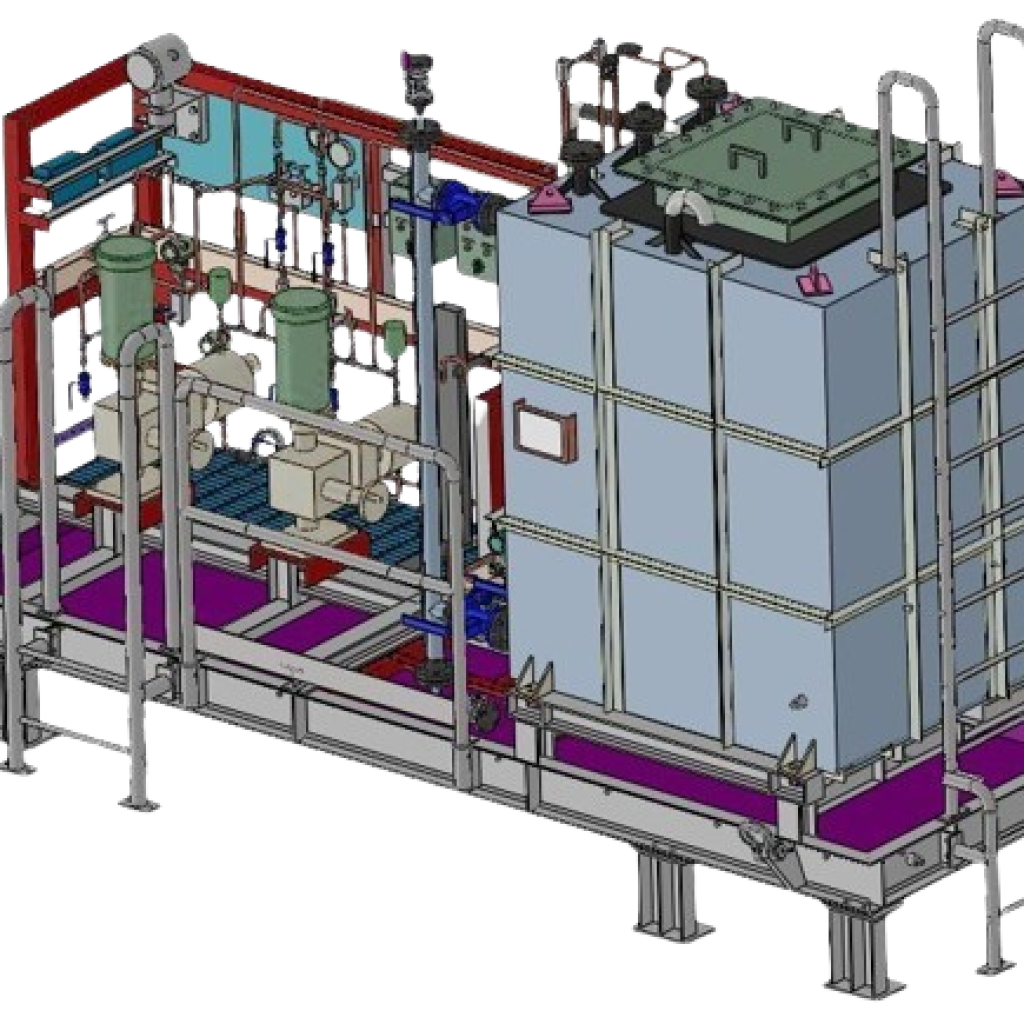
What is a Chemical Dosing Skid?
A chemical dosing skid is a pre-engineered, modular system that includes a chemical storage tank, dosing pumps, piping, valves, instrumentation, and control systems—all mounted on a skid or base frame. The design is compact and fully assembled, ready for plug-and-play installation.
These skids are widely used for:
- Water and wastewater treatment
- Cooling water systems
- Boiler feed water dosing
- Oil & gas chemical injection
- Food and beverage process treatment
- Industrial chemical processing
A well-structured dosing skid ensures accurate, consistent, and safe dosing of chemicals into process streams—making the role of a Chemical dosing in water treatment indispensable.
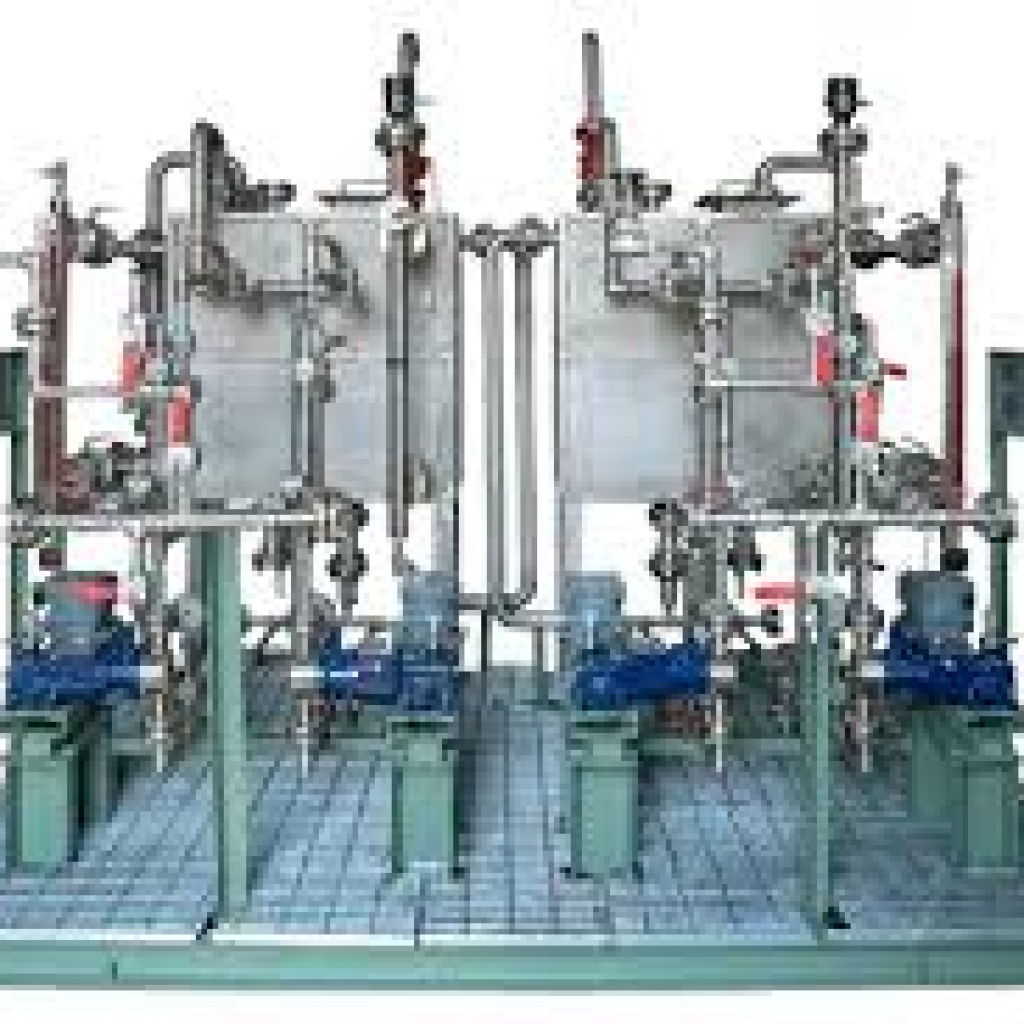
Why Choose a Local Chemical Dosing Skid Supplier in Singapore?
1. Compliance with Singapore Standards
Working with a local Chemical dosing in water treatment ensures all components and materials comply with PUB, NEA, and SCDF regulations. The designs meet the safety and environmental codes required within the Singapore industrial and municipal sectors.
2. Faster Turnaround & Custom Fabrication
A Chemical dosing in water treatment offers faster lead times, shorter shipping durations, and localized fabrication options. Customization becomes more accessible when local teams understand the specific climate, chemical properties, and operational expectations of industries within Singapore.
3. After-Sales Support & On-Site Service
Local suppliers can offer preventive maintenance, emergency support, calibration services, and retrofit work efficiently. A committed Chemical dosing in water treatment ensures minimal downtime and quick technical assistance.
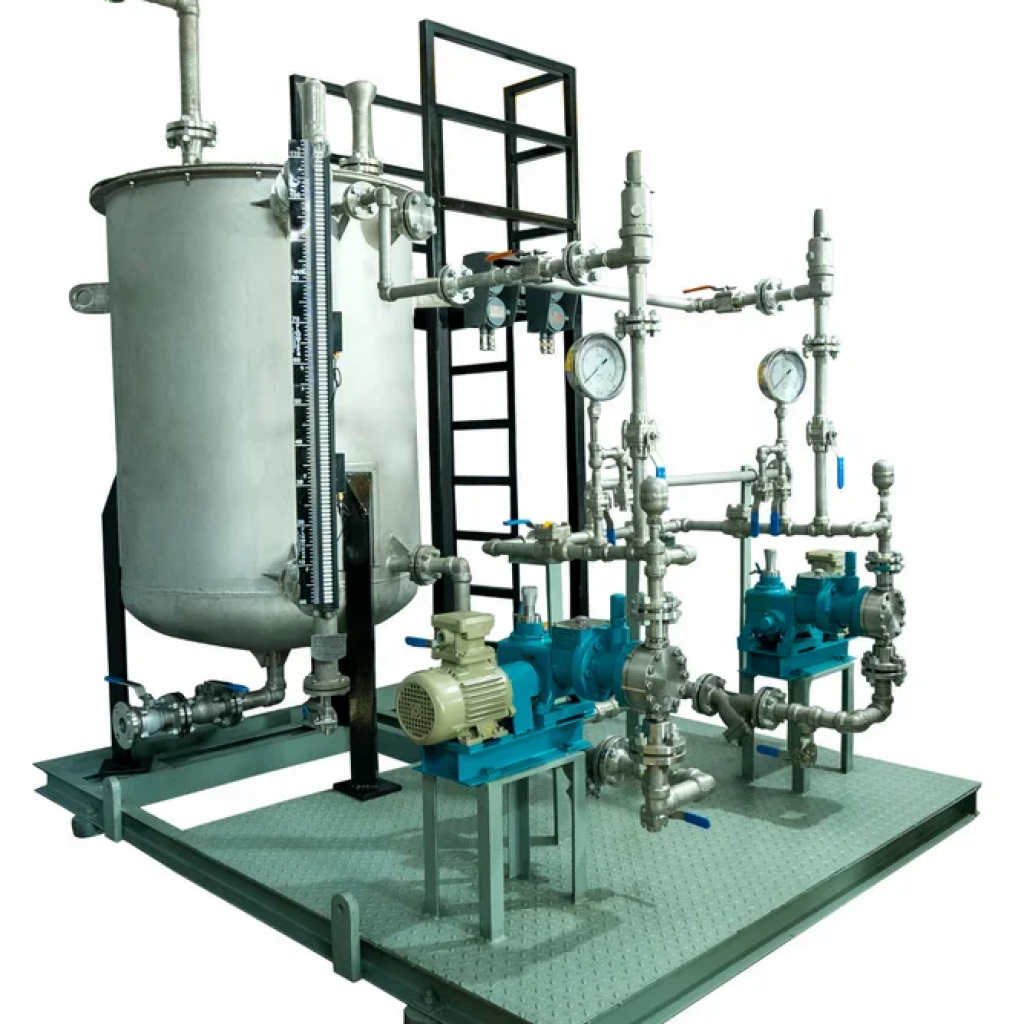
Components Offered by a Top Chemical dosing in water treatment
An expert Chemical dosing in water treatment provides integrated, fully assembled skids including:
✔ Chemical Storage Tanks
High-quality HDPE, PP, FRP, or SS tanks compatible with the chemical being used.
✔ Dosing Pumps
High-accuracy diaphragm or plunger-type metering pumps capable of precise chemical dosing across various pressure ranges.
✔ Piping and Valves
Corrosion-resistant PVC, CPVC, PVDF, or SS piping networks with safety relief valves, non-return valves, pressure gauges, and calibration columns.
✔ Instrumentation and Controls
Includes level sensors, flow meters, pH analyzers, temperature sensors, and PLC-based automation panels to ensure safe and optimized dosing operations.
✔ Modular Skid Frame
Robust structural frame designed for stability, corrosion resistance, and easy mobility.
All systems provided by a Chemical dosing in water treatment are typically skid-mounted, reducing field installation time, and minimizing human error during commissioning.
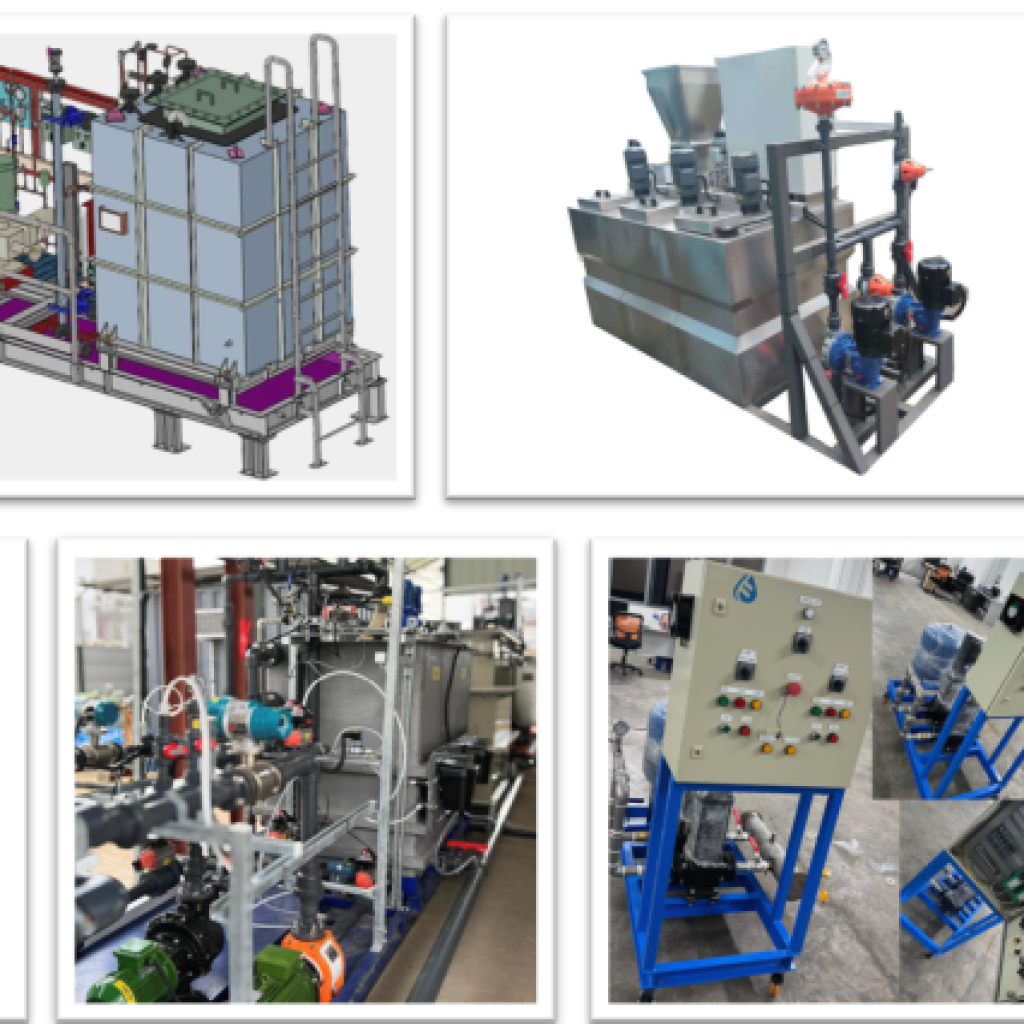
Applications Served by Chemical dosing in water treatment
A versatile Chemical dosing in water treatment can serve a variety of industries, including but not limited to:
● Municipal Water Treatment Plants
Accurate chlorine, alum, lime, or polymer dosing is essential for clean water delivery. A trusted Chemical dosing in water treatment ensures consistent water quality standards are maintained.
● Wastewater Treatment Facilities
Dosing skids support pH correction, coagulation, sludge conditioning, and disinfection. Chemical handling solutions provided by a Chemical dosing in water treatment must be robust to handle corrosive and abrasive substances.
● Petrochemical and Refinery Operations
Precise chemical injection for corrosion inhibitors, demulsifiers, and scale inhibitors helps maintain the integrity of pipelines and equipment.
● Semiconductor & Electronics
Ultra-pure chemical dosing is critical for process baths and rinses. Skids designed by a high-quality Chemical dosing in water treatment meet stringent purity requirements.
● Power Plants
Dosing of hydrazine, ammonia, and phosphate helps maintain boiler health and cooling efficiency.
Key Benefits of a Skid from a Certified Chemical dosing in water treatment
✅ Plug-and-Play Design
Minimized on-site installation work reduces labor costs and commissioning time.
✅ Customization Flexibility
A reliable Chemical dosing in water treatment customizes based on chemical compatibility, dosing range, and integration requirements.
✅ Safety Assurance
Bund trays, leakage detectors, and interlocks built into the system ensure zero environmental contamination or chemical spillage.
✅ PLC Integration & Remote Monitoring
Modern dosing systems are integrated with PLC and SCADA to allow real-time monitoring and historical data analysis.
✅ Scalable Configurations
Whether for small pilot plants or large-scale water treatment systems, modular dosing skids allow scalable expansion.
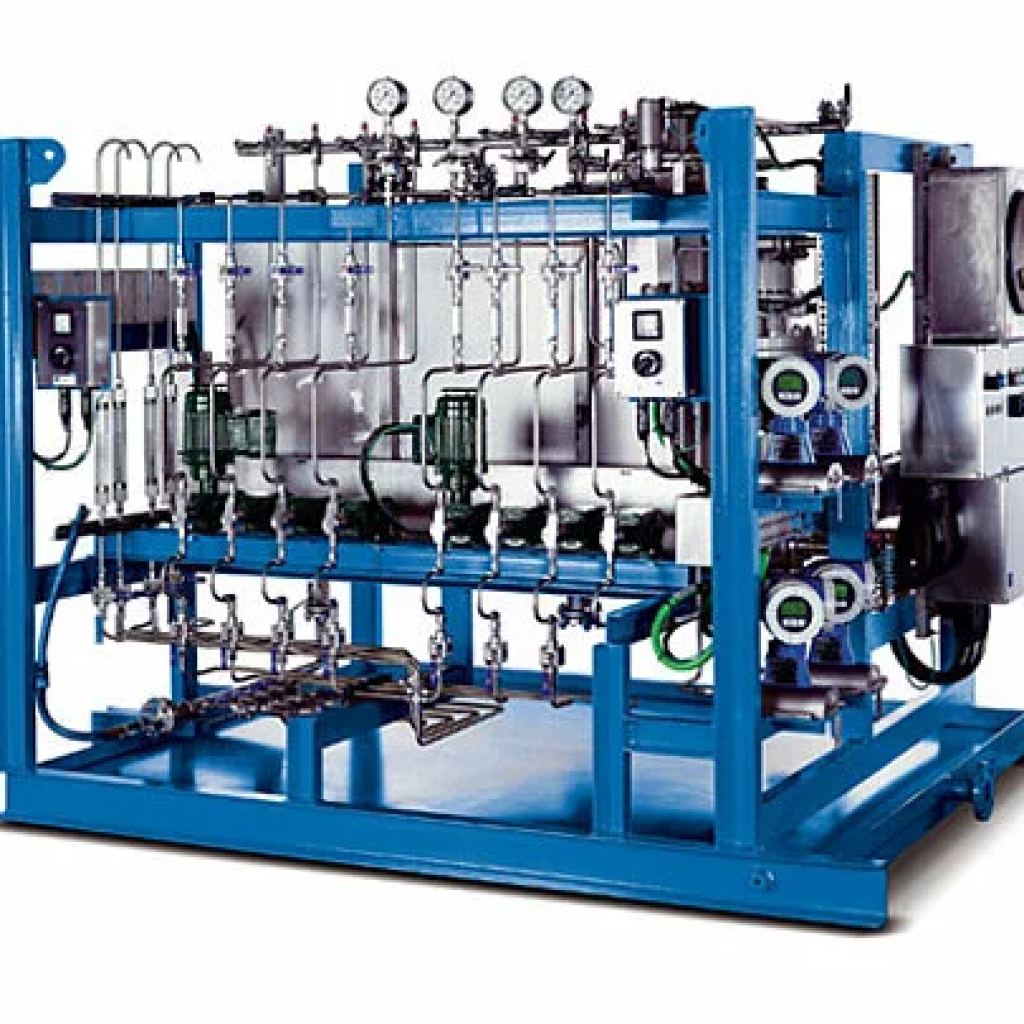
Custom Engineering by Top Chemical dosing in water treatment
What sets a leading Chemical dosing in water treatment apart is the ability to design and fabricate skids tailored to unique requirements. This includes:
- Multi-chemical dosing skids
- High-pressure chemical injection systems
- Redundant pump arrangements for uninterrupted dosing
- Integration with existing DCS or SCADA systems
- Skids with ATEX/IECEx-rated components for hazardous zones
A competent Chemical dosing in water treatment understands fluid dynamics, chemical properties, control systems, and fabrication standards to deliver technically sound and cost-effective solutions.
Quality Assurance and Testing Procedures
Every reliable Chemical dosing in water treatment follows rigorous quality control protocols before dispatch. These may include:
- Factory Acceptance Testing (FAT)
- Hydrostatic pressure testing
- Electrical insulation and continuity testing
- Instrument calibration
- Leak test and functional testing
Skids are only dispatched after they comply with ISO 9001 standards and client-specific testing protocols, ensuring safety and operational reliability.
Skid Material Selection by a Chemical dosing in water treatment
Depending on the nature of the chemicals, a knowledgeable Chemical dosing in water treatment offers material options such as:
- Stainless Steel (SS304/316): For acid/base dosing and food-grade applications.
- HDPE / LLDPE Tanks: For cost-effective storage with corrosion resistance.
- PP / PVDF Piping: For aggressive and high-temperature chemical flows.
- FRP Coatings: For enhanced environmental resistance in outdoor settings.
The right Chemical dosing in water treatment ensures chemical compatibility across the entire system, reducing the risk of corrosion or degradation.
Safety & Regulatory Compliance in Singapore
Singapore has stringent environmental and worker safety standards, particularly for handling hazardous chemicals. The best Chemical dosing in water treatment complies with:
- Workplace Safety and Health (WSH) regulations
- Public Utilities Board (PUB) requirements
- SCDF fire safety codes
- Ministry of Manpower (MOM) technical standards
- ISO and ASME standards for equipment and piping
By meeting these standards, a top Chemical dosing in water treatment ensures client facilities remain compliant and safe for all operators.
Expertise of a pump technician in Singapore
A well-functioning pump system is essential for any facility that depends on water supply, fluid transfer, cooling systems, wastewater control, or industrial processing. This means the expertise of a pump technician in Singapore is more than a convenience — it is a necessity for safety, efficiency, and operational stability. As industries elevate their production standards and expectations for uptime, the role of a seasoned technician becomes central. This extended content explores deeper insights into pump system care, technical procedures, industry-specific needs, and the growing importance of a pump technician in Singapore in modern engineering environments.
Understanding the Complexity of Modern Pump Systems
Modern pumps are far more advanced than earlier mechanical units. Many systems now include integrated sensors, smart controllers, variable-speed drives, and automated safety shutoffs. A specialized pump technician in Singapore must understand each component and how it interacts with the wider system.
These technicians manage:
- Hydraulic performance analysis
- Pump curve interpretation
- Motor and rotor dynamics
- Impeller selection and calibration
- Seal and bearing diagnostics
- Vibration and noise profiling
- Thermal behavior assessment
- Automation and control system tuning
The increased complexity means that a pump technician in Singapore must combine mechanical skill, electrical knowledge, and data interpretation capabilities. Without proper expertise, pump systems can consume excess energy, wear down prematurely, or experience sudden failures.
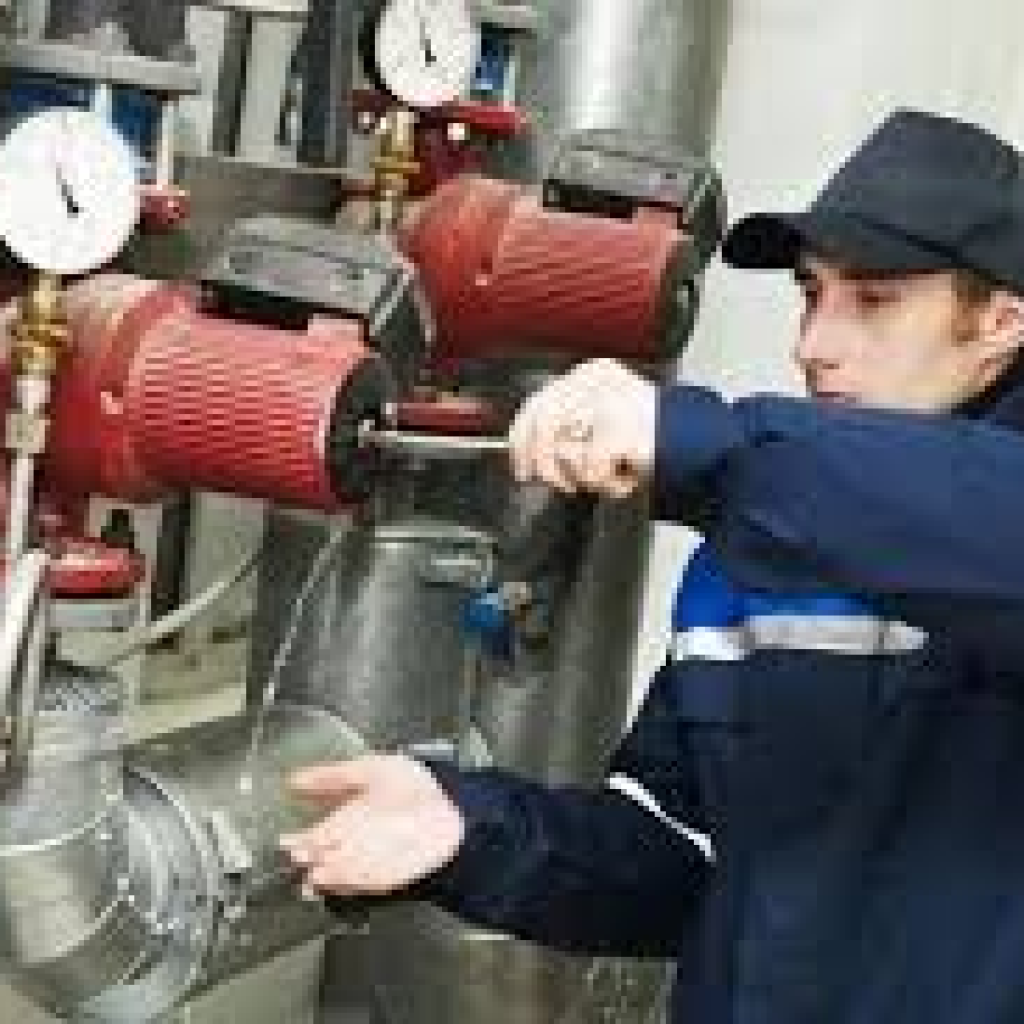
How a Chemical dosing in water treatment Supports Industrial Operations
Industries depend on precision, consistency, and safety. Even small fluctuations in pump performance can affect production output, chemical reactions, cooling rates, or fluid pressure. A competent Chemical dosing in water treatment supports industrial operations in several critical ways:
Maintaining Production Flow
Many manufacturing processes require consistent water or fluid flow for cooling, processing, lubrication, or waste discharge. A Chemical dosing in water treatment ensures the system maintains stable flow rates and pressure at all times.
Minimizing Energy Waste
Industrial pumps often run continuously. If they are misaligned, clogged, or poorly configured, they consume significantly more electricity. A skilled Chemical dosing in water treatment can optimize performance to reduce energy consumption.
Avoiding Unplanned Shutdowns
Unexpected pump failures disrupt production, cause safety risks, and lead to financial losses. With predictive maintenance, a Chemical dosing in water treatment can prevent breakdowns before they occur.
Enhancing Workplace Safety
Industrial environments have strict safety frameworks. A trained Chemical dosing in water treatment ensures equipment operates within safe parameters, reducing risks of leaks, overheating, or mechanical hazards.
The Technical Process Followed by a Chemical dosing in water treatment
A professional approach is necessary to maintain consistency and reliability. A knowledgeableChemical dosing in water treatment follows a detailed, structured process when inspecting or servicing pump systems.
1. Pre-Inspection Review
The technician gathers information on past maintenance history, operational issues, and system configurations.
2. Visual and Mechanical Assessment
This includes checking:
- Motor condition
- Coupling alignment
- Pipe supports
- Seal leakage
- Bearing health
- Noise levels
- Foundation stability
A Chemical dosing in water treatmentuses this initial assessment to identify surface-level issues.
3. Performance Measurement
The technician evaluates flow rate, pressure, current draw, temperature, and vibration using specialized tools.
4. Diagnostic Interpretation
Using pump curves and system data, the Chemical dosing in water treatmentdetermines whether the pump is performing within its designed range.
5. Repair or Adjustment
This may involve replacing worn-out components, tightening connections, realigning shafts, cleaning impellers, or recalibrating the control system.
6. Testing and Verification
After repairs, the technician confirms the system’s performance meets operational requirements.
7. Documentation and Recommendations
The final step ensures future service intervals and potential risks are recorded clearly.
Skills and Tools Used by a Chemical dosing in water treatment
A proficient Chemical dosing in water treatment uses a combination of technical skills and diagnostic tools to deliver reliable results.
Key Skills
- Mechanical engineering fundamentals
- Electrical troubleshooting
- Fluid dynamics knowledge
- Vibration analysis proficiency
- Pump performance interpretation
- Safety compliance understanding
- Predictive maintenance methods
Common Tools
- Laser alignment equipment
- Vibration analyzers
- Flow meters
- Pressure gauges
- Thermal cameras
- Electrical test meters
- Impeller removal tools
- Seal replacement kits
Only a skilled Chemical dosing in water treatment can combine these tools and techniques to ensure precise, long-lasting solutions.
Impact of Environmental Conditions on Pump Performance
Singapore’s climate and industrial environment create unique challenges for pump systems. High humidity, heat, and constant exposure to moisture can accelerate wear and corrosion. A reliable pumps technician in Singapore must understand how local conditions affect pump components.
Humidity-Driven Corrosion
Pump bodies, impellers, and internal surfaces may corrode faster without proper material selection or coating.
Thermal Expansion
Heat can affect motor efficiency, seal integrity, and bearing lubrication.
Water Quality Fluctuations
Mineral deposits, debris, or sediments can clog impellers and reduce performance, requiring frequent attention from a pumps technician in Singapore.
High-Duty Industrial Operation
Many facilities run pumps continuously, placing heavy mechanical stress on motors and bearings.
An experienced pumps technician in Singapore knows how to counter these environmental effects through protective measures and maintenance schedules.
Maintenance Support & Spares Availability
Choosing a local Chemical dosing in water treatment ensures easier access to:
- Spare parts for pumps, motors, sensors, and tubing
- Routine maintenance contracts
- Skid upgrades or retrofits
- Emergency repair services
- Chemical compatibility consultation
On-time support ensures high uptime and longevity of the chemical dosing systems.
Integration with Smart Industry 4.0 Systems
Modern dosing skids are more than just mechanical units. An experienced Chemical dosing in water treatment integrates:
- HMI Touchscreens
- Cloud-based analytics dashboards
- Real-time dosing accuracy feedback
- Predictive maintenance via IoT sensors
This allows operators to monitor dosing trends, detect anomalies, and improve operational efficiency—key in today’s digital manufacturing environments.
Sustainability Focus by a Chemical dosing in water treatment
Sustainability is a growing priority across Singapore’s industries. A forward-thinking Chemical dosing in water treatment supports:
- Efficient chemical usage to reduce waste
- Closed-loop systems to prevent spillage
- Energy-efficient pump selection
- Recyclable or reusable materials in skid design
These initiatives align with Singapore’s Green Plan and contribute to long-term cost savings and environmental responsibility.
Chemical dosing in water treatment: Complete Guide to Reliable Pumping Solutions
In the industrial and residential landscape of Singapore, the Chemical dosing in water treatment market plays a crucial role in addressing the growing demand for efficient water management. Whether it’s dewatering, sewage treatment, construction site pumping, or residential water lifting, the Chemical dosing in water treatment category offers versatile, energy-efficient, and highly durable options.
This guide explores everything related to Chemical dosing in water treatment including its applications, benefits, working principles, materials, installation tips, maintenance, and what factors to consider when choosing one.
What Is a Submersible Water Pump?
A submersible water pump is a type of pump that is designed to be fully submerged in water or other fluids. In the context of Chemical dosing in water treatment, these pumps are widely used in applications ranging from domestic water tanks to heavy-duty industrial sewage systems. The pump’s motor is hermetically sealed to prevent any water ingress and to ensure long-lasting performance.
Key Applications of Chemical dosing in water treatment
- Residential Water Supply
- Submersible pumps are commonly used to draw water from underground tanks and wells in residential buildings.
- Irrigation and Landscaping
- In Singapore’s green infrastructure and urban gardens, Chemical dosing in water treatment solutions support automated irrigation systems.
- Sewage and Drainage Systems
- Wastewater management is critical, and submersible pumps handle sewage and sludge efficiently without clogging.
- Construction Site Dewatering
- Submersible pumps remove accumulated rainwater, underground seepage, and slurry from construction pits.
- Aquaculture and Marine Uses
- Fish farms and marine facilities use these pumps for constant water circulation, filtering, and oxygenation.
- Industrial Processing
- Many industrial setups in Singapore use Chemical dosing in water treatment solutions for cooling, slurry transfer, and chemical wastewater handling.
Benefits of Using Chemical dosing in water treatment
- High Efficiency
- Being submerged reduces suction losses, improving efficiency compared to surface pumps.
- Space Saving
- Compact design allows placement inside tanks or pits, saving valuable floor space.
- Noise Reduction
- Submerged operations mean less operational noise—ideal for residential and quiet zone areas in Singapore.
- Energy Efficiency
- Reduced head losses and minimal priming needs make these pumps more energy efficient.
- Safe Operation
- Fully sealed units reduce electrical risks and are safer even in flooded or underwater conditions.
- Durability
- High-grade materials such as stainless steel, cast iron, and engineered plastics make them corrosion-resistant—perfect for humid environments like Singapore.
Types of Chemical dosing in water treatment
1. Open Well Submersible Pumps
Ideal for lifting water from open water reservoirs and tanks. Used in buildings and landscape watering.
2. Borewell Submersible Pumps
Used to draw groundwater from deep bore wells. They are narrow and long, capable of lifting water from great depths.
3. Sewage Submersible Pumps
Designed with large solid-handling capabilities, these pumps are critical in municipal and industrial sewage systems.
4. Slurry Submersible Pumps
Used in construction and mining, these pumps handle mud, sand, and gravel with excellent abrasion resistance.
5. Utility Submersible Pumps
These are portable and lightweight, perfect for draining flooded basements, water tanks, or small ponds.
Materials Used in Chemical dosing in water treatment
Singapore’s tropical climate demands high-quality materials for long-term reliability. Common materials include:
- Stainless Steel: Corrosion-resistant, suitable for clean water and slightly acidic or alkaline environments.
- Cast Iron: Used in sewage and drainage pumps for its durability.
- Thermoplastics: Lightweight, economical, and corrosion-resistant, used in residential and light-duty applications.
Working Principle of Chemical dosing in water treatment
The working of a Chemical dosing in water treatment system is based on converting electrical energy into mechanical energy. Once submerged, the motor spins the impeller, creating centrifugal force that pushes water through the discharge pipe. The pump’s pressure lifts water to the desired level, depending on its head capacity.
How to Select the Right Chemical dosing in water treatment
When selecting a Chemical dosing in water treatment product, it is important to consider:
- Flow Rate (L/min or m³/h)
- Determines how much water the pump can move per unit time.
- Head Height
- The vertical height the pump can lift water. Match this with your tank elevation or borewell depth.
- Power Rating
- Choose a motor (in HP or kW) based on required performance and power availability.
- Pump Size
- Should fit the borewell or tank diameter appropriately.
- Solid Handling Capacity
- For sewage or slurry, choose a pump with adequate solid particle tolerance.
- Material Compatibility
- Match pump materials with the fluid’s corrosiveness and abrasiveness.
Installation Guidelines for Chemical dosing in water treatment
Proper installation ensures the longevity and performance of the Chemical dosing in water treatment system.
- Always install with a control panel with overload protection.
- Use high-quality waterproof cables.
- Position the pump at a depth where it is always submerged.
- Install a check valve to prevent backflow.
- Avoid resting the pump on muddy bottoms; use stands or base plates.
Maintenance Tips for Chemical dosing in water treatment
Routine maintenance helps in extending pump life and avoiding unexpected breakdowns:
- Visual Inspection: Regularly inspect for cracks, wear, or cable damage.
- Performance Checks: Monitor flow rate and power consumption for abnormalities.
- Cleaning: Remove sediments or debris from suction strainers and impellers.
- Seal Check: Ensure mechanical seals are intact to avoid leakage.
- Storage: If unused for long periods, clean and store in a dry place.
Energy Efficiency and Environmental Impact
Chemical dosing in water treatment solutions contribute positively to energy conservation and water management:
- Low Energy Consumption: By reducing suction lift, they use less electricity.
- Automatic Controls: Float switches and level sensors help regulate operations efficiently.
- Leak-Proof Designs: Minimize contamination risks in potable water systems.
Singapore’s commitment to sustainability aligns perfectly with the eco-friendly design of many Chemical dosing in water treatment models that ensure minimal water wastage and optimized performance.
Advanced Features in Chemical dosing in water treatment Market
With continuous innovation, many new Chemical dosing in water treatment options come with:
- Smart Sensors
- For auto-start/stop based on water levels.
- VFD Compatibility
- Variable Frequency Drives allow speed control for energy saving.
- Dry Run Protection
- Prevents motor burnout when water is unavailable.
- Thermal Overload Protection
- Automatically shuts down if the pump overheats.
Industries Served by Chemical dosing in water treatment
- Municipal Water Authorities
- Agriculture and Horticulture
- Oil and Gas
- Marine and Shipyards
- Commercial Buildings
- Chemical Processing
- Mining and Quarrying
- Food and Beverage
These sectors rely heavily on Chemical dosing in water treatment installations to maintain operations, ensure safety, and uphold environmental standards.
The Future of Chemical dosing in water treatment Solutions
Singapore is rapidly advancing toward smart cities and water sustainability. With increased demand for digital automation, IoT-based Chemical dosing in water treatment systems are gaining traction. The integration of AI, cloud monitoring, and predictive maintenance will define the next generation of submersible pumping solutions.
Why Chemical dosing in water treatment Is a Smart Investment
Investing in a Chemical dosing in water treatment product guarantees superior performance, durability, and versatility across a wide range of applications. From high-rise buildings to underground tunnels, these pumps prove invaluable in every sector of water management.
The tropical climate, heavy rainfall, and stringent environmental standards in Singapore make submersible pumps not just a convenience but a necessity. By choosing the right Chemical dosing in water treatment model, you’re ensuring operational efficiency, resource conservation, and peace of mind.
Whether you require small domestic models or large-scale industrial systems, the Chemical dosing in water treatmentd robust performance.
Contact Information:
- Website: https://flomek.com
- Email: sales@flomek.com
- Phone: +65 1234 5678
- Address: 123 Industrial Avenue, Singapore 567890
Get in touch with us today to discuss your project or request a quote. Let Flomek help you find the perfect pump solution to keep your operations flowing smoothly. Pump manufacture in yishun
Also Read – Best pump services Pump manufacture in yishun
Copyright © Flomek 2024, All Right Reserved.Designed and Developed by ❤️ Krigo Softwares


Leave A Reply