





Pump Solutions Singapore – Singapore’s No 1 Best Pump service & supplier
Pump Solutions Singapore – Complete Industrial Pumping Solutions for Diverse Applications
Introduction to Pump Solutions Singapore
Reliable pumping systems are essential for modern industrial, commercial, municipal, marine, and infrastructure operations. Pumps are responsible for transferring, circulating, dosing, lifting, draining, pressurising, and managing different types of fluids. In Singapore, where industrial facilities, high-rise buildings, water treatment plants, marine facilities, pharmaceutical plants, food-processing facilities, and chemical industries require dependable fluid-handling systems, selecting the right pumping equipment is an important engineering decision.
Pump Solutions Singapore can include much more than simply supplying a pump. A complete pumping solution may involve application assessment, pump selection, hydraulic calculations, equipment supply, system design, installation, testing, commissioning, troubleshooting, preventive maintenance, repair, refurbishment, and replacement. A properly engineered system helps improve reliability, energy efficiency, operating performance, and equipment service life.
Singapore’s industrial environment creates a wide variety of pumping requirements. Water-treatment applications may require centrifugal, submersible, dosing, sludge, or dewatering pumps, while chemical-processing applications may require corrosion-resistant pumps constructed from suitable metallic or non-metallic materials. Building services can require booster, transfer, circulation, HVAC, drainage, and fire-protection pumping systems. Marine and offshore applications can require seawater, ballast, bilge, cooling, cargo, and fire-fighting pumps.
Professional Pump Solutions Singapore therefore need to be selected according to the actual operating conditions rather than simply choosing equipment based on pump size or motor rating.
For example, an industrial pump selection normally considers parameters such as:
- Required flow rate
- Total dynamic head
- Fluid characteristics
- Fluid temperature
- Fluid viscosity
- Specific gravity
- Chemical compatibility
- Solids concentration
- Required discharge pressure
- Suction conditions
- Operating hours
- Motor power
- Speed
- Installation arrangement
- Environmental conditions
- Control requirements
- Maintenance requirements
The Singapore market includes companies providing pumping equipment and services for chemical processing, petroleum, oil and gas, HVAC, fire protection, utilities, water treatment, marine, food processing, and pharmaceutical industries.
What Are Pump Solutions Singapore?
Pump Solutions Singapore refers to the complete range of engineering products and services used to move, control, transfer, circulate, pressurise, or remove liquids and other process fluids.
A pump is only one component of a pumping system. The complete system can include:
- Pumps
- Electric motors
- Variable frequency drives
- Control panels
- Pressure switches
- Pressure transmitters
- Flow meters
- Level sensors
- Valves
- Strainers
- Non-return valves
- Expansion vessels
- Pressure tanks
- Pipes
- Flexible connectors
- Mechanical seals
- Couplings
- Base frames
- Skids
- Instrumentation
- Automation systems
The objective of professional Pump Solutions Singapore is to ensure that these components operate together as an integrated system.
A properly selected pump should deliver the required flow and pressure without excessive energy consumption, vibration, cavitation, mechanical wear, or unnecessary maintenance. Pump efficiency is particularly important because pumping systems can represent a significant portion of electrical consumption in industrial facilities. Singapore’s energy-efficiency guidance highlights appropriate pump selection, operation near the best efficiency point, high-efficiency motors, maintenance, and suitable control strategies as important areas for improving pump-system performance.
Why Pump Selection Is Important
Choosing the correct pump is one of the most important stages in developing Pump Solutions Singapore.
A pump that is too small may fail to achieve the required flow or pressure. A pump that is oversized may consume unnecessary energy and operate inefficiently. Incorrect material selection can cause corrosion, leakage, premature seal failure, or equipment damage. Incorrect installation can create vibration, alignment problems, excessive noise, and reduced operating life.
Therefore, pump selection should begin with a detailed understanding of the application.
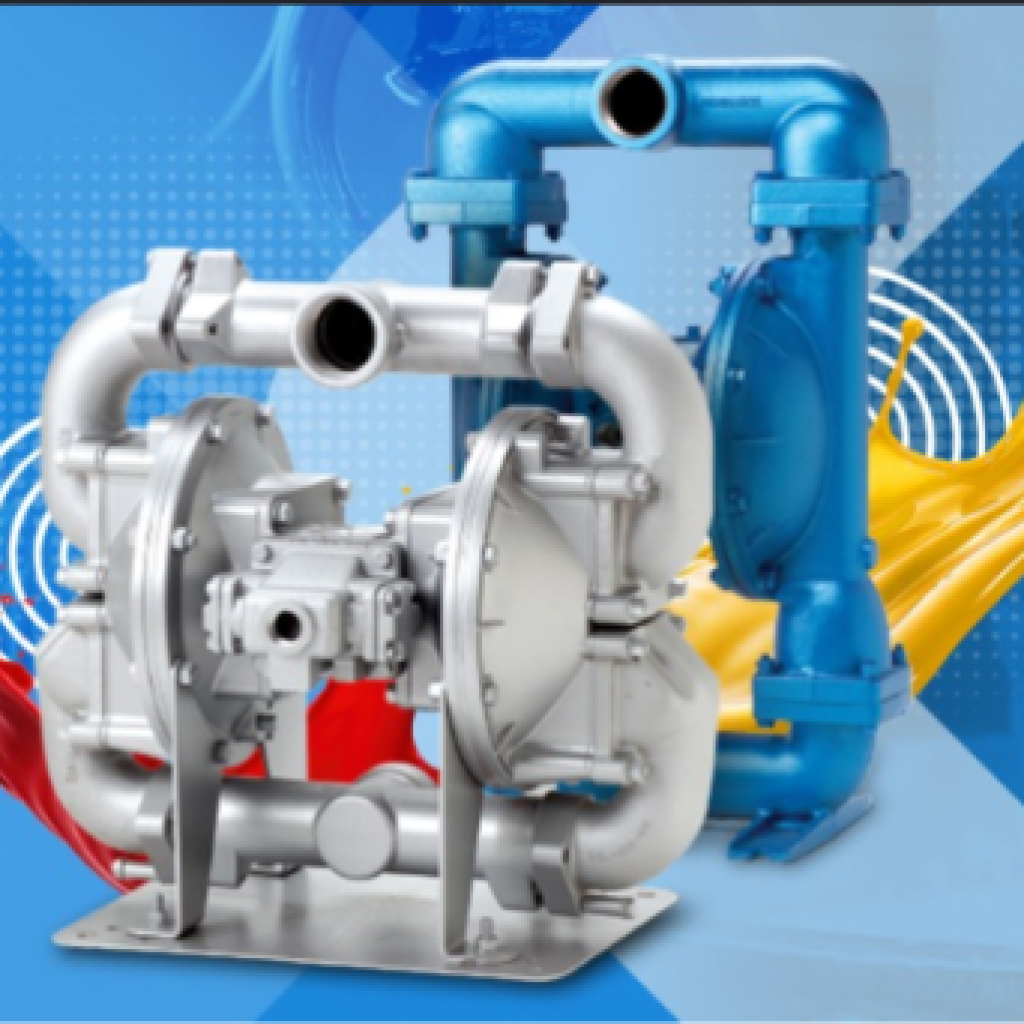
1. Flow Rate
Flow rate indicates how much fluid needs to be transferred during a particular period.
It may be expressed in:
- m³/hr
- L/min
- L/s
- m³/day
- GPM
For example, a water-transfer application may require 50 m³/hr, while a chemical dosing application may require only a few litres per hour.
The selected pump should be capable of delivering the required flow at the required operating pressure or head.
2. Pump Head
Pump head represents the energy required to move the fluid through the system.
The total head can include:
- Static head
- Pressure head
- Friction losses
- Pipe losses
- Valve losses
- Equipment losses
- Elevation differences
Correct head calculation is critical when developing Pump Solutions Singapore because pump performance depends on the relationship between flow and head.
3. Fluid Characteristics
The fluid being pumped can significantly affect pump selection.
Important fluid properties include:
- Density
- Viscosity
- Temperature
- pH
- Corrosiveness
- Abrasiveness
- Vapour pressure
- Solids content
- Chemical concentration
A pump designed for clean water may not be appropriate for concentrated chemicals, abrasive slurry, wastewater containing solids, or high-viscosity fluids.
4. Temperature
Operating temperature must also be considered.
Hot liquids may require special pump materials, mechanical seals, bearings, cooling arrangements, or other design considerations.
Similarly, low-temperature fluids can create different material and sealing requirements.
5. Chemical Compatibility
Chemical applications require careful consideration of wetted materials.
Depending on the chemical and concentration, suitable materials may include:
- Stainless steel
- Duplex stainless steel
- Alloy materials
- PP
- PVDF
- PTFE
- Other engineered plastics
Chemical-process pump suppliers in Singapore commonly highlight the importance of corrosion-resistant metallic and non-metallic materials for safe fluid handling.
This is why professional Pump Solutions Singapore should evaluate the fluid before recommending a particular pump.
Types of Pumps Used in Singapore
A wide variety of pump technologies are used across Singapore’s industrial and commercial sectors. Each pump type has specific advantages and application areas.
Centrifugal Pumps
Centrifugal pumps are among the most widely used pumps for water and many industrial applications.
They use rotational energy from an impeller to transfer energy to the fluid.
Typical applications include:
- Water transfer
- Cooling water
- HVAC
- Process water
- Irrigation
- Water treatment
- General industrial services
- Fire protection
- Chemical transfer
Different centrifugal pump configurations are available, including:
- End-suction pumps
- Split-case pumps
- Multistage pumps
- Vertical pumps
- Inline pumps
- Vertical turbine pumps
- Self-priming pumps
Industrial pump suppliers in Singapore offer centrifugal pump technologies for water supply, wastewater treatment, desalination, and high-volume industrial processes.
End-Suction Pumps
End-suction pumps are commonly used for general liquid-transfer applications.
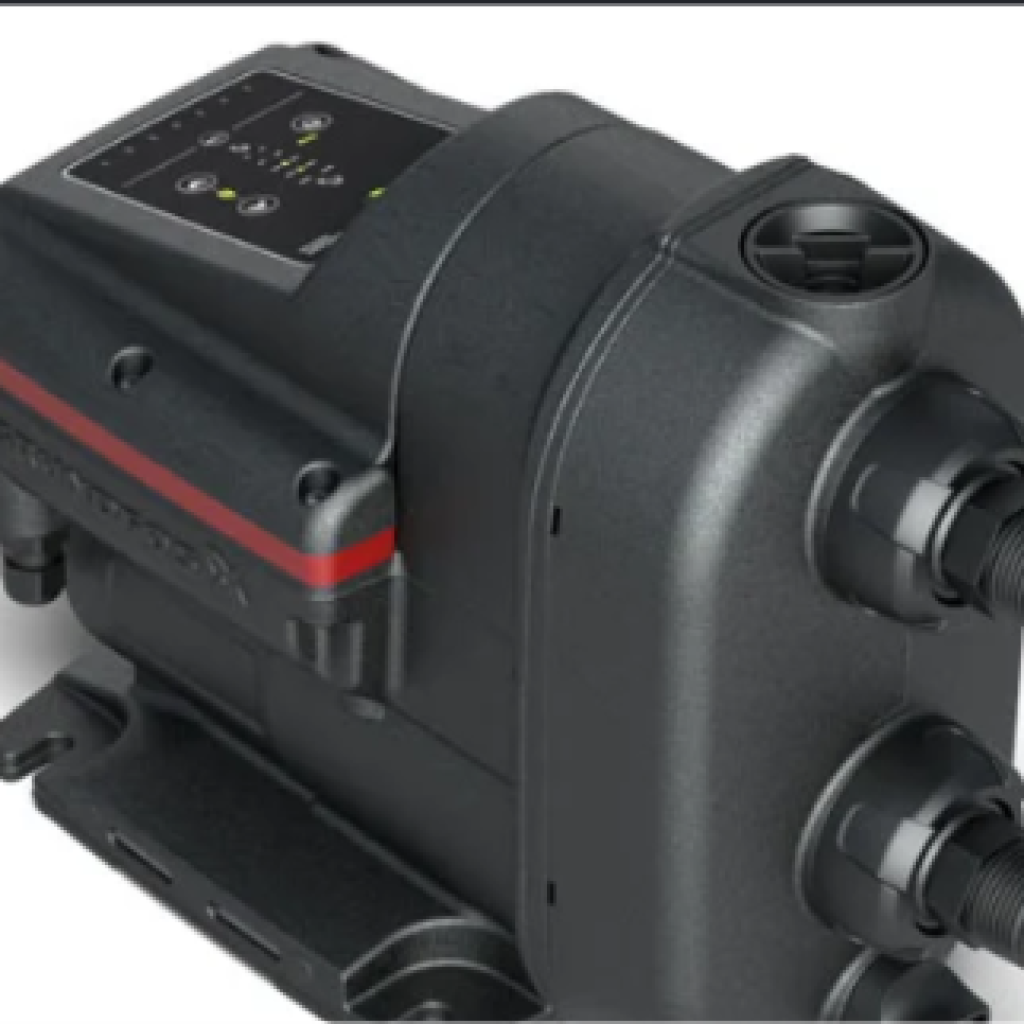
They can be suitable for:
- Water circulation
- Industrial processes
- HVAC systems
- Cooling systems
- Utility services
- General fluid transfer
Their relatively straightforward construction can make inspection and maintenance easier.
Multistage Pumps
Multistage pumps contain multiple impellers arranged in series.
They are commonly selected when high pressure or high head is required.
Applications can include:
- High-rise water supply
- Boiler feed
- Reverse osmosis systems
- Pressure boosting
- Industrial process systems
- High-pressure water transfer
For buildings and industrial facilities where high discharge pressure is required, multistage pump configurations can be an important part of Pump Solutions Singapore.
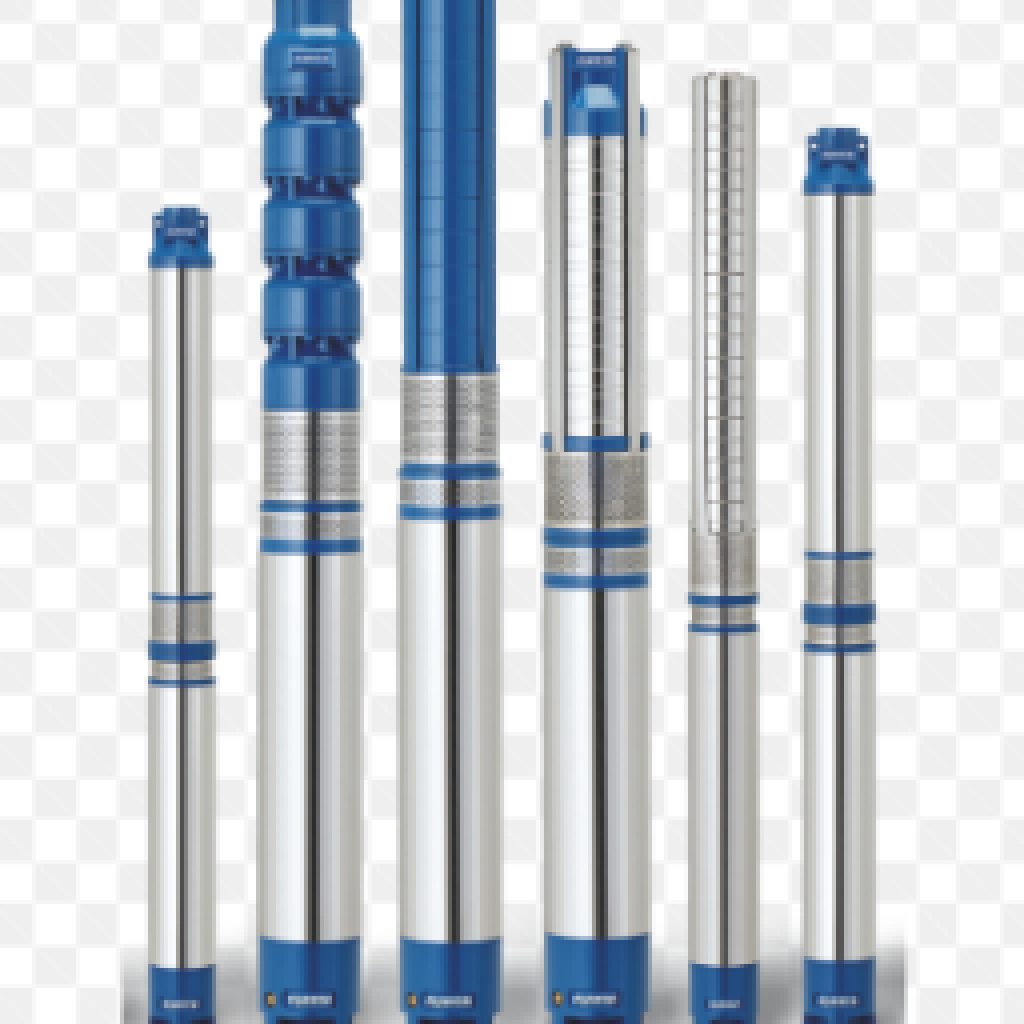
Submersible Pumps
Submersible pumps operate while immersed in the liquid.
They are widely used for:
- Drainage
- Dewatering
- Wastewater
- Sewage
- Sump pumping
- Construction-site dewatering
- Floodwater removal
Because the pump is installed inside the liquid, the system can reduce some suction-related issues associated with surface-mounted pumps.
Slurry Pumps
Slurry pumps are designed to handle fluids containing abrasive solids.
Typical applications include:
- Industrial wastewater
- Sludge transfer
- Mineral processing
- Sand handling
- Construction
- Wastewater treatment
- Process industries
The pump construction must be selected according to the solids concentration, particle size, abrasiveness, flow rate, and operating conditions.
Singapore pump suppliers also provide slurry pumping systems for sludge and high-solid fluid handling applications.
Chemical Process Pumps
Chemical pumps are designed for transferring aggressive, corrosive, toxic, or hazardous fluids.
Applications may include:
- Chemical manufacturing
- Water treatment
- Pharmaceutical processing
- Semiconductor-related processes
- Industrial cleaning
- Dosing systems
- Chemical transfer
Material selection is particularly important in these applications.
Dosing Pumps
Dosing pumps provide controlled quantities of chemicals into a process.
They can be used for:
- Chlorination
- pH correction
- Coagulant dosing
- Disinfection
- Chemical treatment
- Water treatment
- Process control
Accurate chemical dosing can be critical to achieving the desired treatment result.
Pump Solutions for Water Treatment
Water treatment is one of the major application areas for Pump Solutions Singapore.
Water and wastewater facilities may use several different pumps throughout the treatment process.
These can include:
- Raw water pumps
- Transfer pumps
- Chemical dosing pumps
- Sludge pumps
- Backwash pumps
- Filter feed pumps
- Dewatering pumps
- Recirculation pumps
- Effluent pumps
- Sewage pumps
Each stage can have different hydraulic and fluid-handling requirements.
For example, clean-water transfer may require a conventional centrifugal pump, while sludge transfer may require a pump designed to handle solids.
Singapore-based pumping companies provide solutions covering water and wastewater treatment, including sludge handling, dewatering, chemical metering and transfer, aeration-related applications, and mixing.
Wastewater Pumping
Wastewater can contain:
- Suspended solids
- Organic material
- Fibres
- Grease
- Chemicals
- Sludge
Therefore, wastewater pumping systems require careful equipment selection.
A suitable wastewater pump should be capable of handling the expected solids and operating conditions without frequent blockage or mechanical failure.
Sludge Pumping
Sludge is typically more challenging to pump than clean water because of its higher viscosity and solids content.
Depending on the sludge characteristics, suitable technologies may include:
- Centrifugal pumps
- Progressive cavity pumps
- Rotary lobe pumps
- Diaphragm pumps
- Screw pumps
- Slurry pumps
The right technology depends on the characteristics of the sludge and the required operating conditions.
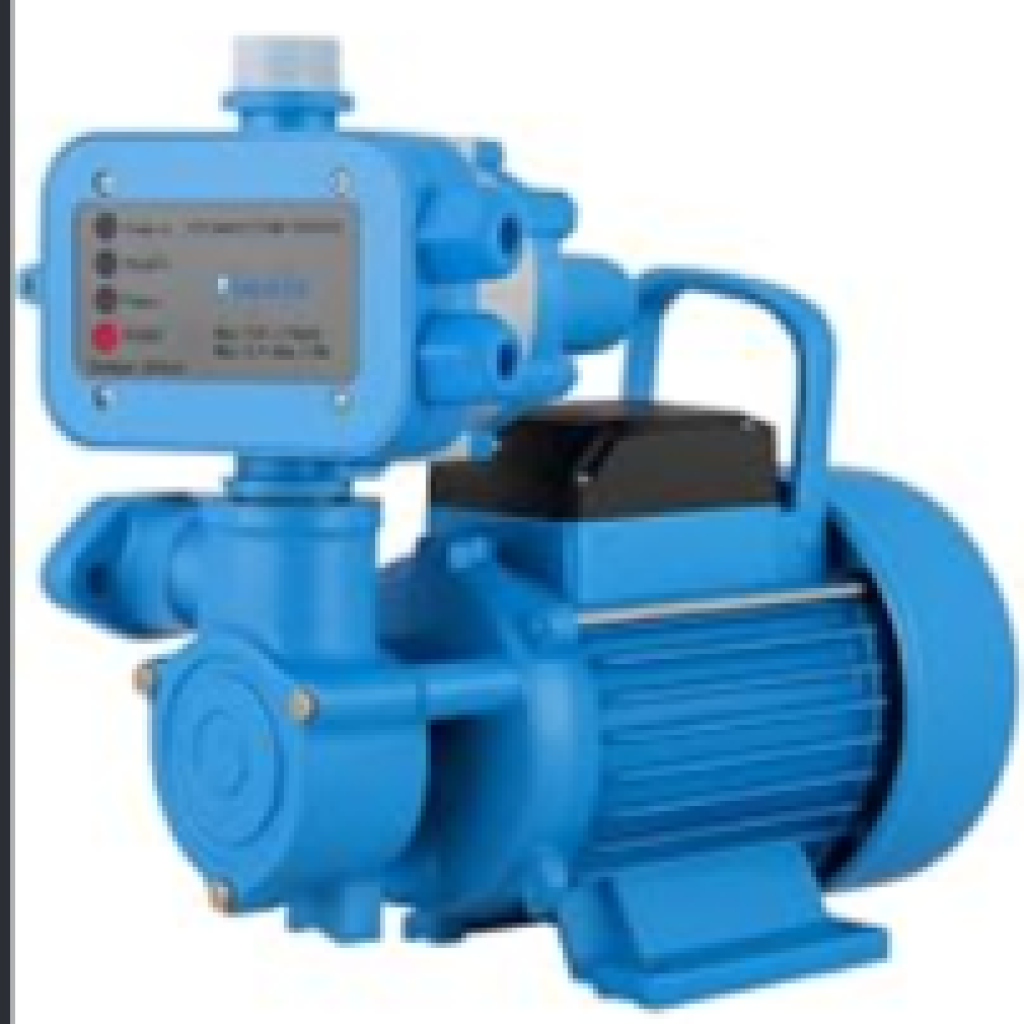
Pump Solutions for Chemical Industries
Chemical industries require carefully engineered pumping equipment because the fluids may be corrosive, hazardous, toxic, highly concentrated, or temperature-sensitive.
Pump Solutions Singapore for chemical industries should consider:
- Chemical compatibility
- Pump material
- Seal material
- Operating temperature
- Pressure
- Flow rate
- Viscosity
- Vapour pressure
- Hazard classification
- Maintenance requirements
A pump should not be selected simply because its capacity appears suitable.
For example, a pump that performs well with water may not be suitable for hydrochloric acid, sulfuric acid, sodium hypochlorite, solvents, or other aggressive chemicals.
Corrosion-resistant pump materials and appropriate sealing arrangements can significantly improve equipment reliability.
Pump Solutions for Manufacturing Plants
Manufacturing facilities often depend on pumps for continuous production.
Pump applications can include:
- Cooling water
- Process water
- Chemical transfer
- Cleaning systems
- Boiler systems
- Lubrication systems
- Wastewater
- Drainage
- Hydraulic systems
- Utility services
An unexpected pump failure can interrupt production and create significant operational costs.
For this reason, manufacturers should consider not only the initial pump purchase price but also:
- Energy consumption
- Maintenance cost
- Spare-parts availability
- Reliability
- Service support
- Expected service life
- Total cost of ownership
A well-engineered Pump Solutions Singapore approach evaluates the entire lifecycle rather than focusing only on the initial equipment price.
Pump Solutions for HVAC Systems
Heating, ventilation, and air-conditioning systems rely on pumps for water circulation.
Typical HVAC pumping applications include:
- Chilled-water circulation
- Condenser-water circulation
- Hot-water circulation
- Cooling-tower systems
- Building water systems
Pump efficiency can directly influence building energy consumption.
Correct pump selection, variable-speed control, system balancing, and regular maintenance can help improve HVAC system performance.
In large commercial buildings, pumps may operate for long periods every day. Therefore, even relatively small improvements in efficiency can contribute to meaningful operational savings over time.
Pump Solutions for High-Rise Buildings
Singapore has a large number of high-rise commercial, residential, institutional, and mixed-use buildings.
Water pumping systems may be required to:
- Transfer water between tanks
- Maintain water pressure
- Supply upper floors
- Support domestic water systems
- Drain basement areas
- Remove wastewater
- Support fire-protection systems
Booster pump systems can be used where additional pressure is required.
A typical high-rise pumping arrangement may contain:
Water Tank → Transfer Pump → Storage Tank → Booster Pump → Building Distribution
The actual configuration depends on building height, water demand, pressure requirements, available space, and applicable design requirements.
Complete water-storage and pumping providers in Singapore offer booster, transfer, sump, and ejector pump systems for commercial and industrial properties.
Energy Efficiency in Pumping Systems
Energy efficiency is an important consideration when designing Pump Solutions Singapore.
Pump energy consumption can become significant when equipment operates continuously.
Several factors affect energy consumption:
- Pump efficiency
- Motor efficiency
- Operating point
- Flow requirements
- Head requirements
- Pipe friction
- Valve losses
- Control method
- Operating hours
- System design
Operating a pump near its Best Efficiency Point, or BEP, is an important principle in pump-system optimisation. Singapore’s energy-efficiency guidance specifically identifies pump selection around BEP, efficient motors, maintenance, and proportional head control among important measures.
Variable Frequency Drives
Variable Frequency Drives, or VFDs, can adjust motor speed according to system demand.
Instead of running a pump continuously at full speed, a VFD-based system can reduce speed when lower flow is required.
Potential benefits include:
- Reduced energy consumption
- Better pressure control
- Reduced mechanical stress
- Improved process control
- Lower starting current
- Flexible operation
However, VFDs should be selected and configured based on the actual hydraulic system rather than being added without proper analysis.
Pump Installation Services
Correct installation is essential for reliable Pump Solutions Singapore.
Even a high-quality pump can experience premature failure if installation is incorrect.
Important installation considerations include:
Foundation
The pump and motor should be installed on a suitable foundation capable of supporting the equipment and resisting vibration.
Alignment
Correct shaft alignment between the pump and motor is essential.
Poor alignment can result in:
- Bearing damage
- Coupling wear
- Vibration
- Seal failure
- Increased energy consumption
Piping
Piping should be properly supported and installed without placing excessive loads on the pump casing.
Valves
Suitable isolation and non-return valves should be installed according to system requirements.
Electrical Connection
The motor should be connected according to the manufacturer’s electrical requirements.
Instrumentation
Pressure gauges, flow meters, level sensors, temperature sensors, and other instruments may be required depending on the application.
Pump Testing and Commissioning
Testing and commissioning are important stages of Pump Solutions Singapore.
A commissioning process may include:
- Visual inspection
- Mechanical inspection
- Electrical inspection
- Rotation check
- Alignment verification
- Lubrication check
- Valve inspection
- Leakage inspection
- Pressure testing
- Flow verification
- Vibration checking
- Temperature monitoring
- Performance verification
- Control-system testing
The exact commissioning procedure depends on the pump type and application.
Professional pump companies in Singapore also offer services such as pump commissioning, repair, overhaul, and troubleshooting.
Pump Maintenance Services
Regular maintenance helps extend equipment life and reduce unexpected failures.
A preventive maintenance program for Pump Solutions Singapore may include:
- Bearing inspection
- Mechanical seal inspection
- Impeller inspection
- Shaft inspection
- Coupling inspection
- Lubrication
- Motor inspection
- Vibration monitoring
- Pressure monitoring
- Flow monitoring
- Electrical checks
- Leakage inspection
- Alignment checks
Common Pump Problems
Some common signs of pump problems include:
Reduced Flow
Possible causes include:
- Blocked suction line
- Damaged impeller
- Incorrect rotation
- Worn components
- Closed valve
- System changes
Excessive Vibration
Possible causes include:
- Misalignment
- Bearing damage
- Cavitation
- Imbalance
- Loose foundation
- Pipe stress
Excessive Noise
Noise can be associated with:
- Cavitation
- Bearing wear
- Mechanical problems
- Air entering the system
- Incorrect operating conditions
Seal Leakage
Mechanical seal leakage can result from:
- Seal wear
- Misalignment
- Dry running
- Incorrect seal selection
- Shaft damage
- Excessive vibration
Early diagnosis can prevent a relatively small issue from becoming a major pump-system failure.
Why Choose Professional Pump Solutions Singapore?
Choosing a professional provider for Pump Solutions Singapore can provide several advantages.
Technical Expertise
Experienced pump engineers can assess the application and recommend appropriate equipment.
Complete System Approach
Instead of supplying only a pump, a professional provider can consider the complete system, including piping, valves, controls, instrumentation, motors, and electrical requirements.
Application-Specific Selection
Different industries require different pumping technologies.
A professional assessment helps ensure the selected pump matches the actual fluid and operating conditions.
Installation Support
Correct installation can significantly affect pump performance and service life.
Commissioning
Testing and commissioning help verify that the equipment operates according to the required design parameters.
Maintenance
Ongoing service can help identify problems before they result in unexpected downtime.
Repair and Overhaul
Pump repair and refurbishment can sometimes restore equipment performance without requiring complete replacement.
Singapore-Specific Pumping Requirements
Singapore’s water and industrial environment requires careful attention to system efficiency, operational reliability, and applicable requirements.
PUB, Singapore’s national water agency, has developed water-efficiency guidance and standards covering areas such as monitoring, measurement, documentation, reporting, equipment procurement, system design, and water-efficiency planning.
Therefore, organisations planning Pump Solutions Singapore should consider not only pump capacity but also the overall water-management strategy.
A good system should aim to:
- Avoid unnecessary water losses
- Reduce excessive pumping
- Improve monitoring
- Maintain reliable operation
- Support efficient water usage
- Simplify maintenance
- Reduce unexpected downtime
How to Select the Right Pump Solutions Singapore Provider
Before choosing a pump supplier or service provider, businesses should evaluate several factors.
Experience
Look for experience in the specific industry and application.
Product Range
A provider with access to multiple pump technologies can offer more appropriate solutions.
Engineering Capability
Pump selection should be supported by hydraulic and application engineering.
Installation Capability
The provider should understand mechanical and electrical installation requirements.
Commissioning Support
Testing and commissioning are essential for verifying system performance.
Spare Parts
Availability of genuine and compatible spare parts can reduce downtime.
Maintenance Support
Long-term maintenance capability is important for critical pumping systems.
Repair Capability
A provider capable of troubleshooting, repairing, and overhauling pumps can provide better lifecycle support.
Pump Solutions Singapore – Industrial, Commercial, Marine and Water-Management Applications
In modern Singaporean industries, pumping systems are essential for maintaining continuous production, efficient water movement, reliable process operations, and safe fluid handling. A properly engineered pumping system can support everything from raw-water transfer and wastewater management to chemical processing, cooling systems, pressure boosting, and marine applications.
This makes Pump Solutions Singapore an important consideration for businesses looking for reliable equipment, engineering support, installation, commissioning, maintenance, and long-term technical assistance.
Industrial Pump Solutions Singapore
Industrial facilities often operate pumps continuously or under demanding process conditions. A pump failure can affect production schedules, equipment performance, safety, and operating costs.
Industrial pumping requirements can include:
- Process-fluid transfer
- Raw-water transfer
- Cooling-water circulation
- Chemical transfer
- Wastewater pumping
- Sludge transfer
- Boiler-feed applications
- Pressure boosting
- Drainage
- Dewatering
- Cleaning systems
- Utility-water circulation
Professional Pump Solutions Singapore should begin with a detailed understanding of the industrial process.
Engineers need to understand what liquid is being pumped, how much liquid is required, the required pressure, the operating temperature, the fluid’s chemical characteristics, and the expected operating hours.
For critical industrial applications, businesses may also consider duty and standby pump arrangements. In such a configuration, one pump operates while another is available as a backup. Automatic changeover can help improve system availability.
Chemical Pump Solutions Singapore
Chemical handling requires careful pump selection because different chemicals can have significantly different properties.
A chemical pump may need to handle:
- Acids
- Alkalis
- Solvents
- Corrosive liquids
- Chlorinated chemicals
- Cleaning chemicals
- Process chemicals
- Chemical solutions
- Waste chemicals
When selecting Pump Solutions Singapore for chemical applications, the wetted materials should be compatible with the fluid.
Potential construction materials include:
- Polypropylene
- PVDF
- PTFE-lined components
- Stainless steel
- Duplex stainless steel
- Special alloys
The correct choice depends on the chemical concentration, temperature, pressure, and operating conditions.
Magnetic Drive Pumps
Magnetic-drive pumps can be useful in applications where leakage prevention is particularly important.
Instead of using a conventional shaft seal exposed to the pumped liquid, magnetic coupling transfers motor power to the impeller.
Potential applications include:
- Chemical transfer
- Corrosive liquids
- Acid circulation
- Water treatment chemicals
- Industrial process fluids
However, magnetic-drive pumps must still be selected correctly according to the fluid and operating conditions.
Seawater Pump Solutions Singapore
Singapore’s maritime environment creates demand for seawater-handling systems.
Seawater can be highly corrosive because of its salt content. Therefore, pump materials and components must be carefully selected.
Applications can include:
- Seawater cooling
- Marine cooling systems
- Desalination
- Ballast systems
- Fire-fighting systems
- Aquaculture
- Marine utilities
- Offshore systems
- Cooling-water systems
Pump Solutions Singapore for seawater applications should consider corrosion resistance, flow requirements, pressure, temperature, installation arrangement, and operating hours.
Materials may include corrosion-resistant stainless steels, duplex materials, engineered plastics, or other alloys depending on the application.
Booster Pump Solutions Singapore
Booster pump systems are designed to increase or maintain water pressure.
They are commonly used in:
- High-rise buildings
- Commercial buildings
- Hotels
- Hospitals
- Industrial facilities
- Residential developments
- Water-distribution systems
A booster system can include multiple pumps operating together.
For example:
Storage Tank → Suction Header → Booster Pumps → Discharge Header → Building Distribution
A pressure sensor or transmitter can provide feedback to a control panel or variable frequency drive.
When demand increases, the system can increase pump capacity. When demand decreases, the system can reduce pump speed or stop unnecessary pumps.
This type of control can improve both pressure stability and energy performance.
High-Pressure Pump Solutions Singapore
Some industrial processes require considerably higher pressure than conventional water-transfer systems.
High-pressure applications can include:
- Reverse osmosis
- Boiler feed
- High-pressure cleaning
- Industrial process systems
- Pressure testing
- Water injection
- High-pressure water supply
Multistage centrifugal pumps are frequently considered for high-head applications.
In a multistage arrangement, several impellers increase the total pressure developed by the pump.
Correct selection should consider:
- Required discharge pressure
- Flow rate
- Fluid temperature
- NPSH requirements
- Motor power
- Number of stages
- Operating hours
- Control requirements
Submersible Pump Solutions Singapore
Submersible pumps are installed below the liquid level and are widely used for drainage, wastewater, sewage, and dewatering.
Applications include:
- Basement drainage
- Sump pits
- Construction sites
- Wastewater plants
- Sewage systems
- Floodwater removal
- Industrial drainage
- Underground structures
One advantage of submersible equipment is that the pump can be positioned directly in the liquid.
However, correct installation remains important.
Factors to consider include:
- Liquid level
- Solids size
- Pump capacity
- Cable length
- Motor protection
- Discharge pipe size
- Installation depth
- Automatic level control
Professional Pump Solutions Singapore can include float switches, level sensors, guide-rail systems, lifting chains, discharge piping, control panels, and alarm systems as required.
Sewage Pump Solutions
Sewage pumps are designed to handle wastewater containing suspended solids.
Depending on the application, pump configurations can include:
- Vortex pumps
- Non-clog pumps
- Grinder pumps
- Cutter pumps
- Submersible sewage pumps
Selection should consider the type and size of solids present in the wastewater.
A pump that is not suitable for the expected solids may experience repeated blockage.
For wastewater facilities, reliable pumping is particularly important because pump failure can cause overflow, environmental problems, and operational disruption.
Sludge Pump Solutions Singapore
Sludge pumping presents different challenges from clean-water pumping.
Sludge may contain:
- Suspended solids
- Organic matter
- Fibres
- Grease
- Grit
- Chemical residues
The viscosity and solids concentration can also change during the treatment process.
Suitable pump technologies can include:
- Progressive cavity pumps
- Rotary lobe pumps
- Slurry pumps
- Diaphragm pumps
- Screw pumps
- Specialised centrifugal pumps
The appropriate technology depends on the characteristics of the sludge and the required flow and pressure.
Dosing Pump Solutions Singapore
Chemical dosing pumps provide accurate quantities of chemicals into a process.
Typical applications include:
- Chlorination
- pH adjustment
- Coagulation
- Disinfection
- Water treatment
- Wastewater treatment
- Cooling-water treatment
Dosing systems may include:
- Dosing pumps
- Chemical tanks
- Calibration columns
- Injection assemblies
- Pressure relief valves
- Pulsation dampeners
- Flow meters
- Control panels
A complete Pump Solutions Singapore package can integrate the dosing system with plant instrumentation and automation.
Fire Pump Solutions Singapore
Fire protection systems require reliable pumping equipment capable of supplying the required flow and pressure when demanded.
A typical fire-pump arrangement may include:
- Main fire pump
- Standby pump
- Jockey pump
- Control panel
- Pressure sensors
- Valves
- Fire-water storage
- Associated pipework
The actual design should follow the applicable project specifications, codes, authority requirements, and fire-protection standards.
Because fire pumps are safety-critical equipment, regular testing and maintenance are essential.
HVAC Pump Solutions Singapore
Commercial and industrial buildings often use chilled-water and condenser-water pumping systems.
Typical HVAC pumps include:
- Chilled-water pumps
- Condenser-water pumps
- Primary pumps
- Secondary pumps
- Hot-water circulation pumps
The system may use variable-speed drives to adjust flow according to building demand.
Correct hydraulic balancing is important because excessive flow can increase energy consumption while insufficient flow can affect cooling performance.
Pump Skid Solutions
A pump skid is a packaged pumping system assembled on a common base frame.
A skid can contain:
- Pump
- Motor
- Coupling
- Base frame
- Piping
- Valves
- Pressure gauges
- Flow meters
- Control equipment
- Instrumentation
Packaged Pump Solutions Singapore can simplify installation because many components are assembled and tested before delivery.
Pump skids can be used in:
- Industrial plants
- Water treatment
- Chemical processing
- Fire protection
- HVAC
- Process industries
- Utility systems
Pump Control Systems
Modern pumping systems increasingly incorporate automation.
A pump-control system can monitor:
- Flow
- Pressure
- Level
- Temperature
- Motor status
- Pump running status
- Fault conditions
- Energy consumption
Control systems can include:
- PLC
- VFD
- HMI
- Pressure transmitter
- Level transmitter
- Flow meter
- Motor protection relay
- MCC
- Remote monitoring
Integration with BMS or SCADA can provide operators with greater visibility of pumping-system performance.
For large facilities, automated Pump Solutions Singapore can help operators identify abnormal operating conditions more quickly.
Pump Repair and Overhaul Services
Pump repair is an important part of maintaining long-term system reliability.
Common repair activities include:
- Mechanical seal replacement
- Bearing replacement
- Impeller replacement
- Shaft repair
- Wear-ring replacement
- Coupling replacement
- Motor inspection
- Bearing housing repair
- Pump casing inspection
- Alignment
- Repainting
- Performance testing
A pump should be inspected before deciding whether repair or replacement is more economical.
In some situations, repairing a pump may be more cost-effective than purchasing new equipment, especially when the existing pump has a suitable hydraulic design and the spare parts remain available.
Mechanical Seal in Pump Systems
Mechanical seals are important components in many centrifugal pumps.
Their purpose is to reduce leakage around the rotating shaft.
A mechanical seal typically contains:
- Stationary face
- Rotating face
- Springs
- Secondary seals
- Retainer components
Seal selection depends on:
- Fluid
- Temperature
- Pressure
- Shaft speed
- Material compatibility
- Solids content
Incorrect seal selection can result in premature leakage.
Therefore, mechanical-seal compatibility should be considered when designing Pump Solutions Singapore.
Pump Bearing Maintenance
Bearings support rotating components and help maintain smooth operation.
Bearing problems can cause:
- Increased vibration
- Excessive temperature
- Noise
- Shaft movement
- Mechanical seal problems
- Pump failure
Regular inspection can help detect developing problems.
Condition-monitoring techniques may include:
- Vibration analysis
- Temperature monitoring
- Lubricant inspection
- Noise monitoring
- Shaft-condition monitoring
For critical pumps, condition-based maintenance can provide useful information about equipment health.
Pump Cavitation
Cavitation is an important hydraulic phenomenon that can damage pumps.
It occurs when local pressure falls below the liquid’s vapour pressure, resulting in the formation and collapse of vapour bubbles.
Potential symptoms include:
- Crackling or gravel-like noise
- Vibration
- Reduced performance
- Impeller damage
- Unstable flow
- Increased wear
Possible causes include:
- Insufficient suction pressure
- Excessive suction-line losses
- High liquid temperature
- Blocked suction strainer
- Incorrect pump selection
- Excessive pump speed
Correct NPSH analysis is therefore an important component of Pump Solutions Singapore.
NPSH in Pump Selection
NPSH means Net Positive Suction Head.
Two important concepts are:
- NPSH Available
- NPSH Required
The available suction conditions should provide sufficient margin above the pump’s required NPSH under the operating conditions.
NPSH analysis is especially important when pumping:
- Hot liquids
- Volatile liquids
- Liquids from low-level tanks
- High-flow applications
- Fluids with high vapour pressure
Ignoring NPSH requirements can lead to cavitation and reduced pump life.
Pump Efficiency and Operating Point
A pump does not operate at one fixed efficiency under all conditions.
Pump performance depends on the relationship between:
- Flow
- Head
- Efficiency
- Power
- Speed
The Best Efficiency Point is commonly used as a reference for selecting an appropriate operating range.
Operating far away from the preferred range can increase:
- Vibration
- Recirculation
- Bearing load
- Seal wear
- Energy consumption
Therefore, hydraulic calculations and pump curves should be reviewed before final equipment selection.
Life-Cycle Cost of Pump Solutions
The initial purchase price is only one part of the total cost of owning a pump.
A complete evaluation can include:
Purchase Cost + Installation Cost + Energy Cost + Maintenance Cost + Spare Parts + Downtime Cost + Replacement Cost
For pumps operating continuously, energy consumption can become a major component of lifecycle cost.
For this reason, an efficient pump with a higher initial price may sometimes provide a lower overall cost during its operating life.
Professional Pump Solutions Singapore providers can help customers evaluate these factors.
Spare Parts for Pump Systems
Availability of spare parts is important for critical installations.
Common spare parts include:
- Mechanical seals
- Bearings
- Impellers
- Shafts
- Wear rings
- Gaskets
- O-rings
- Couplings
- Bushes
- Motors
- Seal kits
Keeping critical spare parts available can reduce downtime.
For pumps operating in remote or specialised facilities, spare-parts planning should be part of the initial system strategy.
Preventive Maintenance Programme
A preventive maintenance programme can be developed according to operating hours and equipment criticality.
Daily or Routine Checks
Operators can inspect:
- Leakage
- Noise
- Vibration
- Pressure
- Flow
- Motor temperature
- Pump status
Periodic Maintenance
Maintenance teams may inspect:
- Bearings
- Seals
- Couplings
- Alignment
- Lubrication
- Electrical connections
- Valves
- Instrumentation
Major Overhaul
Depending on operating hours, pumps may require periodic disassembly and inspection.
The maintenance interval should follow the manufacturer’s recommendations and actual operating conditions.
Pump Troubleshooting
Effective troubleshooting starts with identifying the symptoms.
Problem: Pump Does Not Start
Possible areas to investigate:
- Electrical supply
- Control circuit
- Motor protection
- Overload relay
- Level switch
- Pressure-control system
- PLC interlock
- Mechanical blockage
Problem: Pump Runs but No Flow
Possible causes include:
- Closed valve
- Air lock
- Incorrect rotation
- Blocked suction
- Empty source tank
- Damaged impeller
- Incorrect installation
Problem: Low Flow
Potential causes include:
- System blockage
- Worn impeller
- Incorrect pump selection
- Low suction pressure
- Valve restriction
- Excessive system resistance
Problem: Excessive Vibration
Potential causes include:
- Misalignment
- Bearing damage
- Cavitation
- Impeller imbalance
- Loose mounting
- Pipe stress
A structured troubleshooting process helps reduce unnecessary replacement of components.
Pump Solutions for Food and Beverage Industries
Food and beverage facilities have strict requirements for hygiene, cleanliness, and process control.
Pumping applications can include:
- Water transfer
- Ingredient transfer
- Cleaning systems
- CIP systems
- Product transfer
- Wastewater
- Process circulation
Pump materials and construction should be suitable for the particular process and applicable hygienic requirements.
Stainless-steel equipment is commonly used in hygienic environments, although the correct material and surface finish depend on the application.
Pump Solutions for Pharmaceutical Industries
Pharmaceutical manufacturing can require highly controlled fluid-handling systems.
Applications may include:
- Purified water
- Process water
- Cleaning systems
- Chemical dosing
- Product transfer
- Wastewater
- Utility systems
Pump selection may involve considerations such as:
- Cleanability
- Material compatibility
- Surface finish
- Leakage control
- Temperature
- Pressure
- Flow accuracy
A professional Pump Solutions Singapore approach should consider the process requirements and relevant project standards.
Pump Solutions for Marine Applications
Singapore is a major maritime and port hub, creating demand for marine pumping equipment.
Marine pump applications can include:
- Bilge pumping
- Ballast water
- Seawater cooling
- Fire fighting
- Freshwater transfer
- Fuel transfer
- Drainage
- General service water
Marine environments can expose equipment to:
- Saltwater
- Humidity
- Corrosion
- Vibration
- Continuous operation
Therefore, equipment selection should consider marine operating conditions.
Pump Solutions for Construction and Dewatering
Construction projects often require temporary or permanent dewatering systems.
Water may accumulate due to:
- Rainfall
- Groundwater
- Excavation
- Pipe leakage
- Site drainage
Submersible pumps are commonly used for construction-site dewatering.
A dewatering system may include:
- Submersible pumps
- Discharge hoses
- Pipework
- Float switches
- Control panels
- Temporary tanks
- Strainers
Pump capacity should be selected according to expected inflow and required discharge conditions.
Digital Monitoring of Pump Systems
Modern industrial facilities can use digital monitoring to improve pump reliability.
Sensors can monitor:
- Pressure
- Flow
- Temperature
- Vibration
- Motor current
- Energy consumption
- Operating hours
This data can be displayed through:
- HMI
- SCADA
- BMS
- Cloud platforms
- Remote monitoring systems
Digital monitoring can help maintenance teams identify changes in operating conditions before a major failure occurs.
Benefits of Complete Pump Solutions Singapore
A complete pumping solution can provide several operational benefits.
Improved Reliability
Correct selection and installation can reduce avoidable failures.
Better Energy Performance
Efficient pumps and appropriate controls can reduce unnecessary energy use.
Reduced Downtime
Preventive maintenance and spare-parts planning can help reduce interruptions.
Better Process Control
Instrumentation and automation can provide better control over flow and pressure.
Longer Equipment Life
Proper alignment, lubrication, operating conditions, and maintenance can extend equipment life.
Improved Safety
Correct equipment selection is particularly important when handling hazardous or corrosive fluids.
Simplified Project Management
A single technical provider may be able to coordinate equipment supply, installation, commissioning, and service.
Factors to Consider Before Purchasing Pumps
Before purchasing pumping equipment, customers should prepare as much technical information as possible.
Important information includes:
- Fluid type
- Flow rate
- Head
- Pressure
- Temperature
- Specific gravity
- Viscosity
- Solids content
- pH
- Installation location
- Suction condition
- Discharge condition
- Motor voltage
- Frequency
- Operating hours
- Duty cycle
- Control requirements
- Material requirements
- Environmental conditions
- Applicable standards
Providing this information enables the pump supplier or engineer to recommend a more appropriate solution.
Pump Solutions Singapore for Turnkey Projects
Turnkey pump projects can cover the complete process from engineering through commissioning.
A turnkey scope may include:
Site Survey → Engineering → Hydraulic Calculation → Pump Selection → Equipment Supply → Fabrication → Installation → Electrical Works → Instrumentation → Testing → Commissioning → Handover
This approach can be particularly useful for large industrial projects where multiple systems need to work together.
The supplier may also provide:
- Technical drawings
- Pump curves
- Datasheets
- Operation manuals
- Maintenance manuals
- Test certificates
- Warranty documents
- Commissioning reports
- Spare-parts lists
Conclusion – Reliable Pump Solutions for Singapore Industries
From industrial manufacturing and chemical processing to water treatment, HVAC, marine, construction, commercial buildings, and wastewater facilities, pumping systems form a critical part of modern infrastructure.
Choosing professional Pump Solutions Singapore means looking beyond the pump itself and considering the entire fluid-handling system. Hydraulic performance, material compatibility, energy efficiency, installation, controls, maintenance, spare parts, and lifecycle cost all influence long-term performance.
The best Pump Solutions Singapore approach should be application-specific. A pump designed for clean water should not automatically be used for corrosive chemicals, abrasive slurry, or sewage. Similarly, a standard pump may not be the most efficient choice for a high-pressure or high-temperature application.
Professional engineering assessment can help determine the appropriate pump type, capacity, materials, motor, controls, and accessories.
For organisations operating critical facilities, reliable Pump Solutions Singapore can contribute to improved productivity, better energy management, reduced downtime, and longer equipment service life.
A comprehensive provider can support the customer through the complete pump lifecycle—from initial selection and engineering to installation, commissioning, preventive maintenance, troubleshooting, repair, overhaul, and replacement.
This lifecycle-based approach makes Pump Solutions Singapore an important investment for companies seeking dependable and efficient fluid-handling infrastructure in Singapore.
part 2
Sure. I’ll continue with Part 2 in a more detailed SEO format, focusing on applications, industries, services, technical selection, maintenance, and FAQs, while continuing to use the exact keyword “Pump Solutions Singapore” naturally.
part 3
Pump Solutions Singapore – Part 3
Advanced Pump Engineering, System Design, Maintenance and Industry Applications
A reliable pumping system is more than a pump and motor. It is an integrated combination of hydraulic equipment, piping, valves, instrumentation, electrical controls, automation, mechanical components, and maintenance practices. In Singapore, industrial and commercial facilities can have very different pumping requirements depending on their processes, building configuration, water demand, environmental conditions, and operating schedules.
This is why professionally engineered Pump Solutions Singapore should be based on the complete application rather than simply selecting a pump from a catalogue.
Singapore-based pump specialists provide services ranging from preliminary pump-system design and equipment supply to installation, testing, commissioning, overhaul, and maintenance.
Complete Pump System Design
A properly designed pumping system begins with understanding the customer’s application.
The design process can include:
- Site survey
- Application assessment
- Flow calculation
- Head calculation
- Pipework assessment
- Pump selection
- Motor selection
- Control-system selection
- Instrumentation selection
- Equipment sizing
- Installation planning
- Testing and commissioning
- Maintenance planning
A complete Pump Solutions Singapore provider should consider how every component will work together.
For example, selecting a high-capacity pump without checking the existing pipework can create excessive pressure loss, high energy consumption, or hydraulic problems. Similarly, selecting a motor without checking the pump’s operating range can result in inefficient operation.
Site Survey for Pump Solutions
A site survey is often the first practical step in developing Pump Solutions Singapore.
During a site survey, engineers may examine:
- Existing pumps
- Pump room dimensions
- Suction pipe arrangement
- Discharge pipe arrangement
- Storage tanks
- Water levels
- Electrical supply
- Control panels
- Existing valves
- Instrumentation
- Drainage
- Ventilation
- Accessibility
- Maintenance space
The physical condition of existing equipment should also be assessed.
For replacement projects, photographs, pump nameplates, motor details, existing drawings, operating data, and maintenance history can help engineers determine the most suitable replacement.
Hydraulic Calculation
Hydraulic calculation is one of the most important parts of Pump Solutions Singapore.
The basic objective is to determine the required flow and total head.
Total system head can include:
Static Head
The difference in elevation between the suction and discharge points.
Friction Head
The pressure loss caused by fluid movement through pipes.
Fitting Losses
Additional losses can occur through:
- Elbows
- Tees
- Valves
- Strainers
- Reducers
- Expansion joints
Equipment Losses
Heat exchangers, filters, treatment equipment, and other components can introduce additional pressure losses.
A pump should be selected after these factors have been evaluated.
Pump Curve Analysis
Manufacturers provide pump performance curves showing relationships between:
- Flow
- Head
- Efficiency
- Power
- NPSH
The operating point of the system should ideally fall within an appropriate region of the pump curve.
A pump that is too large may operate far from its preferred operating range, while a pump that is too small may fail to meet the required system demand.
Professional Pump Solutions Singapore providers can review pump curves against system requirements before recommending equipment.
Selecting the Correct Pump Capacity
Pump capacity should not be selected only according to the maximum possible flow.
The design should consider:
- Normal flow
- Minimum flow
- Maximum flow
- Future demand
- Duty cycle
- System pressure
- Operating hours
For variable-demand applications, multiple pumps can sometimes provide better flexibility than one oversized pump.
For example, a system could use:
Pump 1 + Pump 2 + Pump 3
instead of one very large pump.
This arrangement can allow pumps to be staged according to demand.
Duty and Standby Pump Systems
Critical facilities often require backup pumping capacity.
A duty-and-standby configuration can operate as follows:
Pump A – Duty
Pump B – Standby
If Pump A fails, the control system can activate Pump B.
For larger systems, multiple duty pumps and standby pumps can be used.
Advantages can include:
- Improved availability
- Easier maintenance
- Reduced downtime
- Backup capacity
- Operational flexibility
Duty and standby arrangements are common considerations in building services, water systems, industrial plants, and critical facilities.
Automatic Pump Alternation
When two or more pumps are installed, an automatic alternation system can rotate the duty position.
For example:
- Day 1: Pump A operates as duty
- Day 2: Pump B operates as duty
This can help distribute operating hours between pumps.
A PLC or dedicated controller can manage the sequence.
The control system may also provide:
- Automatic changeover
- Fault alarms
- Pump-running feedback
- Low-level protection
- High-pressure protection
- Overload protection
This type of automation can improve the reliability of Pump Solutions Singapore.
Variable Frequency Drive Pump Systems
Variable Frequency Drives can control motor speed.
For applications where demand changes frequently, speed control can provide greater flexibility.
Typical applications include:
- Building booster systems
- HVAC circulation
- Process-water systems
- Industrial cooling
- Water distribution
A pressure transmitter can measure system pressure and send a signal to the controller.
The controller can then adjust pump speed to maintain the required pressure.
This can avoid unnecessarily running a pump at full speed when demand is low.
Smart Pump Monitoring
Modern Pump Solutions Singapore can incorporate monitoring and data collection.
Sensors can monitor:
- Discharge pressure
- Suction pressure
- Flow
- Temperature
- Vibration
- Motor current
- Motor status
- Pump speed
- Energy consumption
Data can be displayed through a local HMI or integrated into a wider BMS or SCADA platform.
For industrial facilities, historical data can help identify changes in pump performance.
Predictive Maintenance for Pumps
Traditional maintenance often follows a fixed schedule.
Predictive maintenance instead uses equipment-condition information to identify potential problems.
For example, increasing vibration may indicate:
- Bearing wear
- Misalignment
- Imbalance
- Cavitation
- Mechanical looseness
Similarly, increasing motor current may indicate changing hydraulic conditions or mechanical problems.
Monitoring these trends can help maintenance teams plan intervention before a major failure occurs.
Pump Energy Optimisation
Energy efficiency should be considered throughout the life of Pump Solutions Singapore.
Potential energy-saving measures include:
- Correct pump sizing
- Efficient motors
- Variable-speed operation
- Reduced pipe friction
- Appropriate control valves
- Proper system balancing
- Regular maintenance
- Operating pumps near an efficient region
PUB’s water-efficiency framework includes considerations for monitoring, measurement, documentation, reporting, and design and procurement of equipment and systems that contribute to water efficiency.
This makes efficient system design particularly relevant to organisations managing significant water consumption.
Water Management Pump Solutions
Water management involves more than simply moving water from one location to another.
A complete water-management system can involve:
- Storage
- Transfer
- Pressure boosting
- Distribution
- Treatment
- Drainage
- Monitoring
- Leak detection
- Maintenance
Singapore providers offer integrated water-storage and pumping services covering design, supply, installation, repair, replacement, and maintenance.
Therefore, Pump Solutions Singapore can be integrated into broader water-management strategies.
Pump Solutions for Water Storage Tanks Pump Solutions Singapore
Water tanks are commonly Pump Solutions Singapore connected to transfer and booster pump systems.
A typical arrangement can include:
Incoming Water → Storage Tank → Transfer/Booster Pump → Distribution System
The tank level can be monitored using:
- Float switches
- Level sensors
- Level transmitters
- Ultrasonic sensors
The control system can start or stop pumps according to water level and system demand.
Pump Solutions for Wastewater Treatment Plants
Wastewater treatment facilities may use pumps at many stages.
These can include:
Inlet Pumping
Moves Pump Solutions Singapore incoming wastewater into the treatment process.
Chemical Dosing
Adds treatment chemicals.
Sludge Transfer
Moves concentrated solids.
Return Sludge
Returns activated sludge within the treatment process.
Effluent Pumping
Transfers treated water.
Dewatering
Removes water from sludge.
A treatment Pump Solutions Singapore plant may therefore require several different pump technologies rather than one universal pump.
Pump Solutions for Industrial Wastewater
Industrial wastewater can contain chemicals, oils, suspended solids, high temperatures, or other contaminants.
Pump selection should therefore consider:
- pH
- Temperature
- Solids
- Chemical concentration
- Viscosity
- Flow
- Pressure
Non-metallic pumps may be appropriate for some corrosive applications, while abrasion-resistant designs may be required for high-solid applications.
Pump Solutions for Pump Solutions Singapore Slurry Applications
Slurry pumping requires equipment designed for solids handling.
Important parameters include:
- Particle size
- Solids concentration
- Particle hardness
- Flow rate
- Head
- Temperature
- Specific gravity
An unsuitable pump can experience rapid wear.
Therefore, slurry applications require detailed analysis of both the fluid and the hydraulic system.
Pump Material Selection Pump Solutions Singapore
Material selection is one of the most important aspects of Pump Solutions Singapore.
Common materials include:
Cast Iron
Often used for general water applications.
Stainless Steel
Suitable for applications where improved corrosion resistance is required.
Duplex Stainless Steel
Can provide enhanced resistance for demanding environments.
Polypropylene
Used for selected chemical applications.
PVDF Pump Solutions Singapore
Often considered for aggressive chemical services.
Special Alloys
May be required for particularly challenging chemical or high-temperature applications.
The actual selection should always be based on fluid compatibility and manufacturer recommendations.
Pump Seal Selection
Mechanical seals are exposed to operating conditions that can vary significantly.
Seal selection may consider:
- Fluid
- Temperature
- Pressure
- Speed
- Solids
- Chemical compatibility
Different face and elastomer materials are available.
A properly selected seal can reduce leakage and extend maintenance intervals.
Pump Installation Best Practices
Installation quality directly influences pump reliability.
Important installation practices include:
- Correct foundation
- Proper alignment
- Adequate pipe support
- Correct valve arrangement
- Proper suction conditions
- Correct electrical connection
- Appropriate instrumentation
- Adequate ventilation
- Maintenance access
Pipework should not impose excessive mechanical loads on the pump.
Alignment should be checked after installation and, where appropriate, after piping work is completed.
Pump Commissioning
Commissioning verifies that the installed equipment performs according to the design requirements.
A commissioning checklist can include:
- Equipment inspection
- Electrical checks
- Rotation check
- Lubrication check
- Valve check
- Leak check
- Pressure verification
- Flow verification
- Vibration check
- Temperature check
- Control-system testing
- Alarm testing
Professional pump service providers in Singapore commonly include installation, testing, commissioning, repair, and overhaul within their service capabilities.
Pump Testing
Pump testing can be performed after installation or during repair and overhaul.
Testing can evaluate:
- Flow
- Head
- Pressure
- Motor current
- Vibration
- Temperature
- Leakage
For repaired equipment, performance testing can help confirm whether the pump is suitable for returning to service.
Pump Overhaul
Pump overhaul involves detailed inspection and restoration of pump components.
Typical activities can include:
- Pump dismantling
- Cleaning
- Component inspection
- Shaft inspection
- Bearing inspection
- Impeller inspection
- Seal inspection
- Wear-ring inspection
- Casing inspection
- Component replacement
- Reassembly
- Alignment
- Testing
Singapore pump service providers offer pump overhaul and testing as part of their technical service capabilities.
Emergency Pump Repair Pump Solutions Singapore
Unexpected pump failure can interrupt operations.
Emergency repair services can help restore:
- Water supply
- Industrial processes
- Cooling systems
- Drainage
- Wastewater handling
- Building services
Before emergency repair, the immediate priority should be to establish whether the failure is:
- Electrical
- Mechanical
- Hydraulic
- Control-related
- Installation-related
A correct diagnosis prevents unnecessary component replacement.
Pump Replacement Pump Solutions Singapore
Replacement may be appropriate when:
- Repair costs are excessive
- Spare parts are unavailable
- Pump efficiency has deteriorated
- Equipment is obsolete
- Corrosion is severe
- Mechanical components are beyond repair
- The original pump was incorrectly sized
However, replacement should not automatically mean selecting an identical pump.
The new system should be reassessed against current operating requirements.
Pump Upgrading Pump Solutions Singapore
Pump upgrading can improve performance without completely redesigning the system.
Possible upgrades include Pump Solutions Singapore :
- High-efficiency motor
- Variable frequency drive
- Improved impeller
- New mechanical seal
- Improved control system
- New instrumentation
- Improved piping
- Additional standby pump
A site assessment can determine which upgrade provides the best value.
Pump System Reliability Pump Solutions Singapore
Reliability depends on several factors working together.
These include:
- Correct pump selection
- Correct installation
- Good operating practices
- Proper maintenance
- Suitable spare parts
- Monitoring
- Operator training
Therefore, Pump Solutions Singapore should be viewed as a lifecycle service rather than simply a product purchase.
Selecting a Pump Solutions Provider Pump Solutions Singapore
Before appointing a pump supplier, businesses should evaluate:
Technical Experience
Does the company understand the application?
Product Knowledge
Can it provide multiple pump technologies?
Engineering Support
Can it perform hydraulic and application assessment?
Installation Capability
Can it install and align the equipment correctly?
Commissioning
Does it provide testing and commissioning?
Repair Facilities
Can it overhaul pumps?
Spare Parts
Can critical replacement parts be sourced?
After-Sales Service Pump Solutions Singapore
Can the supplier support the equipment after installation?
A full-service approach can be valuable for critical systems. Several Singapore providers describe capabilities spanning design, supply, installation, commissioning, testing, repair, and maintenance.
Why Complete Pump Solutions Are Better Than Simple Pump Supply Pump Solutions Singapore
Buying a pump alone may solve only one part of the problem.
A complete solution considers:
Pump + Motor + Pipework + Valves + Controls + Instrumentation + Installation + Commissioning + Maintenance
This integrated approach can reduce compatibility problems and make system responsibility clearer.
For large projects, the provider can also coordinate technical documentation, equipment testing, installation, commissioning, and handover.
Cost Considerations
When evaluating Pump Solutions Singapore, customers should consider more than the purchase price.
Important cost factors include:
- Equipment price
- Installation
- Electrical work
- Controls
- Pipework
- Commissioning
- Maintenance
- Spare parts
- Energy consumption
- Downtime
- Replacement
A cheaper pump may have a higher lifecycle cost if it consumes more electricity or requires frequent maintenance.
Conversely, a higher-efficiency system may provide better long-term economics.
Documentation for Pump Projects
Professional pump projects may require documentation such as:
- Pump datasheet
- Motor datasheet
- Pump curve
- General arrangement drawing
- Installation manual
- Operation manual
- Maintenance manual
- Test report
- Material certificates
- Warranty documents
- Spare-parts list
- Commissioning report
Good documentation makes future maintenance and troubleshooting easier.
Future of Pump Solutions Singapore
The pump industry is increasingly moving toward smarter, more efficient, and more integrated systems.
Future-oriented Pump Solutions Singapore can involve:
- Variable-speed operation
- Digital monitoring
- Remote diagnostics
- Condition monitoring
- Energy monitoring
- Automated control
- Predictive maintenance
- Packaged skid systems
- Higher-efficiency motors
- Advanced materials
The objective is not simply to make pumps smarter, but to improve the overall performance and reliability of the fluid-handling system.
Pump Solutions Singapore – Frequently Asked Questions
What are Pump Solutions Singapore?
Pump Solutions Singapore refers to the engineering products and services used to design, supply, install, commission, maintain, repair, and optimise pumping systems for industrial, commercial, marine, water-treatment, building-services, and other applications.
Which pump is best for industrial applications?
There is no single pump that is best for every industrial application. Selection depends on flow, head, fluid characteristics, temperature, pressure, solids, chemical compatibility, operating hours, and installation conditions.
What information is required for pump selection?
Typical information includes flow rate, head, fluid type, temperature, viscosity, specific gravity, solids content, suction conditions, discharge pressure, operating hours, motor supply, and installation arrangement.
Are submersible pumps suitable for wastewater?
Submersible pumps are widely used for wastewater and sewage applications, but the exact pump configuration should be selected according to solids content, particle size, flow, head, and the wastewater characteristics.
Can pumps be repaired instead of replaced?
Yes. Depending on the condition and availability of components, pumps can often be repaired or overhauled. A technical inspection should determine whether repair or replacement provides better value.
How can pump energy consumption be reduced?
Potential measures include correct pump sizing, efficient motors, variable-speed drives, reduced hydraulic losses, appropriate control strategies, regular maintenance, and operating equipment within an efficient range.
Why is preventive maintenance important?
Preventive maintenance can identify worn bearings, seals, couplings, electrical problems, vibration issues, and hydraulic deterioration before they develop into major failures.
What industries use Pump Solutions Singapore?
Applications can be found across water treatment, wastewater, chemical processing, pharmaceutical manufacturing, food processing, marine, oil and gas, HVAC, commercial buildings, hospitals, construction, manufacturing, and other industrial sectors.
Conclusion – Reliable Pump Solutions for Singapore Industries
From industrial manufacturing and chemical processing to water treatment, HVAC, marine, construction, commercial buildings, and wastewater facilities, pumping systems form a critical part of modern infrastructure.
Choosing professional Pump Solutions Singapore means looking beyond the pump itself and considering the entire fluid-handling system. Hydraulic performance, material compatibility, energy efficiency, installation, controls, maintenance, spare parts, and lifecycle cost all influence long-term performance.
The best Pump Solutions Singapore approach should be application-specific. A pump designed for clean water should not automatically be used for corrosive chemicals, abrasive slurry, or sewage. Similarly, a standard pump may not be the most efficient choice for a high-pressure or high-temperature application.
Professional engineering assessment can help determine the appropriate pump type, capacity, materials, motor, controls, and accessories.
For organisations operating critical facilities, reliable Pump Solutions Singapore can contribute to improved productivity, better energy management, reduced downtime, and longer equipment service life.
A comprehensive provider can support the customer through the complete pump lifecycle—from initial selection and engineering to installation, commissioning, preventive maintenance, troubleshooting, repair, overhaul, and replacement.
This lifecycle-based approach makes Pump Solutions Singapore an important investment for companies seeking dependable and efficient fluid-handling infrastructure in Singapore.
Modern industries depend on reliable fluid-handling equipment, making professionally engineered Pump Solutions Singapore an important part of industrial infrastructure. From water transfer and wastewater treatment to chemical processing, manufacturing, HVAC, building services, marine applications, and high-rise water supply, different operating environments require different pump technologies.
The right solution should be based on flow, head, fluid properties, temperature, pressure, materials, operating hours, energy efficiency, installation conditions, and maintenance requirements.
A complete Pump Solutions Singapore approach can cover pump selection, system engineering, equipment supply, installation, testing, commissioning, maintenance, troubleshooting, repair, and replacement. By considering the complete pumping system rather than focusing only on the pump itself, businesses can improve reliability, reduce unnecessary energy consumption, and support long-term operational performance.
Singapore’s focus on water efficiency also makes efficient pump selection and operation increasingly important. PUB’s water-efficiency framework includes considerations related to equipment design and procurement, monitoring, measurement, documentation, and reporting.
Contact Information:
- Website: https://flomek.com
- Email: sales@flomek.com
- Phone: +65 1234 5678
- Address: 123 Industrial Avenue, Singapore 567890
Get in touch with us today to discuss your project or request a quote. Let Flomek help you find the perfect pump solution to keep your operations flowing smoothly. Pump manufacture in yishun
Also Read – Best pump services Pump manufacture in yishun
Copyright © Flomek 2024, All Right Reserved.Designed and Developed by ❤️ Krigo Softwares


Leave A Reply