





Gemmecotti Polypropylene Pumps in Singapore – Singapore’s No 1 Best Pump service & supplier
Introduction to Gemmecotti Polypropylene Pumps in Singapore
Industrial pumping systems play an important role in chemical processing, water treatment, semiconductor manufacturing, pharmaceutical production, surface treatment, and many other industries operating in Singapore. Selecting the correct pump is essential because industrial fluids can be corrosive, aggressive, contaminated, or chemically reactive. For these applications, polypropylene pump construction can provide a practical solution where chemical compatibility, corrosion resistance, reliability, and efficient fluid transfer are important.
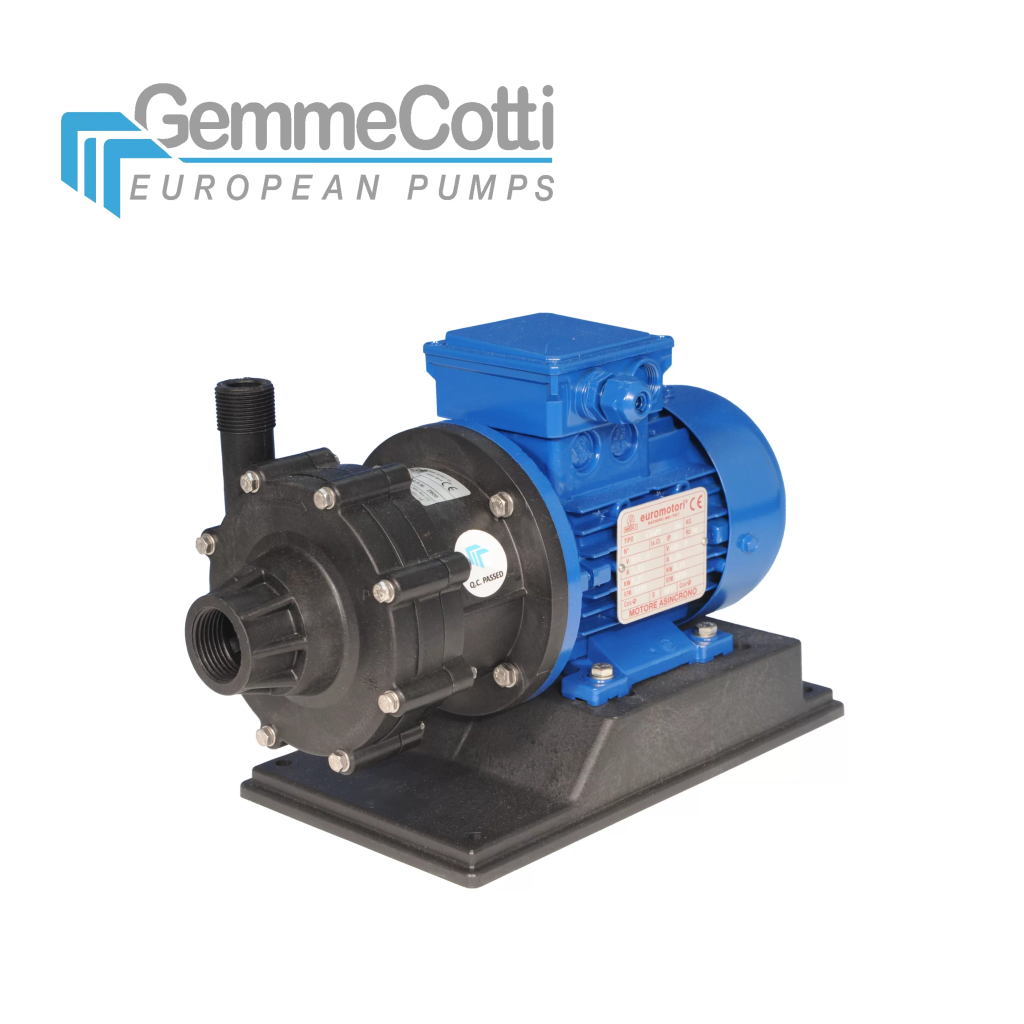
Gemmecotti Polypropylene Pumps in Singapore are designed for industrial applications where dependable handling of chemically aggressive liquids is required. Polypropylene is a thermoplastic material that can provide strong resistance to many acids, alkalis, salts, and other process chemicals. When combined with suitable pump engineering, polypropylene construction can help industries establish reliable fluid-transfer systems while reducing concerns associated with metallic corrosion.
Singapore has a highly developed industrial environment, including chemical manufacturing, electronics, semiconductor production, marine operations, wastewater treatment, and specialized process industries. These sectors frequently require pumps capable of handling challenging liquids. Consequently, Gemmecotti Polypropylene Pumps in Singapore can be considered for applications where conventional metallic pumps may not provide the desired level of corrosion resistance.
A properly selected pump should not only move liquid from one point to another. It should maintain consistent performance under the expected flow rate, pressure, temperature, chemical concentration, operating cycle, and installation conditions. This makes pump selection an important engineering decision.
Businesses looking for Gemmecotti Polypropylene Pumps in Singapore should therefore evaluate the complete application rather than selecting equipment based only on pump size or motor power. Fluid characteristics, suction conditions, discharge pressure, piping arrangement, operating temperature, and material compatibility all influence pump performance.
Understanding Polypropylene Pump Construction
Polypropylene, commonly abbreviated as PP, is a thermoplastic polymer widely used in industrial equipment because of its chemical resistance and relatively low weight. In pump construction, polypropylene can be used for wetted components that come into contact with process fluids.
The suitability of polypropylene depends on the specific chemical being pumped and the operating conditions. Different chemicals behave differently depending on concentration, temperature, pressure, and exposure time. Therefore, engineering verification is important before selecting any polypropylene pump for a critical application.
Gemmecotti Polypropylene Pumps in Singapore can be suitable for applications where corrosion-resistant construction is required and the process conditions fall within the manufacturer’s recommended operating range.
Some important characteristics associated with polypropylene construction include:
- Good resistance to many corrosive chemicals
- Low material weight
- Resistance to rust and metallic corrosion
- Suitable performance in various industrial environments
- Ease of handling during installation
- Compatibility with numerous chemical-processing applications
- Reduced concerns about conventional metal corrosion in appropriate applications
However, polypropylene should not automatically be considered compatible with every chemical. The actual compatibility must always be verified against the chemical composition and operating temperature.
For industries evaluating Gemmecotti Polypropylene Pumps in Singapore, understanding the difference between material resistance and complete pump suitability is particularly important. A pump may have a chemically resistant wetted material while still requiring the correct mechanical seal, diaphragm, gasket, valve, bearing arrangement, or other component for the specific process.
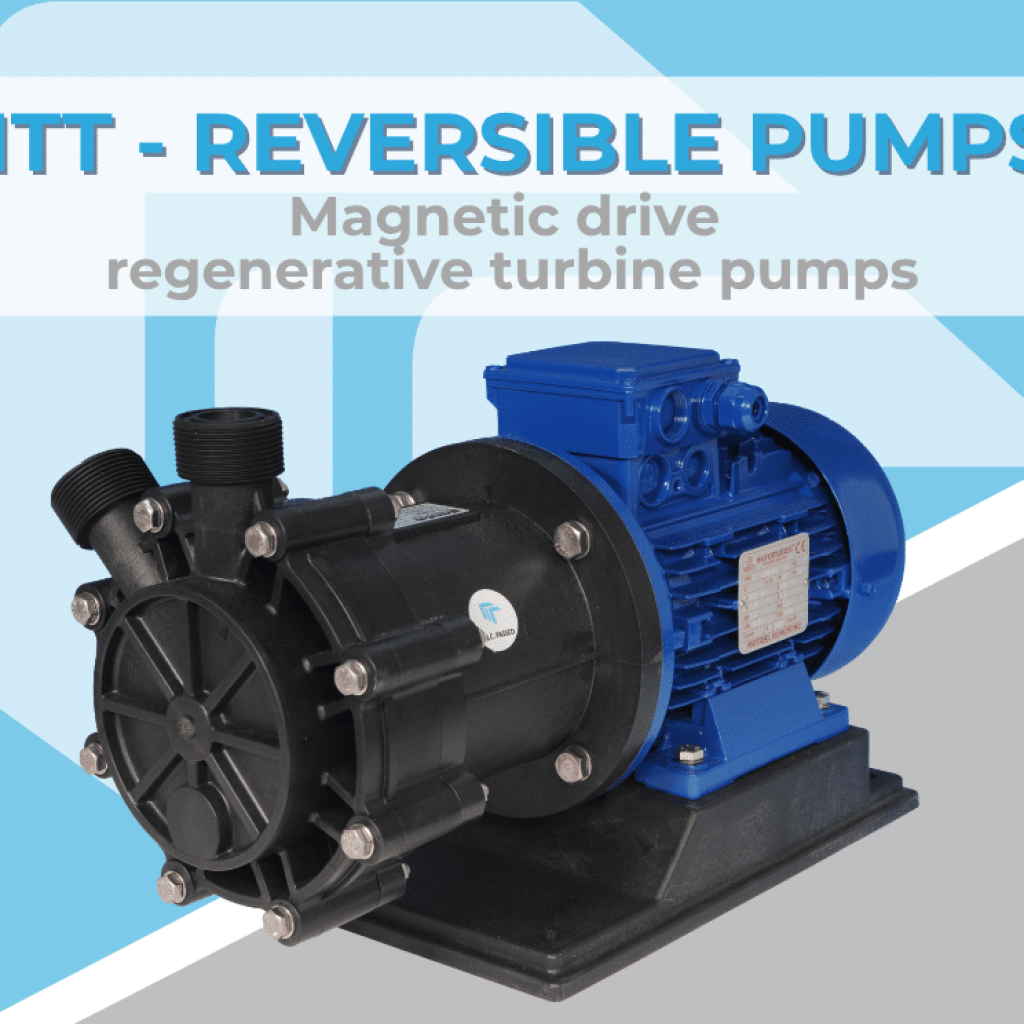
Why Polypropylene Pumps Are Important in Singapore Industries
Singapore’s industrial sector includes many applications involving chemicals and aggressive fluids. Manufacturing facilities may use acids, alkaline solutions, solvents, cleaning chemicals, wastewater streams, plating chemicals, and process liquids.
In such environments, corrosion can become a significant maintenance concern. Metallic components exposed to aggressive chemicals can deteriorate if the selected material is not compatible with the process fluid. Corrosion can result in leakage, reduced equipment life, contamination, unexpected shutdowns, and increased maintenance costs.
This is one reason Gemmecotti Polypropylene Pumps in Singapore can attract interest from industries requiring corrosion-resistant fluid-transfer equipment.
The benefits of using a suitable polypropylene pump can include improved resistance to specific process chemicals, reduced corrosion-related maintenance, and dependable operation when the equipment is properly selected and maintained.
Singapore facilities also frequently operate in space-constrained environments. Equipment that is relatively lightweight and compact can provide practical installation advantages. Nevertheless, pump dimensions, piping arrangement, access requirements, ventilation, electrical classification, and maintenance clearance must all be considered.
Applications of Gemmecotti Polypropylene Pumps in Singapore
The potential applications of Gemmecotti Polypropylene Pumps in Singapore extend across several industrial sectors. The exact application suitability depends on the pump design and process conditions.
1. Chemical Processing
Chemical processing is one of the most important applications for corrosion-resistant pumps. Chemical plants may need to transfer acids, alkaline liquids, chemical solutions, additives, and other aggressive fluids.
A suitable polypropylene pump can help move these fluids between storage tanks, process vessels, treatment systems, and production lines.
When specifying Gemmecotti Polypropylene Pumps in Singapore for chemical processing, engineers should evaluate:
- Chemical composition
- Concentration
- Operating temperature
- Required flow rate
- Discharge pressure
- Pumping frequency
- Specific gravity
- Viscosity
- Presence of solids
- Suction conditions
These factors can affect both pump performance and service life.
2. Wastewater Treatment
Wastewater treatment facilities often handle liquids containing chemicals, dissolved solids, contaminants, and varying pH levels. Chemical dosing and transfer are also common in water-treatment systems.
Depending on the process, polypropylene pumps may be considered for transferring chemical solutions used in neutralization, disinfection, pH adjustment, and other treatment processes.
Gemmecotti Polypropylene Pumps in Singapore can therefore be evaluated for suitable wastewater and chemical-treatment applications where the fluid and operating conditions are compatible with polypropylene construction.
3. Surface Treatment
Surface treatment industries can use aggressive chemical solutions for cleaning, degreasing, etching, plating, and other manufacturing processes.
These processes may require corrosion-resistant equipment because the fluids can be highly reactive.
Polypropylene pump construction can be advantageous in selected surface-treatment applications because the material does not experience conventional metallic rust.
Before specifying Gemmecotti Polypropylene Pumps in Singapore, the process engineer should verify the chemical compatibility of all wetted components.
4. Semiconductor and Electronics Manufacturing
Singapore is an important hub for electronics and semiconductor manufacturing. These facilities can require highly controlled chemical processes and specialized fluid-handling systems.
Chemical transfer applications can include cleaning, etching, treatment, and wastewater handling.
Because process chemicals can be aggressive, corrosion resistance becomes a key consideration when selecting pumping equipment.
Gemmecotti Polypropylene Pumps in Singapore may be considered for appropriate chemical-transfer applications within these industries, subject to material compatibility and process requirements.
5. Pharmaceutical and Specialty Manufacturing
Pharmaceutical and specialty chemical facilities require careful control of process conditions. Depending on the application, corrosion-resistant pumps may be required for chemical transfer, wastewater handling, utility processes, and other non-product-contact applications.
Pump selection should consider hygiene requirements, chemical compatibility, cleaning procedures, operating temperatures, and regulatory requirements relevant to the particular process.
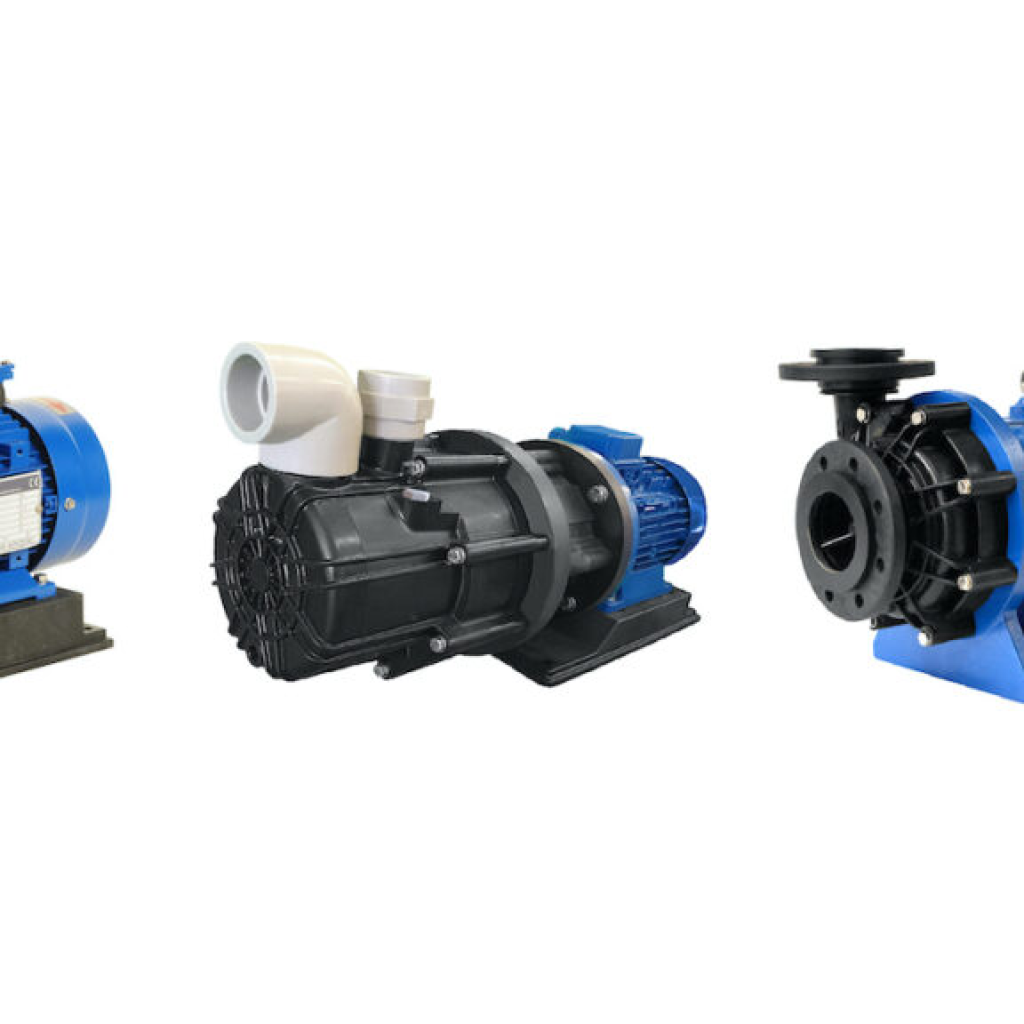
Key Advantages of Polypropylene Pump Systems
The popularity of polypropylene in chemical-handling equipment is associated with several material characteristics.
Corrosion Resistance
One of the primary advantages is resistance to corrosion from many chemicals.
Unlike conventional steel equipment, polypropylene does not rust in the same way as ferrous metals. This can be particularly useful in environments where acidic or alkaline fluids are present.
For companies considering Gemmecotti Polypropylene Pumps in Singapore, corrosion resistance can be an important factor in equipment selection.
Lightweight Construction
Polypropylene is considerably lighter than many metallic materials. Lightweight equipment can simplify transportation, handling, installation, and maintenance.
This can be beneficial in industrial facilities where pumps are installed in elevated locations or compact equipment rooms.
However, lightweight construction does not mean that installation requirements can be ignored. Proper supports, alignment, piping connections, vibration control, and anchoring remain important.
Chemical Compatibility
Polypropylene can be compatible with a broad range of industrial chemicals. However, compatibility varies according to the chemical, concentration, temperature, and exposure conditions.
For this reason, Gemmecotti Polypropylene Pumps in Singapore should always be selected based on actual process data rather than general assumptions about polypropylene.
Reduced Rust Concerns
Metallic corrosion can create maintenance problems and may contaminate certain process fluids. Polypropylene eliminates the conventional rusting mechanism associated with iron-based materials.
This can make polypropylene an attractive construction material for selected chemical applications.
Selecting the Right Gemmecotti Polypropylene Pump
Selecting Gemmecotti Polypropylene Pumps in Singapore requires more than identifying the desired flow rate.
A proper pump selection should begin with a complete understanding of the application.
Flow Rate
Flow rate determines how much liquid needs to be transferred within a specified period. It may be expressed in litres per minute, cubic metres per hour, or another suitable unit.
An undersized pump may not meet process requirements, while an oversized pump can consume unnecessary energy and may create excessive flow or pressure.
Head and Pressure
Pump head represents the energy required to move the fluid through the system. Static elevation, pipe friction, valves, fittings, filters, and other components contribute to the total dynamic requirement.
When selecting Gemmecotti Polypropylene Pumps in Singapore, the required operating point should be carefully established.
Chemical Characteristics
Chemical compatibility is one of the most important considerations.
The following information should be available:
- Chemical name
- Concentration
- Temperature
- Specific gravity
- Viscosity
- pH
- Presence of suspended solids
- Vapour pressure where relevant
Providing accurate fluid information helps engineers determine whether polypropylene is appropriate.
Temperature
Temperature can significantly influence the performance and chemical resistance of polymeric materials.
A chemical that is compatible with polypropylene at one temperature may behave differently at a higher temperature.
Therefore, operating temperature should always be included in the pump selection process.
Suction Conditions
Suction conditions are critical for reliable pump operation. Poor suction piping, excessive lift, insufficient liquid level, or excessive restriction can contribute to cavitation and reduced pump performance.
Before installing Gemmecotti Polypropylene Pumps in Singapore, the suction-side design should be checked carefully.
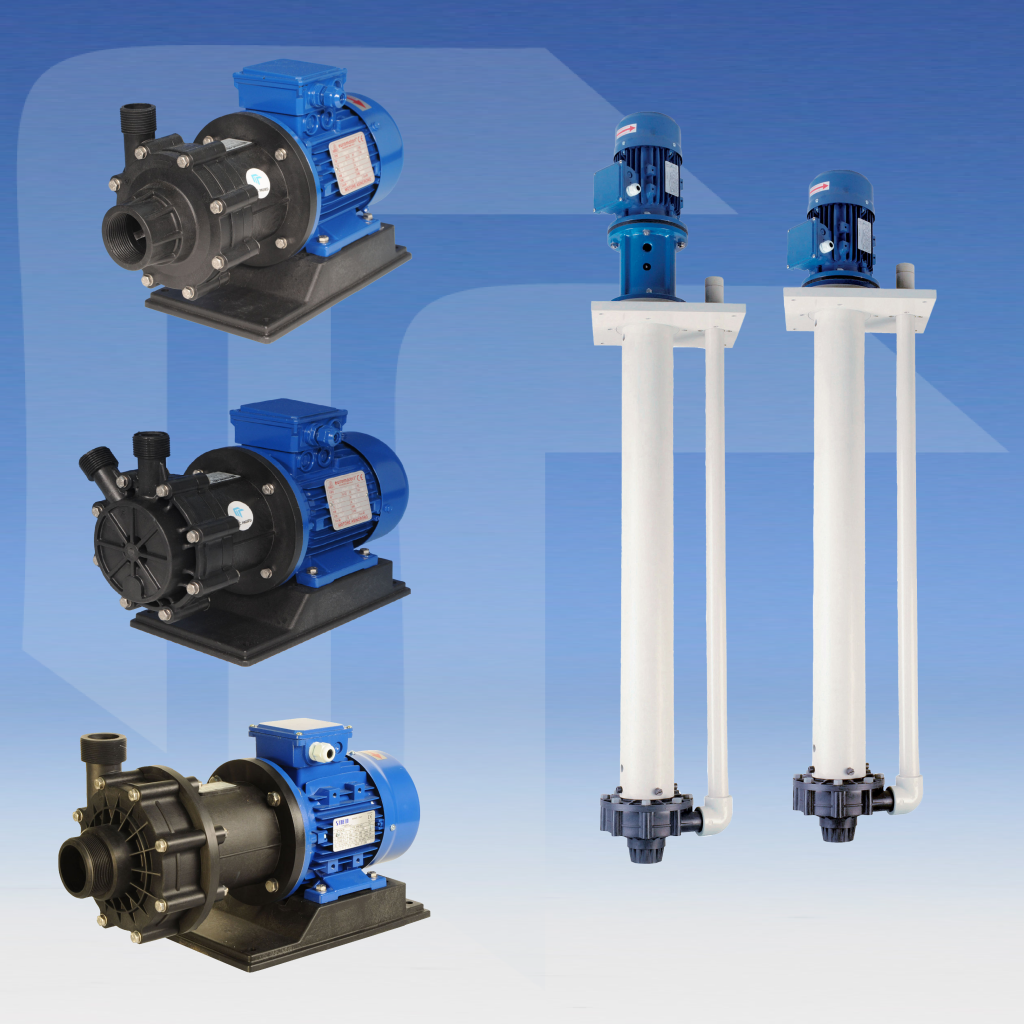
Mechanical and Installation Considerations
Correct installation is essential to obtain reliable performance from any industrial pump.
Even a high-quality pump can experience problems if it is installed incorrectly.
The installation should consider:
- Proper foundation or support
- Correct piping alignment
- Suitable pipe diameter
- Appropriate valves
- Proper suction arrangement
- Adequate ventilation
- Electrical supply requirements
- Accessibility for maintenance
- Vibration control
- Safe chemical-handling procedures
When installing Gemmecotti Polypropylene Pumps in Singapore, the piping should not impose excessive mechanical loads on pump connections.
Piping should be independently supported wherever necessary so that the pump casing and connections are not subjected to unnecessary stress.
Importance of Proper Piping Design
Pump performance depends heavily on the piping system.
A pipe that is too small can create excessive friction losses. Excessive bends, restrictive valves, unsuitable fittings, or poorly designed suction lines can also affect performance.
The suction line is particularly important.
A good suction arrangement generally aims to minimize unnecessary pressure losses and maintain stable flow conditions entering the pump.
For Gemmecotti Polypropylene Pumps in Singapore, engineers should also consider the compatibility of the connected piping, valves, gaskets, and fittings with the pumped chemical.
It is not enough for the pump itself to be chemically resistant if the surrounding piping system is vulnerable to the same fluid.
Maintenance of Polypropylene Pumps
Routine maintenance is essential for reliable pump operation.
A preventive maintenance program can help identify developing issues before they become major failures.
Typical maintenance activities can include:
- Checking for leakage
- Inspecting seals
- Checking connections
- Monitoring abnormal vibration
- Monitoring operating noise
- Checking motor condition
- Inspecting valves where applicable
- Checking pump performance
- Inspecting piping
- Cleaning process-related deposits
- Reviewing operating records
For facilities using Gemmecotti Polypropylene Pumps in Singapore, maintenance intervals should be based on manufacturer recommendations and actual operating conditions.
Chemical exposure, operating hours, temperature, pressure, and process contamination can all affect maintenance requirements.
Preventive Maintenance Benefits
Preventive maintenance can provide several operational benefits.
It can help reduce unexpected equipment failures, identify wear early, maintain operating efficiency, and improve equipment availability.
A maintenance team can record important operating parameters such as:
- Flow rate
- Pressure
- Motor current
- Temperature
- Vibration
- Leakage
- Operating hours
Changes in these parameters can sometimes indicate developing problems.
For example, a gradual reduction in flow may indicate a blockage, valve issue, piping restriction, wear, or another system problem.
Regular inspection of Gemmecotti Polypropylene Pumps in Singapore can therefore contribute to a more reliable industrial pumping system.
Energy Efficiency Considerations
Energy consumption is an important factor in industrial pump operation.
The energy required by a pumping system depends on factors such as flow, pressure, fluid properties, pump efficiency, motor efficiency, operating hours, and system design.
Selecting a pump close to the actual required operating point can help avoid unnecessary energy consumption.
An oversized pump may operate away from its optimal point. In some systems, throttling the discharge valve to control excessive flow can also result in wasted energy.
For users evaluating Gemmecotti Polypropylene Pumps in Singapore, energy efficiency should therefore be considered during the initial system-design stage rather than after installation.
Why Correct Pump Sizing Matters
Pump sizing has a direct impact on reliability.
A pump that is too small may struggle to meet process requirements. A pump that is too large can result in higher capital costs, increased energy consumption, excessive flow, and potentially unsuitable operating conditions.
Correct sizing requires accurate information about the entire pumping system.
This includes:
- Required flow
- Total head
- Pipe length
- Pipe diameter
- Static elevation
- Fluid properties
- Operating temperature
- Required duty cycle
- Suction conditions
- Chemical concentration
A professional assessment of these factors can help identify the appropriate Gemmecotti Polypropylene Pumps in Singapore for the intended application.
Chemical Compatibility and Pump Selection
Chemical compatibility is one of the most important considerations when selecting industrial pumping equipment. A pump that is mechanically capable of achieving the required flow and pressure may still be unsuitable if its wetted components are not compatible with the pumped liquid.
For businesses evaluating Gemmecotti Polypropylene Pumps in Singapore, the chemical composition of the liquid should be established before selecting the pump. Important parameters include chemical concentration, temperature, viscosity, specific gravity, pH, suspended solids, and operating pressure.
Polypropylene can provide good resistance to many acids, alkalis, salts, and chemical solutions. However, no material should be considered universally resistant. The actual chemical compatibility should always be confirmed for the particular operating conditions.
Factors Affecting Chemical Compatibility
Several factors can influence polypropylene performance:
- Chemical concentration
- Fluid temperature
- Exposure duration
- Chemical mixture
- Pressure
- Mechanical stress
- Operating frequency
- Presence of abrasive particles
For example, a chemical solution at ambient temperature may behave differently when operated at an elevated temperature. Consequently, simply identifying the chemical name is not always sufficient for pump selection.
When specifying Gemmecotti Polypropylene Pumps in Singapore, users should provide complete process information to the pump supplier or engineering team. This allows the pump configuration and wetted materials to be assessed properly.
Gemmecotti Polypropylene Pumps for Acid Transfer
Acid transfer is a common industrial requirement in chemical processing, metal finishing, surface treatment, water treatment, and manufacturing facilities.
Acids can attack unsuitable metallic components, potentially causing corrosion, leakage, contamination, and premature equipment failure.
For appropriate applications, polypropylene construction can offer a practical alternative.
Gemmecotti Polypropylene Pumps in Singapore can be considered for acid-transfer duties when the specific acid, concentration, temperature, and pump configuration are compatible with polypropylene.
Common industrial acids may include hydrochloric acid, sulfuric acid, nitric acid, phosphoric acid, and other process chemicals. However, compatibility varies significantly between chemicals and operating conditions.
Therefore, the correct approach is to verify the exact application before selecting the pump.
Pumps for Alkali and Chemical Solutions
Industrial facilities also transfer alkaline solutions, cleaning chemicals, neutralizing agents, and process additives.
Polypropylene can be suitable for various alkaline applications because of its resistance to many chemical environments.
For industries searching for Gemmecotti Polypropylene Pumps in Singapore, alkaline fluid transfer can represent another potential application.
Examples can include:
- Chemical dosing
- Cleaning systems
- Neutralization processes
- Wastewater treatment
- Industrial washing systems
- Surface preparation
- Chemical storage transfer
The actual pump selection should be based on the fluid concentration, temperature, flow, pressure, and system configuration.
Applications in Chemical Storage and Transfer
Chemical storage systems commonly require pumps to move liquids from storage tanks to process equipment.
A typical arrangement may include:
Storage Tank → Suction Piping → Pump → Discharge Piping → Process Equipment
The pump must be capable of operating reliably under the suction conditions created by the storage tank.
In some installations, the tank may be positioned above the pump, allowing gravity-assisted suction. In other systems, the pump may need to lift liquid from a lower tank.
The difference between these arrangements can significantly affect pump performance.
When designing systems using Gemmecotti Polypropylene Pumps in Singapore, engineers should carefully evaluate suction lift, available NPSH, pipe length, pipe diameter, fittings, valves, and liquid temperature.
Importance of NPSH in Pump Operation
Net Positive Suction Head, commonly known as NPSH, is an important consideration in pump engineering.
Insufficient suction conditions can cause cavitation. Cavitation occurs when local pressure falls sufficiently for vapor bubbles to form and subsequently collapse.
Possible symptoms include:
- Unusual noise
- Vibration
- Reduced flow
- Reduced pump performance
- Damage to internal components
- Unstable operation
For Gemmecotti Polypropylene Pumps in Singapore, proper suction-system design is therefore essential.
The pump should be installed according to the manufacturer’s recommended operating conditions. Suction piping should generally be designed to minimize unnecessary pressure losses.
Industrial Water Treatment Applications
Water treatment facilities frequently use chemical-transfer pumps for processes such as pH correction, disinfection, coagulation, and chemical conditioning.
Depending on the chemical being transferred, polypropylene pumps can be useful in these systems.
A water-treatment plant may include several separate chemical systems, including:
- Acid storage
- Alkali storage
- Coagulant dosing
- Disinfectant systems
- Neutralization tanks
- Wastewater treatment
- Sludge-related chemical treatment
Gemmecotti Polypropylene Pumps in Singapore can be evaluated for suitable chemical-transfer duties within such systems.
However, each chemical should be assessed independently because different fluids can have different compatibility requirements.
Surface Treatment and Plating Industries
Surface treatment facilities often handle highly aggressive chemical solutions.
Processes such as electroplating, anodizing, pickling, etching, degreasing, and chemical cleaning may involve corrosive fluids.
Equipment installed in these environments must withstand both chemical exposure and the surrounding industrial conditions.
Gemmecotti Polypropylene Pumps in Singapore can be considered for suitable liquid-transfer duties in surface-treatment operations where polypropylene compatibility has been confirmed.
A reliable pump can support consistent movement of process liquids between tanks and treatment systems.
Semiconductor Manufacturing Applications
Singapore’s semiconductor industry requires highly controlled manufacturing environments. Chemical handling is an important part of many semiconductor-related processes.
Depending on the application, pumping systems may be used for:
- Chemical transfer
- Process wastewater
- Cleaning systems
- Treatment systems
- Utility processes
- Chemical storage transfer
Material compatibility and process reliability are particularly important in these environments.
Companies evaluating Gemmecotti Polypropylene Pumps in Singapore for electronics or semiconductor-related applications should carefully define the fluid specifications and cleanliness requirements before equipment selection.
Pump Installation Best Practices
Correct installation can significantly influence the service life and reliability of an industrial pump.
The installation process should begin by reviewing the pump documentation, process requirements, piping arrangement, electrical requirements, and safety procedures.
Installation Checklist
Before installing Gemmecotti Polypropylene Pumps in Singapore, consider the following:
- Verify pump model and specifications.
- Confirm chemical compatibility.
- Inspect the pump for transportation damage.
- Check suction and discharge connections.
- Ensure proper foundation or support.
- Confirm piping alignment.
- Install appropriate valves.
- Check electrical supply.
- Verify motor rotation where applicable.
- Confirm that the pump can be safely accessed for maintenance.
The pump should not be forced into alignment by tightening pipe connections. Pipe supports should carry the weight of the piping system.
Piping Arrangement
Piping design is a major component of pump-system reliability.
Improperly designed piping can increase friction losses, create turbulence, introduce air pockets, and reduce pump performance.
The suction line should generally be designed with minimal unnecessary restrictions.
Important considerations include:
- Pipe diameter
- Pipe length
- Number of elbows
- Valve type
- Valve position
- Pipe elevation
- Tank outlet configuration
- Liquid level
- Suction lift
For Gemmecotti Polypropylene Pumps in Singapore, piping materials should also be selected according to the chemical being transferred.
Electrical Requirements
Many industrial pump systems use electric motors. Electrical installation should be performed by qualified personnel according to applicable requirements.
Before starting the pump, technicians should verify:
- Correct voltage
- Correct frequency
- Motor rating
- Cable sizing
- Protective devices
- Earthing
- Motor rotation
- Control-panel configuration
Where the installation is located in a hazardous environment, the electrical equipment and installation method must comply with the applicable hazardous-area requirements.
The electrical requirements should be confirmed before purchasing or installing Gemmecotti Polypropylene Pumps in Singapore.
Pump Start-Up Procedure
A proper start-up procedure helps prevent avoidable damage.
Before starting the pump, the operator should confirm that:
- The pump is correctly installed.
- Suction piping is properly connected.
- The process liquid is available.
- Required valves are correctly positioned.
- The pump is appropriately primed where required.
- There are no visible leaks.
- Electrical connections are secure.
- Rotation is correct where applicable.
- The discharge system is ready.
Starting a pump without sufficient liquid can cause serious operating problems depending on the pump design.
Therefore, the manufacturer’s start-up instructions should always be followed.
Common Pump Problems and Troubleshooting
Even a correctly selected pump can experience operational problems if the surrounding system is not properly maintained.
Common issues include:
Low Flow
Low flow can be caused by:
- Blocked suction piping
- Closed or partially closed valves
- Incorrect pump selection
- Excessive system resistance
- Insufficient suction conditions
- Damaged internal components
- Air entering the system
Excessive Noise
Unusual noise may indicate:
- Cavitation
- Bearing problems
- Mechanical issues
- Air entering the pump
- Incorrect installation
- Pipe vibration
Excessive Vibration
Vibration can result from:
- Poor mounting
- Misalignment
- Pipe stress
- Mechanical wear
- Cavitation
- Unbalanced rotating components
For users operating Gemmecotti Polypropylene Pumps in Singapore, unusual vibration should not be ignored. Early inspection can help prevent more serious equipment damage.
Leakage Prevention
Chemical leakage is a major safety and environmental concern.
Pump connections, seals, gaskets, valves, and piping should be inspected regularly.
If leakage is detected, the system should be safely isolated before maintenance begins.
Personnel should follow the site’s chemical-handling procedures and use appropriate personal protective equipment.
The selection of suitable seals and gaskets is also important because the pump body material alone does not determine complete chemical compatibility.
For this reason, Gemmecotti Polypropylene Pumps in Singapore should be specified together with appropriate compatible sealing components.
Importance of Spare Parts
Industrial facilities often keep critical spare parts available to reduce downtime.
Depending on the pump design, recommended spare parts may include:
- Seals
- Gaskets
- Diaphragms where applicable
- Valves
- O-rings
- Bearings
- Coupling components
- Fasteners
- Other wear components
The exact spare-parts requirement depends on the pump model and operating conditions.
Keeping appropriate spares for Gemmecotti Polypropylene Pumps in Singapore can help maintenance teams respond more quickly to unexpected issues.
Preventive Maintenance Planning
Preventive maintenance should be planned according to operating hours and application conditions.
A maintenance schedule can include daily, weekly, monthly, quarterly, and annual checks.
Daily Checks
Operators can inspect:
- Leakage
- Noise
- Vibration
- Flow
- Pressure
- Motor condition
Periodic Checks
Maintenance teams can inspect:
- Seals
- Connections
- Piping
- Valves
- Electrical components
- Mounting
- Couplings
- General pump condition
A structured maintenance plan can improve the reliability of Gemmecotti Polypropylene Pumps in Singapore and reduce the likelihood of unexpected shutdowns.
Safety When Handling Chemical Pumps
Chemical pumping systems require appropriate safety controls.
Before maintenance, operators should understand:
- What chemical is being handled
- Chemical hazards
- Required PPE
- Isolation procedures
- Drainage requirements
- Spill-control procedures
- Emergency response procedures
The pump should be isolated from the process before opening any component that could contain pressurized or hazardous liquid.
Personnel should never assume that a pump is safe simply because the motor has been switched off.
Mechanical isolation and chemical isolation may both be necessary.
Environmental Benefits of Reliable Pumping
Reliable pumping systems can contribute to better environmental management by reducing leaks, minimizing chemical losses, and improving process control.
A well-maintained pump can help maintain consistent process conditions.
In applications involving wastewater treatment or chemical recovery, reliable pumping can also support effective treatment and resource management.
For companies using Gemmecotti Polypropylene Pumps in Singapore, environmental performance should be considered alongside mechanical performance.
Total Cost of Ownership
The purchase price is only one component of pump ownership cost.
A more complete evaluation should consider:
- Initial equipment cost
- Installation cost
- Energy consumption
- Maintenance
- Spare parts
- Downtime
- Expected service life
- Process reliability
A pump with a slightly higher initial purchase cost may provide better long-term value if it delivers reliable performance and lower maintenance requirements.
Therefore, companies comparing Gemmecotti Polypropylene Pumps in Singapore should consider total cost of ownership rather than focusing exclusively on initial price.
Choosing a Pump Supplier in Singapore
Selecting the right supplier can be as important as selecting the pump itself.
An experienced industrial pump supplier should be able to assist with:
- Application assessment
- Pump selection
- Material compatibility
- Flow and head calculations
- Technical documentation
- Installation guidance
- Spare-parts support
- Maintenance
- Troubleshooting
For businesses sourcing Gemmecotti Polypropylene Pumps in Singapore, technical support can make the purchasing process more effective and reduce the risk of selecting unsuitable equipment.
A supplier should be able to understand the difference between a standard pump requirement and a specialized chemical-transfer application.
Technical Information Required for a Pump Quotation
When requesting a quotation for Gemmecotti Polypropylene Pumps in Singapore, providing complete technical information can help suppliers recommend suitable equipment.
Useful information includes:
Pump Application:
Describe where the pump will be installed and what process it will serve.
Fluid:
Provide the exact chemical name and composition.
Concentration:
State the chemical concentration.
Temperature:
Provide minimum, normal, and maximum operating temperature where available.
Flow Rate:
Specify the required flow rate.
Pressure or Head:
Provide discharge pressure or total dynamic head.
Specific Gravity:
State the fluid specific gravity.
Viscosity:
Provide viscosity if different from water.
Suction Conditions:
Mention tank elevation, suction lift, and available suction pressure.
Operating Hours:
Indicate expected daily or continuous operating hours.
This information allows the supplier to assess the appropriate pump configuration.
Why Application Engineering Matters
Industrial pumping is not simply a matter of selecting equipment based on a catalogue photograph.
A pump system consists of interconnected components. The pump, motor, piping, valves, tanks, instrumentation, electrical system, and process conditions all influence performance.
This is why application engineering is important when selecting Gemmecotti Polypropylene Pumps in Singapore.
An engineering-based approach can help identify potential problems before installation.
For example, a pump may appear suitable based on flow and pressure alone, but the actual application may have excessive suction lift or an incompatible seal material.
Early engineering review can prevent these issues.
Conclusion
Polypropylene pumps can provide valuable solutions for industries handling corrosive and chemically aggressive liquids. Their chemical resistance, lightweight construction, and suitability for various industrial applications make them an important option for selected chemical-transfer systems.
Gemmecotti Polypropylene Pumps in Singapore can be considered across chemical processing, wastewater treatment, surface treatment, electronics manufacturing, semiconductor-related processes, and other applications where polypropylene compatibility has been confirmed.
However, reliable performance depends on correct pump selection, suitable chemical compatibility, proper installation, appropriate piping, correct operating conditions, and regular preventive maintenance.
Businesses searching for Gemmecotti Polypropylene Pumps in Singapore should therefore work with technically capable pump professionals who can assess the complete application rather than simply supplying a pump based on flow rate.
Polypropylene pumps can provide an effective solution for many industrial fluid-transfer applications where chemical resistance is an important requirement. Their lightweight construction, resistance to many corrosive chemicals, and suitability for selected industrial processes make them valuable in chemical handling, wastewater treatment, surface treatment, electronics manufacturing, and other sectors.
Gemmecotti Polypropylene Pumps in Singapore can be evaluated for demanding industrial applications where reliable chemical-fluid transfer is required. However, successful pump selection depends on matching the pump construction and operating characteristics with the actual process conditions.
Companies considering Gemmecotti Polypropylene Pumps in Singapore should evaluate chemical compatibility, flow requirements, pressure, temperature, suction conditions, piping design, installation requirements, and maintenance needs before finalizing equipment.
Contact Information:
- Website: https://flomek.com
- Email: sales@flomek.com
- Phone: +65 1234 5678
- Address: 123 Industrial Avenue, Singapore 567890
Get in touch with us today to discuss your project or request a quote. Let Flomek help you find the perfect pump solution to keep your operations flowing smoothly. Pump manufacture in yishun
Also Read – Best pump services Pump manufacture in yishun
Copyright © Flomek 2024, All Right Reserved.Designed and Developed by ❤️ Krigo Softwares


Leave A Reply