





Pressure Vessel Supplier Singapore – Singapore’s No 1 Best Pump service & supplier
Comprehensive Industrial Engineering Guide: Choosing the Right Pressure Vessel Supplier Singapore
1. Introduction: Singapore’s Industrial Landscape and Infrastructure
Singapore remains a global powerhouse for industrial engineering, chemical processing, maritime operations, and pharmaceutical manufacturing. As an island nation with limited land space but an incredibly dense distribution of capital-intensive industries, operational safety, efficiency, and technological superiority are critical. Across Jurong Island, the Tuas biomedical cluster, and the sprawling shipyards of Keppel and Jurong, heavy engineering components form the quiet backbone of the economy. Among these components, none require a higher degree of precision, regulatory adherence, and structural integrity than pressure vessels.
A pressure vessel is a container designed to hold gases or liquids at a pressure substantially different from the ambient pressure. Because of the immense stored energy within these systems, any structural compromise can result in catastrophic failure, leading to massive property damage, environmental hazards, and tragic loss of life. Consequently, sourcing these components requires meticulous vetting of engineering capabilities. Partnering with a qualified Pressure Vessel Supplier Singapore is not merely a commercial procurement task; it is a foundational risk-management decision that dictates the safety and efficiency of your plant operations for decades.
This comprehensive guide serves as an exhaustive blueprint for plant managers, procurement officers, EPC (Engineering, Procurement, and Construction) contractors, and mechanical engineers operating within Southeast Asia. We delve deep into the mechanical principles, regulatory compliance frameworks, material sciences, and selection criteria necessary to safely choose and collaborate with a premier Pressure Vessel Supplier Singapore.
2. Understanding Pressure Vessels: Definition, Fundamentals, and Physics
To effectively collaborate with a professional Pressure Vessel Supplier Singapore, it is first essential to grasp the core mechanical engineering principles that govern these specialized systems. By definition, a pressure vessel operates under internal or external differential pressures. The engineering mechanics of these configurations are dictated by the laws of thermodynamics, fluid dynamics, and materials science.
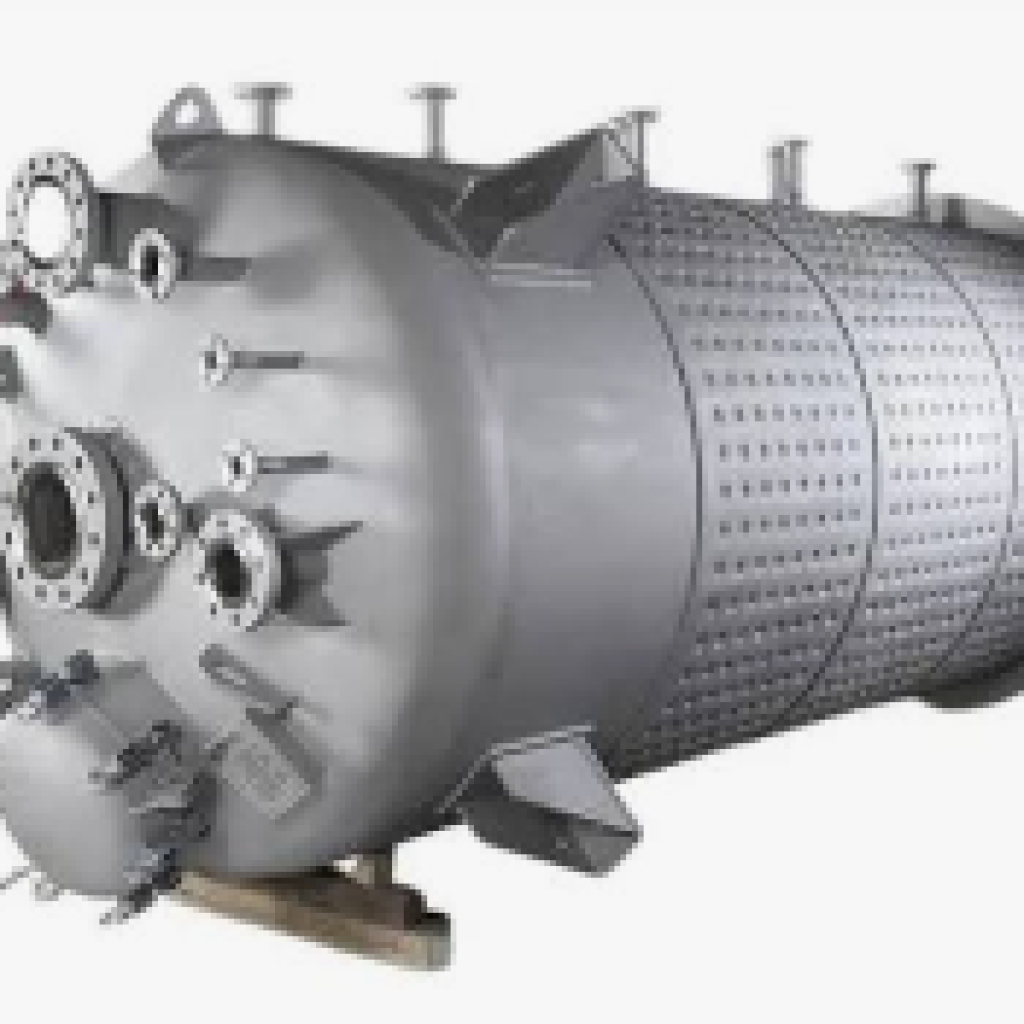
The Physics of Stress Distribution
When a vessel is pressurized, the internal fluid exerts uniform forces against the containment walls. This creates structural stresses within the material, primarily categorized as:
- Hoop Stress (Circumferential Stress): The stress acting tangential to the circumference of the cylinder shell. For a thin-walled cylindrical vessel, it is calculated using the formula:$$\sigma_h = \frac{P \cdot D}{2t}$$Where $P$ is the internal design pressure, $D$ is the mean diameter of the shell, and $t$ is the wall thickness.
- Longitudinal Stress (Axial Stress): The stress acting parallel to the longitudinal axis of the cylinder. It is expressed as:$$\sigma_l = \frac{P \cdot D}{4t}$$
Because hoop stress is twice the magnitude of longitudinal stress, the longitudinal seams of a cylindrical vessel are subjected to double the loading of the circumferential seams. An experienced Pressure Vessel Supplier Singapore uses these calculations to determine the minimal allowable wall thickness, factoring in additional variables such as the joint efficiency of welds and corrosion allowances over the vessel’s operational lifecycle.
                  ▲ Hoop Stress (Tangential)
                  │
        ┌─────────┴─────────┐
        │                   │ ◄─── Longitudinal Stress (Axial)
        │  Pressure Vessel  │
        │                   │
        └───────────────────┘
Geometric Configurations
Pressure vessels are typically constructed in three geometric shapes, each offering distinct manufacturing and structural benefits:
- Cylindrical Vessels: The most common industrial configuration. Cylindrical shells balance manufacturing simplicity with structural efficiency. They feature a central cylinder capped with formed heads (ends).
- Spherical Vessels: Structurally, the sphere is the ideal shape for resisting internal pressure, as the stress is distributed equally across the entire surface. The wall thickness required is half that of a cylindrical vessel for the same pressure and diameter. However, spherical vessels are highly complex and expensive to fabricate, making them suitable primarily for massive, high-pressure bulk storage of liquefied gases.
- Rectangular/Square Vessels: Rarely used for high-pressure applications due to severe stress concentrations at the corners. They are typically reserved for low-pressure or vacuum chambers where spatial constraints dictate flat surfaces.
3. Why Choosing the Right Pressure Vessel Supplier Singapore Matters
In an open global economy, procurement teams are often tempted to source industrial equipment from low-cost manufacturing hubs across Asia. However, pressure equipment carries unique liabilities. Sourcing locally or via an established, accredited Pressure Vessel Supplier Singapore offers distinct strategic, technical, and regulatory advantages that far outweigh marginal upfront cost savings.
Proximity to Stringent Regulatory Oversight
Singapore’s Ministry of Manpower (MOM) enforces some of the strictest workplace safety and health regulations in the world. Any pressure system operating above a specified threshold must be registered as a statutory vessel. A domestic Pressure Vessel Supplier Singapore possesses intimate, localized knowledge of the Workplace Safety and Health (General Provisions) Regulations. They work hand-in-hand with Authorized Examiners (AEs) approved by MOM to ensure that design approvals, fabrication inspections, and hydrostatic testing procedures are executed flawlessly before the vessel arrives on-site.
Eliminating Logistics and Supply Chain Risks
Pressure vessels are inherently bulky, heavy, and difficult to transport. Importing an oversized vessel requires specialized ocean freight, port clearance, and complex route planning through urban spaces. A localized Pressure Vessel Supplier Singapore mitigates these supply chain risks. They have the logistics networks to handle heavy-lift transport within Singapore seamlessly, avoiding costly demurrage fees, customs delays, and the risk of transit damage to precision-machined nozzle faces and internal linings.
| Sourcing Aspect | Local Singapore Supplier | Low-Cost Overseas Import |
| MOM Compliance Approval | Handled directly; seamless alignment with Authorized Examiners. | Often requires third-party brokers; high risk of documentation rejection. |
| On-Site Inspection & Audit | Easily accessible for client QA/QC inspectors during critical hold points. | Requires expensive international travel; complex coordination across time zones. |
| Emergency Engineering Support | Rapid deployment of engineers for modification, repair, or troubleshooting. | Extended downtime waiting for fly-in technicians or localized subcontractors. |
| Lead Time Reliability | Managed within predictable local transport networks. | Subject to global shipping disruptions, port congestion, and customs holdups. |
Engineering Adaptation for Tropical Environments
Singapore features a highly corrosive, humid, tropical maritime environment. Industrial plants located near coastlines are continuously exposed to high humidity and airborne chlorides. An experienced Pressure Vessel Supplier Singapore understands how to design equipment to withstand these ambient conditions. This includes specifying specialized external coating systems, designing proper insulation supports to prevent Corrosion Under Insulation (CUI), and selecting appropriate backing materials for saddle supports to stop galvanic corrosion.
4. Types of Pressure Vessels Available in Singapore
Industrial applications require diverse pressure containment configurations. A versatile Pressure Vessel Supplier Singapore must possess the engineering acumen to design, fabricate, and test a wide spectrum of vessels tailored to specific process parameters.
1. Process Reactors
Reactors are the heart of chemical and pharmaceutical synthesis. These vessels are designed to withstand internal pressure while facilitating complex chemical transformations under controlled thermal conditions. They often feature:
- Agitator Systems: Internal impellers to maintain uniform mixing, requiring heavy-reinforced top nozzles to withstand dynamic mechanical torque.
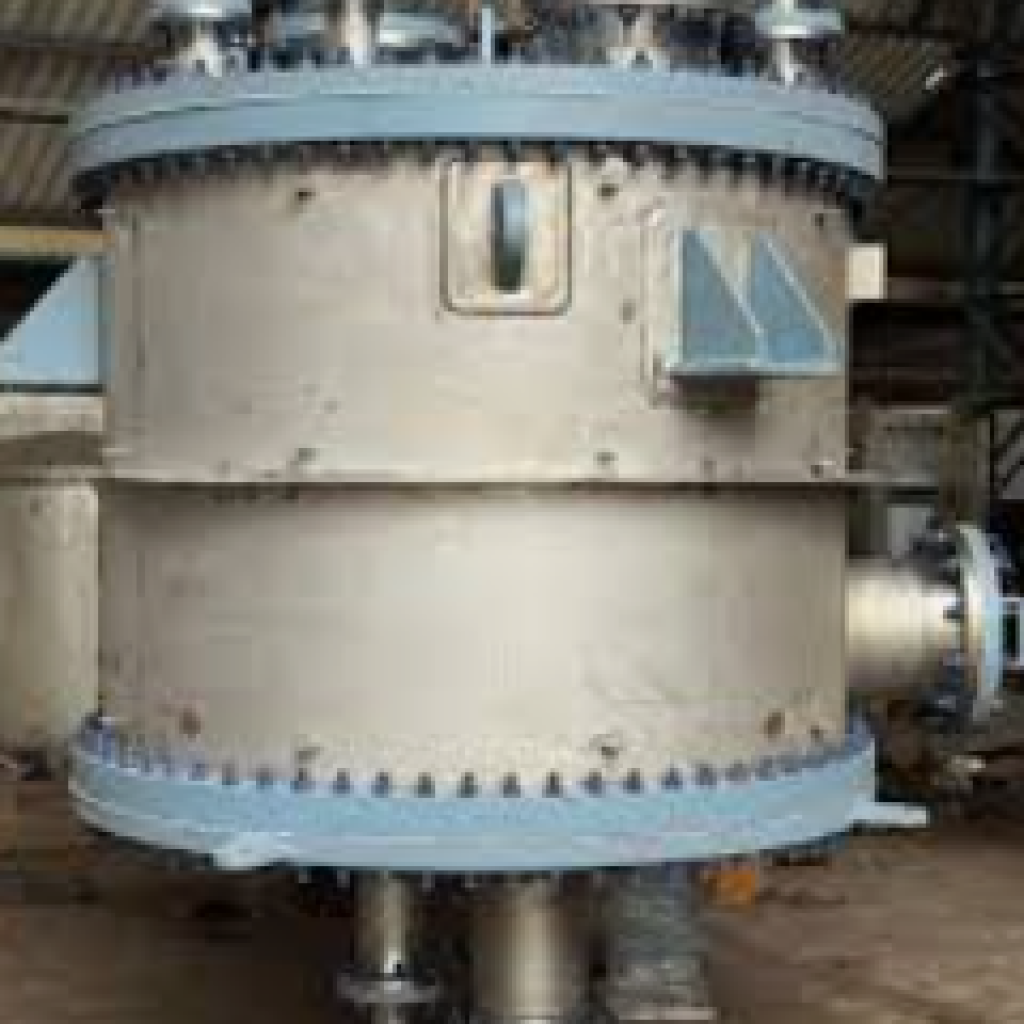
- Heating/Cooling Jackets: Conventional jackets, half-pipe coil jackets, or dimple jackets wrapped around the shell to regulate highly exothermic or endothermic reactions.
2. Shell and Tube Heat Exchangers
Classified structurally as pressure vessels, shell and tube heat exchangers transfer thermal energy between two fluids separated by a solid barrier. They comprise a cylindrical shell housing a bundle of tubes. A specialized Pressure Vessel Supplier Singapore must ensure the vessel accommodates differential thermal expansion between the shell and the tubes, often incorporating expansion joints or utilizing floating head designs to prevent mechanical fatigue and eventual structural failure.
3. Industrial Separators (Flash Drums & Knockout Pots)
Separators isolate multiphase fluids into distinct components based on density differentials. In the oil, gas, and petrochemical sectors, phase separation is critical.
- Horizontal Separators: Used when large fluid volumes require extended retention times to allow gas-liquid or liquid-liquid separation.
- Vertical Separators: Preferable in configurations with high gas-to-liquid ratios or where plot space within the facility is highly constrained. They utilize internal components like mist eliminators, vane packs, and demister pads to maximize separation efficiency.
       Vertical Separator                Horizontal Separator
         ┌─────────┐                     ┌─────────────────────┐
         │    ▲    │ Gas Out             │                     │ Gas Out
         │    │    │                     │      ▲       ▲      │
   ======┼─► ┌┴┐   │               ======┼─►   ┌┴┐     ┌┴┐     │
 Fluid In│   └─┘   │               Fluid │   ▲ └─┘     └─┘     │
         │         │                 In  │   │                 │
         │    │    │                     └───┼─────────┼───────┘
         │    ▼    │ Liquid Out              ▼         ▼
         └─────────┘                      Liquid     Heavy Liquid
4. Storage Vessels and Air Receivers
Air receivers act as buffer storage tanks for compressed air systems, dampening pressure pulsations from reciprocating compressors and providing a reservoir during peak demand cycles. Liquid storage vessels, such as those storing liquefied petroleum gas (LPG), ammonia, or nitrogen, operate under high pressure to keep gases in a liquid state at ambient temperatures. These are standard catalog items for a commercial Pressure Vessel Supplier Singapore, though they still demand rigorous compliance with safety relief standards.
5. Surge Vessels and Bladder Tanks
Used extensively in water treatment, desalination, and municipal infrastructure across Singapore, surge vessels protect expansive piping networks against the destructive forces of water hammer—rapid pressure spikes caused by sudden pump shutdowns or valve closures. A specialized Pressure Vessel Supplier Singapore manufactures these units with internal elastomeric bladders or pre-charged nitrogen cushions to absorb transient kinetic energy, stabilizing the hydraulic profile of the pipeline system.
5. Crucial Materials Used in Fabrication
The material specified for pressure vessel construction dictates its maximum allowable working pressure (MAWP), temperature limits, corrosion resistance, and total capital cost. When collaborating with a Pressure Vessel Supplier Singapore, mechanical engineers must balance operational demands with material characteristics.
Carbon Steel
Carbon steel remains the most widely deployed material due to its outstanding mechanical strength, high ductility, ease of welding, and cost-effectiveness.
- ASTM A516 Grade 70: The absolute industry standard for moderate to lower-temperature service in pressure vessels. It offers excellent notch toughness and high tensile strength.
- ASTM A106 Grade B: Commonly utilized for shell fabrication in smaller-diameter vessels made from seamless pipe.
While carbon steel performs exceptionally well under non-corrosive conditions, it requires a robust corrosion allowance (typically 1.5 mm to 6.0 mm) and specialized external coatings when deployed by a Pressure Vessel Supplier Singapore into tropical, high-humidity environments.
Stainless Steel
For applications involving aggressive chemical compounds, cryogenic temperatures, or strict hygienic requirements, stainless steel is mandatory.
- Austenitic Stainless Steel (304/304L, 316/316L): Chromium-nickel alloys that exhibit exceptional corrosion resistance and maintain structural ductility across a broad temperature range. The “L” designations indicate low carbon content ($<0.03\%$), which minimizes chromium carbide precipitation during welding, preventing intergranular corrosion in weld heat-affected zones (HAZ).
- Duplex Stainless Steel (e.g., Duplex 2205): Features a mixed microstructure of austenite and ferrite. Duplex steels deliver twice the mechanical strength of standard austenitic steels along with superior resistance to chloride stress corrosion cracking, making them ideal for desalination and marine pressure systems built by a premier Pressure Vessel Supplier Singapore.
Advanced Alloys and Exotic Materials
In extreme process environments—such as highly acidic chemical refining or high-temperature power generation—standard steels fail. Specialized suppliers fabricate vessels using exotic alloys:
- Nickel Alloys (Inconel, Monel, Hastelloy): Provide exceptional resistance to localized pitting, crevice corrosion, and high-temperature oxidation.
- Titanium: Extremely high strength-to-weight ratio and completely impervious to seawater corrosion, making it invaluable for offshore oil and gas production platforms operating in the Singapore Strait.
Material Specifications Comparison
To assist in engineering procurement, the following table summarizes the primary material choices utilized by a certified Pressure Vessel Supplier Singapore:
| Material Class | Common Specification | Temperature Range | Primary Industrial Applications |
| Carbon Steel | ASTM A516 Gr 70 | $-29^\circ\text{C}$ to $425^\circ\text{C}$ | Steam boilers, air receivers, oil-water separators. |
| Austenitic SS | ASTM A240 Type 316L | $-254^\circ\text{C}$ to $815^\circ\text{C}$ | Pharmaceutical bioreactors, chemical storage, food processing. |
| Duplex SS | ASTM A240 UNS S32205 | $-50^\circ\text{C}$ to $280^\circ\text{C}$ | Marine applications, seawater filtration, desalination systems. |
| Nickel Alloy | Hastelloy C276 | $-196^\circ\text{C}$ to $1093^\circ\text{C}$ | Highly acidic environments, flue gas desulfurization, specialty chemicals. |
6. International Design Codes and Regulatory Frameworks in Singapore
In the world of pressure equipment, adherence to standardized design codes is a legal mandate. A globally competitive Pressure Vessel Supplier Singapore operates in strict compliance with international engineering bodies alongside local statutory frameworks.
ASME Boiler and Pressure Vessel Code (BPVC) Section VIII
The American Society of Mechanical Engineers (ASME) produces the most widely recognized code for pressure vessel design worldwide. It is divided into three key divisions:
ASME Section VIII, Division 1 (Rules for Construction of Pressure Vessels)
This division relies on a “Design-by-Rule” philosophy. It uses standard formulaic equations to determine required wall thicknesses based on internal pressures, allowable material stresses, and joint efficiencies. It incorporates a high factor of safety (typically 3.5 relative to ultimate tensile strength), resulting in thicker, heavier vessels. It is the most economical design framework for low to medium-pressure applications.
ASME Section VIII, Division 2 (Alternative Rules)
Division 2 utilizes a “Design-by-Analysis” philosophy. It permits lower safety factors (typically 3.0) by mandating highly precise stress calculations, including detailed Finite Element Analysis (FEA) to assess fatigue, thermal gradients, and localized stress concentrations. Because it allows for thinner vessel walls and less raw material usage, a proficient Pressure Vessel Supplier Singapore will recommend Division 2 for high-pressure applications where raw material cost savings outweigh the intensive engineering analysis costs.
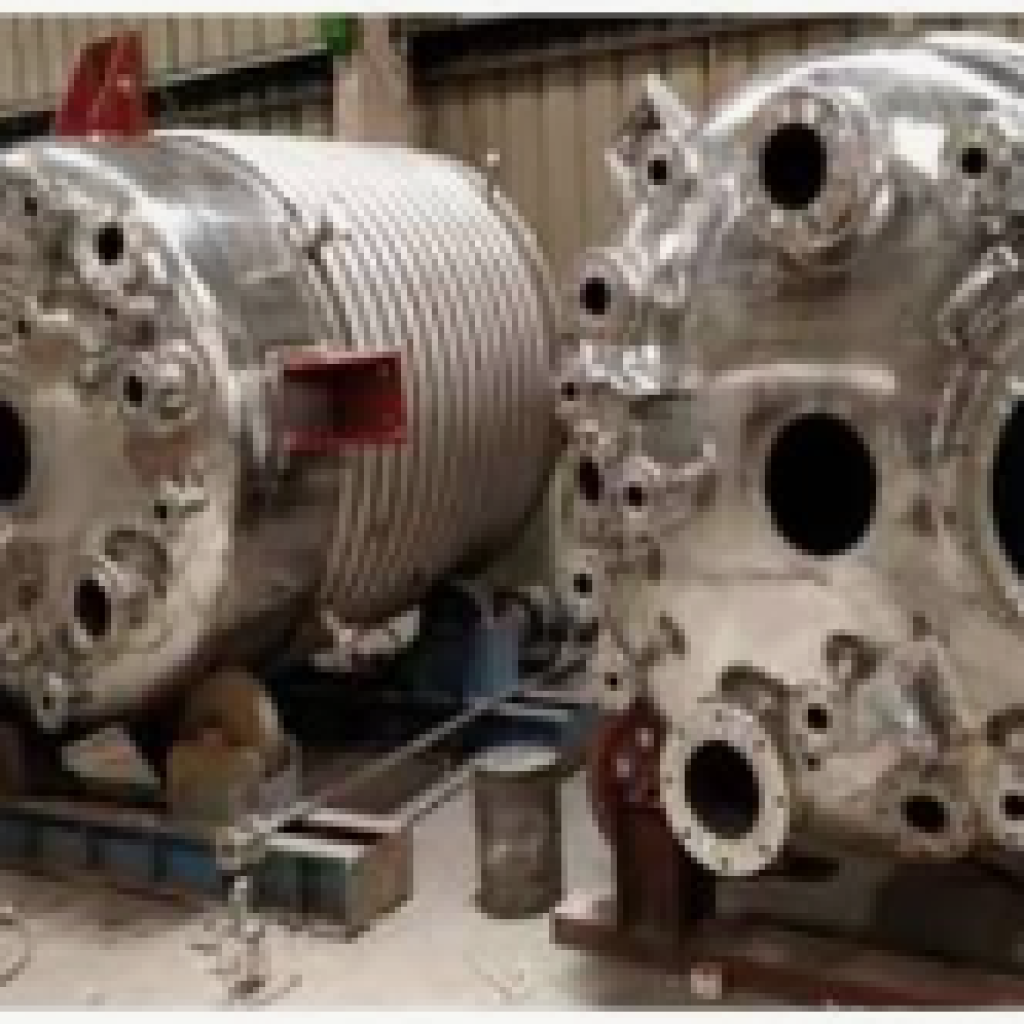
ASME Section VIII, Division 3 (Alternative Rules for High Pressure)
Reserved exclusively for extreme high-pressure applications operating above $70\,\text{MPa}$ ($10,000\,\text{psi}$). It features unique design requirements such as autofrettage, wire-wound vessels, and interlocking strip constructions.
                   ┌──────────────────────────────────────┐
                   │     ASME Section VIII Framework      │
                   └──────────────────┬───────────────────┘
                                      │
         ┌────────────────────────────┼────────────────────────────┐
         ▼                            ▼                            ▼
   Division 1:                  Division 2:                  Division 3:
 ┌─────────────────────────┐  ┌─────────────────────────┐  ┌─────────────────────────┐
 │ • Design-by-Rule        │  │ • Design-by-Analysis    │  │ • Extreme Pressures     │
 │ • Safety Factor: 3.5    │  │ • Safety Factor: 3.0    │  │ • Pressure > 70 MPa     │
 │ • Low-Medium Pressure   │  │ • FEA Modeling Mandate  │  │ • Advanced Autofrettage │
 └─────────────────────────┘  └─────────────────────────┘  └─────────────────────────┘
Alternative International Codes
While ASME dominates, a comprehensive Pressure Vessel Supplier Singapore can also fabricate equipment adhering to alternative international standards, including:
- PD 5500: The British master specification for unfired fusion-welded pressure vessels.
- EN 13445: The harmonized European standard for pressure vessels, utilizing similar advanced calculation methods to ASME Section VIII Division 2.
- JIS B8265 / B8267: The Japanese Industrial Standards governing pressure vessel construction, commonly requested by Japanese EPC contractors operating in Singapore.
Singapore Ministry of Manpower (MOM) Regulations
Under the Workplace Safety and Health (WSH) Act, any vessel operating at an internal pressure exceeding $0.5\,\text{bar}$ above atmospheric pressure, or having a capacity exceeding $10\,\text{liters}$ (with variations based on fluid type), must be legally registered as a statutory pressure vessel.
The registration process requires your chosen Pressure Vessel Supplier Singapore to execute a clear regulatory sequence:
- Design Review: The engineering drawings, calculation reports, and material test certificates (MTCs) are submitted to an MOM-accredited Authorized Examiner (AE).
- Fabrication Surveillance: The AE or a recognized third-party inspection agency (such as Lloyd’s Register, Bureau Veritas, DNV, or ABS) conducts intermediate inspections during welding, non-destructive testing, and final assembly.
- Hydrostatic Testing: A final pressure test is witnessed by the AE.
- MOM Registration: Upon successful testing, the AE uploads the verification documentation to the MOM portal to secure a unique registration number (the “MOM Plate”), which must be permanently fixed to the vessel shell before commissioning.
7. Steps to Choosing the Ultimate Pressure Vessel Supplier Singapore
Selecting an engineering partner requires deep technical due diligence. Making an uninformed choice can result in unexpected project delays, costly engineering rework, or compliance failures during statutory inspections. When auditing a prospective Pressure Vessel Supplier Singapore, use this structured evaluation methodology.
1. Verify Core Code Accreditations
Never assume a vendor can manufacture to code simply because they employ certified welders. A reputable Pressure Vessel Supplier Singapore must possess formal corporate stamp accreditations from ASME. Look for the following stamps:
- “U” Stamp: Certifies the supplier is authorized to design and fabricate pressure vessels in accordance with ASME Section VIII Division 1.
- “U2” Stamp: Authorizes fabrication under the more complex rules of ASME Section VIII Division 2.
- “R” Stamp (National Board): Essential if the supplier will perform field repairs, alterations, or maintenance modifications on your existing statutory pressure vessels.
2. Evaluate In-House Engineering Capabilities
A premier Pressure Vessel Supplier Singapore shouldn’t merely function as a welding shop that builds from external blueprints. They should possess an in-house engineering team capable of performing mechanical calculations, thermal designs, and stress modeling. Ask the prospective supplier if they use industry-standard software suites such as:
- PV Elite / Compress: For automated ASME Section VIII code compliance calculations.
- ANSYS / ABAQUS: For advanced Finite Element Analysis (FEA) when evaluating localized nozzle loads or fatigue life cycles.
- HTRI: For the thermal and hydraulic rating of heat exchangers.
3. Assess Material Segregation Capabilities Pressure Vessel Supplier Singapore
Cross-contamination during manufacturing can ruin high-grade alloys. For example, if carbon steel particles from grinding or plasma cutting settle onto a stainless steel sheet, they disrupt the passive chromium oxide layer, causing severe localized galvanic pitting. A top-tier Pressure Vessel Supplier Singapore must maintain strict material segregation in their workshop. They should feature a completely isolated cleanroom or dedicated bay used exclusively for stainless steel, duplex, and titanium fabrication, equipped with independent tooling, grinding disks, and handling equipment.
  ┌─────────────────────────────────────────────────────────┐
  │              FABRICATION FACILITY FLOORPLAN             │
  ├────────────────────────────┬────────────────────────────┤
  │                            │    Cleanroom Isolation    │
  │    Carbon Steel Bay        │   (Stainless/Duplex/Ti)    │
  │                            │                            │
  │  • Structural fabrication  │  • Dedicated non-CS tools  │
  │  • Heavy rolling lines     │  • Contamination controls  │
  │  • Standard cutting equipment│  • Controlled environment  │
  └────────────────────────────┴────────────────────────────┘
4. Investigate Quality Assurance and Documentation Rigor Pressure Vessel Supplier Singapore
In industrial engineering, the paperwork is as critical as the hardware. A reliable Pressure Vessel Supplier Singapore must provide a comprehensive Manufacturer’s Data Report (MDR) upon project completion. Ensure their Quality Management System (QMS) is certified to ISO 9001 and that they can trace every plate, flange, and welding electrode used back to its original raw material mill certificate.
8. The Engineering and Design Process Pressure Vessel Supplier Singapore
The lifecycle of a high-quality vessel begins in the engineering office. When you engage a professional Pressure Vessel Supplier Singapore, the design sequence unfolds through several precise iterative phases to transform raw processing parameters into a physical, code-compliant reality.
Process Data Sheets (PDS) Interpretation
The client typically provides a Process Data Sheet outlining the fundamental operational envelope. Key variables include:
- Operating Pressure vs. Design Pressure: The design pressure is usually set $10\%$ to $15\%$ higher than the maximum operating pressure to accommodate transient surges and safety valve tolerances.
- Operating Temperature vs. Design Temperature: High temperatures reduce the allowable stress limits of metals, requiring a thicker shell. Cryogenic temperatures present a risk of brittle fracture, mandating impact testing of materials.
- Fluid Toxicity and Lethal Service: If a vessel contains toxic substances (such as hydrogen sulfide or lethal chemicals), ASME codes dictate mandatory $100\%$ radiography of all weld seams, regardless of wall thickness.
Advanced Computational Engineering Pressure Vessel Supplier Singapore
Once basic dimensions are calculated using PV Elite, a forward-thinking Pressure Vessel Supplier Singapore uses advanced software to optimize safety and performance:
Finite Element Analysis (FEA)
When large external piping networks tie into small vessel nozzles, they exert substantial mechanical forces and moments on the vessel shell. Standard code equations cannot compute these complex, localized triaxial stresses. Engineers use FEA to model the nozzle-to-shell junction. By dividing the geometry into thousands of finite elements, the software calculates localized stress vectors, allowing the Pressure Vessel Supplier Singapore to determine if reinforcing pads (repads) or heavy-barrel self-reinforced nozzles are required to prevent localized buckling.
Computational Fluid Dynamics (CFD)
For multi-phase separators, chemical reactors, or flash drums, internal fluid dynamics must be modeled to prevent internal erosion and optimize phase separation. CFD analysis allows engineers to simulate fluid velocities, track droplet trajectories, and verify that internal baffles, inlet cyclones, and demister pads are correctly positioned to prevent liquid carryover.
[Process Data Sheet] ──► [PV Elite Code Formulas] ──► [FEA Stress Analysis] ──► [CFD Flow Simulation]
9. Manufacturing and Fabrication Excellence
Once the engineering drawings receive final approval from the client and the MOM Authorized Examiner, the project transitions to the fabrication shop floor. Sourcing from an advanced Pressure Vessel Supplier Singapore guarantees that state-of-the-art manufacturing techniques are utilized to transform metal plates into pressure containment hulls.
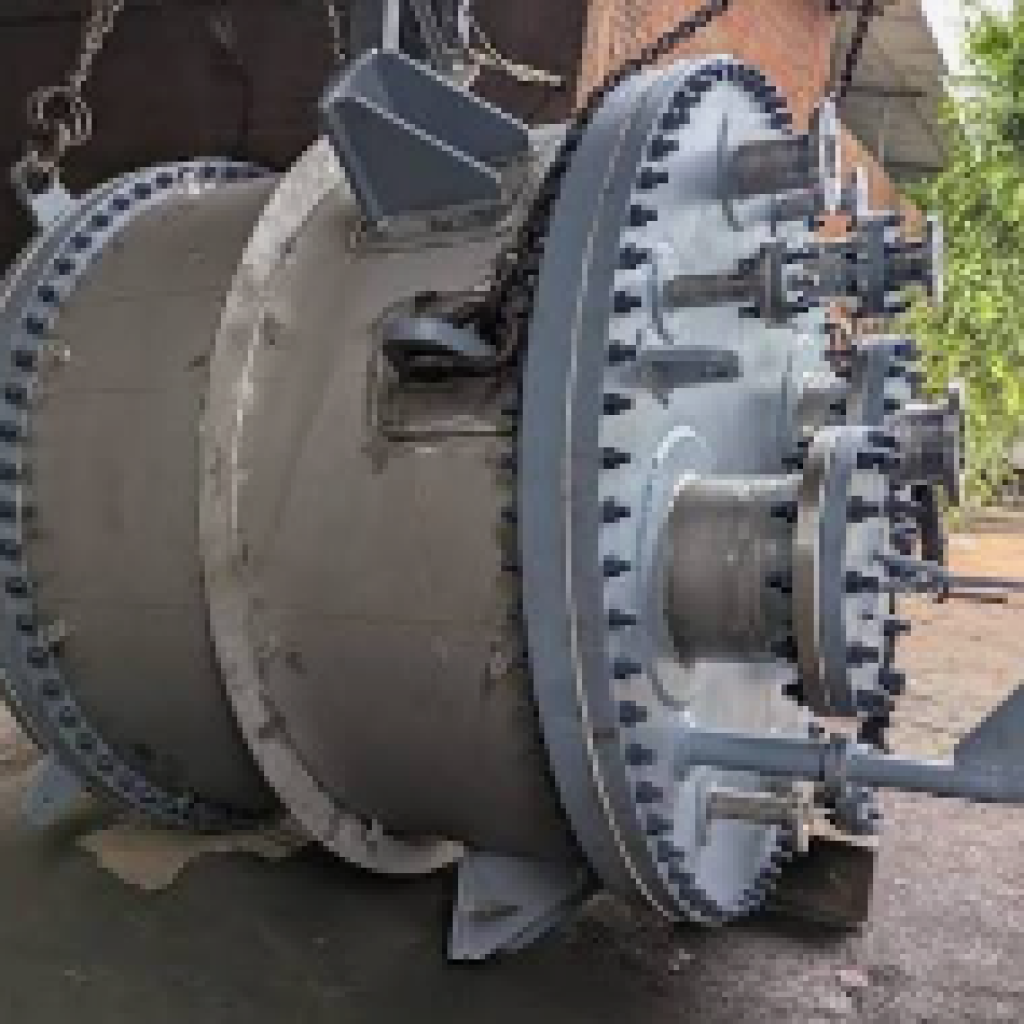
Plate Cutting and Shell Rolling
The fabrication process begins by cutting large steel plates to precision dimensions using CNC plasma or laser cutting machines. The edges are then chamfered to create the specific weld bevel profiles required for full-penetration welding. The flat plate is then fed into heavy-duty 3-roll or 4-roll hydraulic plate bending machines, which gradually form the plate into a true, perfectly round cylinder shell section (known as a “can”).
             CNC Plate Cutting (Plasma/Laser)
                            │
                            ▼
               Weld Bevel Edge Preparation
                            │
                            ▼
         Hydraulic Plate Rolling (Cylinder Forming)
                            │
                            ▼
          Longitudinal Seam Welding (SAW Process)
Advanced Industrial Welding Techniques
Welding is the most critical process in pressure vessel manufacturing. A premier Pressure Vessel Supplier Singapore employs highly qualified welders holding formal Welding Procedure Specifications (WPS) and Procedure Qualification Records (PQR) according to ASME Section IX. Common high-performance welding methodologies include: Pressure Vessel Supplier Singapore
- Submerged Arc Welding (SAW): An automated process used primarily for long straight seams and circumferential welds on thick shells. The weld arc is completely submerged under a blanket of granular fusible flux, shielding the molten metal from atmospheric contamination. SAW produces exceptionally clean, deep-penetration welds with outstanding mechanical properties at high deposition rates.
- Gas Tungsten Arc Welding (GTAW / TIG): A manual or semi-automated process utilizing a non-consumable tungsten electrode and pure argon shielding gas. TIG welding offers precision control and is used for critical root passes in pipe nozzles and small-diameter attachments where flawless penetration is essential.
- Gas Metal Arc Welding (GMAW / MIG): A versatile process providing high production speeds, typically deployed for welding external structural components such as support saddles, lifting lugs, and platforms to the vessel exterior.
Head (End Cap) Manufacturing
The cylindrical shell must be sealed at both ends using formed heads. A competent Pressure Vessel Supplier Singapore offers several head configurations depending on your pressure profile and budget:
- Ellipsoidal Heads (2:1): The standard choice for medium to high-pressure vessels. They feature a semi-elliptical profile where the depth of the head is one-quarter of its diameter. They balance excellent pressure resistance with moderate material thickness.
- Torispherical Heads: Feature a dish with a fixed crown radius and a knuckle radius that transitions smoothly to the cylinder shell. They are economical to fabricate but require a greater wall thickness than ellipsoidal heads to withstand the same internal pressure.
- Hemispherical Heads: Offer the ideal structural profile for high-pressure applications. Because they distribute stress uniformly, they require half the thickness of an ellipsoidal head. However, they are deeply dished, making them complex and expensive to form, typically reserving them for extreme high-pressure or large-diameter vessels.
   Ellipsoidal Head (2:1)       Torispherical Head          Hemispherical Head
       ┌───────────┐               ┌───────────┐               ┌───────────┐
     ▄▀             ▀▄           ▄▀             ▀▄           ▄▀             ▀▄
    █                 █         █                 █         █                 █
10. Testing and Inspection Protocols
Before a pressure vessel leaves the fabrication facility and is commissioned for industrial operation, it must undergo rigorous non-destructive and destructive quality assurance testing. Your chosen Pressure Vessel Supplier Singapore must execute these tests in accordance with strict code frameworks and under third-party or Authorized Examiner oversight.
Non-Destructive Testing (NDT) Methods Pressure Vessel Supplier Singapore
NDT allows technicians to inspect the interior structure of weld seams and base metals without damaging the vessel.
- Radiographic Testing (RT): Utilizing X-rays or Gamma rays to penetrate weld seams, exposing industrial film placed on the opposite side. Any internal defects—such as gas porosity, slag inclusions, lack of fusion, or micro-cracks—appear clearly on the radiograph. A high-spec Pressure Vessel Supplier Singapore uses RT to ensure the internal integrity of critical load-bearing joints.
- Ultrasonic Testing (UT) / Phased Array UT (PAUT): Employs high-frequency sound waves that bounce off internal material boundaries. PAUT uses multi-element probes to steer and focus sound beams electronically, generating real-time, cross-sectional visual maps of internal weld profiles with remarkable precision.
- Magnetic Particle Testing (MT): Designed to detect surface and near-surface cracks in ferromagnetic materials like carbon steel. A magnetic field is induced in the metal, and fine iron particles are applied. Any surface crack creates a magnetic flux leakage that concentrates the particles, visually revealing the flaw.
- Liquid Penetrant Testing (PT): Used for non-magnetic materials like stainless steel or titanium. A highly fluid dye is applied to the surface, allowed to penetrate any microscopic surface cracks, and then drawn out using a developer chemical to reveal surface discontinuities under standard or UV lighting.
                       ┌────────────────────────────────┐
                       │   Non-Destructive Testing (NDT)│
                       └───────────────┬────────────────┘
                                       │
         ┌─────────────────────────────┼─────────────────────────────┐
         ▼                             ▼                             ▼
   Radiographic (RT):            Ultrasonic (UT/PAUT):         Surface NDT (MT/PT):
 ┌──────────────────────────┐  ┌──────────────────────────┐  ┌──────────────────────────┐
 │ • X-Ray/Gamma penetration│  │ • Sound wave reflection  │  │ • Magnetic fields for CS │
 │ • Film exposure analysis │  │ • Real-time cross-section│  │ • Liquid dye for alloys  │
 │ • Detects deep porosity  │  │ • Precision flaw mapping │  │ • Locates surface cracks │
 └──────────────────────────┘  └──────────────────────────┘  └──────────────────────────┘
Hydrostatic vs. Pneumatic Testing Pressure Vessel Supplier Singapore
Once the vessel passes all NDT assessments, it undergoes mandatory pressure testing to validate its overall structural integrity.
Hydrostatic Testing
The vessel is completely filled with water, vented to remove air pockets, and pressurized using a hydraulic pump to a minimum of $1.3 \times \text{MAWP}$ (Maximum Allowable Working Pressure) multiplied by a temperature correction factor. Water is practically incompressible, meaning that if a structural failure occurs during testing, the pressure drops instantly without causing an explosive release of energy. A certified Pressure Vessel Supplier Singapore performs this test on a dedicated concrete test pad with calibrated pressure gauges monitored closely by an MOM Authorized Examiner.
Pneumatic Testing Pressure Vessel Supplier Singapore
Pneumatic testing uses an incompressible medium like compressed air or nitrogen to pressurize the vessel. Because compressed gas stores an immense amount of potential energy, a structural failure can result in a devastating explosion. Therefore, a Pressure Vessel Supplier Singapore will only perform pneumatic testing under exceptional circumstances—such as when the vessel internal surfaces cannot tolerate moisture or when the structural foundations cannot support the immense weight of a water-filled shell. Pneumatic testing requires rigorous safety protocols, remote monitoring, and step-wise pressure scaling.
11. Maintenance, Lifecycle Management, and Recertification
The relationship with your Pressure Vessel Supplier Singapore does not conclude once the vessel is delivered and installed. Industrial pressure systems are dynamic assets subject to continuous thermal cycling, structural vibration, and potential chemical corrosion. Maintaining statutory compliance and ensuring long-term operational health demands a rigorous lifecycle management protocol.
Statutory Inspection Intervals in Singapore
In accordance with Singapore’s Workplace Safety and Health regulations, registered pressure vessels cannot operate indefinitely without re-validation.
- Air Receivers and Steam Boilers: Typically require statutory visual internal inspections and external operational checks every 12 to 24 months.
- Process Vessels and Heat Exchangers: Depending on the corrosiveness of the internal medium, these require full statutory fitness-for-service reviews every 24 to 48 months.
During these statutory turnarounds, an independent Authorized Examiner (AE) inspects the vessel for mechanical degradation, wall thinning, and pitting. Partnering with a proactive Pressure Vessel Supplier Singapore ensures you have rapid access to original engineering drawings, historical MDR records, and field technicians who can handle any required repairs or nozzle modifications.
[Initial Commissioning] ──► [Continuous Operation] ──► [Statutory AE Inspection (12-48 Mo)]
                                     ▲                              │
                                     │                              ▼
                            [MOM Recertification] ◄── [Required Repairs / NDT Validation]
Common Wear Mechanisms and Solutions Pressure Vessel Supplier Singapore
Understanding why vessels degrade allows engineers to implement preventative maintenance strategies:
- Corrosion Under Insulation (CUI): Occurs on insulated carbon steel or stainless steel vessels operating in humid environments when water becomes trapped within the insulation material. A savvy Pressure Vessel Supplier Singapore mitigates this by applying robust thermal spray aluminum (TSA) or high-build epoxy coatings to the shell before installing insulation.
- Mechanical Fatigue: Caused by continuous pressure pulsations or cyclical thermal expansions. Over time, micro-cracks form at high-stress points like nozzle attachments. Specialized suppliers use Phased Array Ultrasonic Testing (PAUT) to monitor these critical zones during scheduled plant shutdowns.
- Hydrogen Induced Cracking (HIC): Occurs in sour crude oil environments where atomic hydrogen diffuses into carbon steel plates, settling at material boundaries and creating internal cracks. Sourcing HIC-resistant steel plates directly from an accredited Pressure Vessel Supplier Singapore prevents this chemical degradation mechanism.
12. Applications Across Key Singapore Industries Pressure Vessel Supplier Singapore
Pressure vessels are tailored to the unique operational environments of the industries they serve. A premier Pressure Vessel Supplier Singapore provides specialized solutions across diverse economic sectors.
Oil, Gas, and Petrochemical Refining
Centered heavily on Jurong Island, refining and petrochemical manufacturing require massive, thick-walled vessels capable of operating under high temperatures and volatile chemical states.
- Applications: Fractionation columns, hydrocrackers, sulfur recovery units, and high-pressure gas separators.
- Supplier Requirements: Deep mastery of ASME Section VIII Division 2 design-by-analysis, extensive metallurgical knowledge of heavy-wall carbon steel, chrome-moly alloys, and high-integrity internal cladding to resist corrosive sour gas ($H_2S$) environments.
Pharmaceutical and Biomedical Manufacturing
Operating within the strict regulatory frameworks of the US FDA and Singapore’s HSA, the biomedical sector in Tuas demands absolute sterility and cleanability.
- Applications: Bioreactors, fermentation vessels, buffer preparation tanks, and ultra-pure water distillation columns.
- Supplier Requirements: Sourcing ultra-low carbon stainless steel (316L), executing precision orbital welding, and performing advanced internal surface finishing like mechanical polishing down to $Ra < 0.4\,\mu\text{m}$ followed by chemical electropolishing to eliminate microscopic crevices where bacteria can harbor.
Marine and Offshore Engineering
Singapore’s world-class shipyards build and repair complex Floating Production Storage and Offloading (FPSO) vessels, drillships, and commercial transport liners.
- Applications: Marine boilers, fuel gas conditioning skids, LNG fuel storage tanks, and seawater desalination pressure housings.
- Supplier Requirements: The chosen Pressure Vessel Supplier Singapore must secure design approvals and material certifications from marine classification societies such as DNV, American Bureau of Shipping (ABS), or Lloyd’s Register to ensure the vessels can withstand dynamic structural loads, wave sloshing forces, and marine environmental exposure.
Power Generation and Energy Systems
With Singapore transitioning toward efficient combined-cycle gas turbine (CCGT) power plants and exploring low-carbon hydrogen co-firing, energy infrastructure demands robust thermal management.
- Applications: Heat Recovery Steam Generators (HRSGs), deaerators, high-pressure steam drums, and thermal energy storage accumulators.
- Supplier Requirements: Advanced expertise in creep-resistant alloy steels and high-pressure tube bundle fabrication capable of enduring rapid thermal transient cycles without experiencing structural fatigue.
13. Case Studies and Real-World Implementation
Examining real-world engineering executions illustrates the value that an expert Pressure Vessel Supplier Singapore delivers to complex capital infrastructure projects.
Case Study 1: Custom Duplex Separator Vessel for a Desalination Plant
An international water infrastructure developer constructing a major seawater reverse osmosis (SWRO) desalination plant in Singapore required a series of high-capacity micron cartridge filter vessels.
- The Challenge: The incoming raw seawater featured high chloride levels, presenting an extreme risk of pitting and stress corrosion cracking if standard 316L stainless steel was used. Furthermore, plot space within the facility was highly constrained, requiring an optimized vertical footprint.
- The Solution: The engineering team at a certified Pressure Vessel Supplier Singapore proposed redesigning the vessels using Duplex 2205 stainless steel. Leveraging the high mechanical strength of duplex steel, the engineers utilized advanced ASME Section VIII Division 1 calculations to reduce the nominal shell thickness by $25\%$ compared to standard stainless steel designs, substantially decreasing raw material costs and reducing the total foundation load.
- The Result: The vessels were fabricated in an isolated cleanroom bay to prevent carbon contamination, verified via $100\%$ radiography, and successfully registered with the Ministry of Manpower (MOM) under tight project timelines. The lightweight, corrosion-resistant design saved the client over $\$150,000$ in structural support costs and has operated without a single corrosion incident.
       [Raw Seawater Source]
                 │ (High Chlorides)
                 ▼
  ┌──────────────────────────────┐
  │ Optimised Duplex 2205 Vessel │ ◄── Engineered by Pressure Vessel Supplier Singapore
  │   • Wall thickness cut 25%   │
  │   • Isolated cleanroom fab   │
  └──────────────┬───────────────┘
                 │
                 ▼
     [Reverse Osmosis Elements]
Case Study 2: Fast-Track Retrofit of an FPSO Fuel Gas Skid
An offshore oil and gas operator required an immediate replacement of an damaged high-pressure fuel gas knockout vessel on an operational FPSO docked in Singapore for repair.
- The Challenge: Every day the vessel remained in drydock cost the operator tens of thousands of dollars in charter penalties. The lead time from overseas manufacturers for a code-stamped vessel exceeded 24 weeks—a timeline that would derail the entire project.
- The Solution: The operator engaged a localized, ASME-accredited Pressure Vessel Supplier Singapore. The local supplier’s design team pulled the historical vessel data, recreated the design models in PV Elite, and coordinated an expedited raw material release of ASME-certified carbon steel plate from local master stockists.
- The Result: Welding was executed 24/7 using automated Submerged Arc Welding (SAW). A local Authorized Examiner conducted intermediate inspections on-site, and a final hydrostatic test was completed within 21 days of order placement. The local Pressure Vessel Supplier Singapore delivered the fully certified, MOM-registered, and ABS-classed vessel directly to the shipyard in under 4 weeks, saving the operator millions in potential drydock extensions.
14. Future Trends in Pressure Vessel Technology
The field of pressure equipment design and fabrication is continually evolving, driven by digitalization, material advancements, and sustainability imperatives. When choosing a forward-thinking Pressure Vessel Supplier Singapore, look for companies actively integrating these next-generation capabilities into their workflows.
Smart Pressure Vessels and IIoT Integration
The integration of the Industrial Internet of Things (IIoT) is transforming traditional passive pressure vessels into smart, self-monitoring industrial assets. Advanced suppliers are now equipping vessels with permanently attached, high-temperature ultrasonic thickness sensors and acoustic emission transducers linked to cloud analytics platforms. This allows operators to track internal wall thinning, corrosion rates, and micro-fissure propagation in real-time. By moving away from fixed calendar-based turnarounds, plants can implement Predictive Maintenance, executing shutdowns only when indicated by sensor data, maximizing asset uptime and safety.
High-Strength Composite Materials (FRP)
For low-to-medium pressure applications in water filtration, chemical storage, and alternative energy, Fiber-Reinforced Plastic (FRP) and filament-wound composite vessels are gaining traction. An progressive Pressure Vessel Supplier Singapore utilizes advanced CNC filament winding machines to wrap high-strength fiberglass or carbon fiber strands impregnated with epoxy resin around a polymeric liner. Composite vessels are completely immune to electrochemical corrosion, require zero paint maintenance, and weigh up to $70\%$ less than equivalent steel tanks, simplifying logistics and installation.
Additive Manufacturing and Advanced Welding Automation
The introduction of additive manufacturing (3D printing) for complex internal components—such as specialized reactor distributors, static mixers, and heat exchanger headers—is enabling unprecedented process efficiencies. Furthermore, advanced fabrication shops are deploying robotic welding cells equipped with laser-vision tracking systems. These automated systems maintain the ideal torch angle, travel speed, and wire-feed rates across complex geometric intersections, delivering flawless, repeatable welds that pass radiographic validation on the first attempt, minimizing production rework.
15. Frequently Asked Questions (FAQ)
To assist project managers and procurement officers in streamlining their sourcing strategies, we have compiled answers to the most common inquiries encountered by a professional Pressure Vessel Supplier Singapore.
Q1: What defines a “Statutory Pressure Vessel” under Singapore law?
Under the Workplace Safety and Health (General Provisions) Regulations, a statutory pressure vessel is generally defined as any container (other than a steam boiler) that holds fluid under a pressure exceeding $0.5\,\text{bar}$ above atmospheric pressure and has an internal volumetric capacity exceeding $10\,\text{liters}$. Such vessels must be systematically designed, approved by an MOM-appointed Authorized Examiner, undergo witnessed pressure testing, and be registered within the MOM portal to obtain an official operational certificate.
Q2: What is the standard lead time for a custom-engineered pressure vessel?
Lead times vary significantly depending on geometric complexity, wall thickness, and material type:
- Standard Air Receivers / Carbon Steel Tanks: 6 to 10 weeks.
- Medium-Complexity Process Columns / Heat Exchangers: 14 to 22 weeks.
- High-Specification Chemical Reactors / Exotic Alloy Vessels: 26 to 40+ weeks, primarily driven by international lead times for sourcing specialized mill-certified raw materials like Hastelloy or titanium plates.
Engaging an established Pressure Vessel Supplier Singapore with a large local stock of certified raw materials can reduce these timelines substantially.
Q3: Can an overseas manufactured vessel be registered with MOM in Singapore?
Yes, but it requires meticulous coordination. The overseas manufacturer must hold valid ASME certifications, and the entire fabrication process must be audited and stamped by an authorized independent third-party inspector (e.g., DNV or Lloyd’s Register) acting on behalf of the Singapore Authorized Examiner. All design calculations, material test certificates (MTCs), and NDT records must be translated into English and cross-checked against MOM regulations. Sourcing directly from a domestic Pressure Vessel Supplier Singapore eliminates this complex regulatory hurdle, as local engineering teams manage compliance directly with local AEs throughout the fabrication process.
Q4: How is “Joint Efficiency” determined in pressure vessel design?
Joint Efficiency ($E$) is a numerical factor ranging from $0.70$ to $1.00$ used in ASME design equations to reflect the reliability of welded joints.
- $E = 1.00$ (Full Radiography): Every millimeter of the vessel’s longitudinal weld seams undergoes radiographic testing (RT). This allows for the thinnest possible shell wall, reducing raw material usage.
- $E = 0.85$ (Spot Radiography): Only random, selected points along the weld seams are checked via RT. This requires a slightly thicker shell wall to compensate for potential minor weld variations.
- $E = 0.70$ (No Radiography): Visual inspection only; no NDT is performed. This demands a significantly thicker, heavier shell to ensure adequate safety margins.
A skilled Pressure Vessel Supplier Singapore balances the cost of executing comprehensive NDT against the material cost savings realized by reducing the vessel’s shell thickness.
16. Strategic Procurement and Engineering Checklists
Before finalizing your contract with an industrial vendor, utilize these concrete checklists to align your procurement parameters with technical realities.
Engineering Design Verification Checklist
- [ ] Verify that the specified Maximum Allowable Working Pressure (MAWP) exceeds the maximum possible process surge pressure by at least $10\%$.
- [ ] Confirm that a dedicated Corrosion Allowance (CA) has been calculated based on the fluid characteristics and the intended operational lifespan (e.g., $3.0\,\text{mm}$ for standard carbon steel process service).
- [ ] Ensure all structural wind loads and seismic profiles conform to the Singapore National Annex to Eurocode 1 (SS EN 1991).
- [ ] Check that the nozzle load capacities have been validated using Finite Element Analysis (FEA) against the maximum piping thrusts and moments.
- [ ] Validate that the material selected matches the process thermal extremes (e.g., ensuring impact testing has been specified if operating temperatures drop below $-29^\circ\text{C}$).
Procurement Vendor Audit Checklist
- [ ] Confirm the supplier holds active ASME certificates of authorization with valid “U” and “U2” stamps.
- [ ] Inspect the supplier’s fabrication floor to verify clear physical separation between carbon steel production areas and stainless steel/alloy cleanrooms.
- [ ] Confirm that all non-destructive testing (NDT) technicians are certified to ASNT Level II or Level III standards.
- [ ] Verify the supplier has an established, ongoing working relationship with an MOM-accredited Authorized Examiner (AE) to streamline statutory design approvals.
- [ ] Check references for successful past executions of similar industrial scale, material specifications, and design complexity within Southeast Asia.
17. Conclusion: Engineering Safety and Operational Success
A pressure vessel is a core long-term industrial asset. Cutting corners during the engineering, fabrication, or vendor selection phase can result in catastrophic operational disruptions, severe legal liabilities under Singapore’s Workplace Safety and Health Act, or significant safety hazards.
By prioritizing experienced partners who demonstrate mastery over international design codes, maintain strict material quality control, and handle local regulatory compliance smoothly, you protect your capital investment, your personnel, and your operational timeline. When you require uncompromising quality, precision engineering, and complete regulatory peace of mind, partnering with a premier, accredited Pressure Vessel Supplier Singapore is the most secure path to long-term engineering success.
Contact Information:
- Website: https://flomek.com
- Email: sales@flomek.com
- Phone: +65 1234 5678
- Address: 123 Industrial Avenue, Singapore 567890
Get in touch with us today to discuss your project or request a quote. Let Flomek help you find the perfect pump solution to keep your operations flowing smoothly. Pump manufacture in yishun
Also Read – Best pump services Pump manufacture in yishun
Copyright © Flomek 2024, All Right Reserved.Designed and Developed by ❤️ Krigo Softwares


Leave A Reply