





Booster Pump System Singapore – Singapore’s No 1 Best Pump service & supplier
The Ultimate Guide to Selecting, Installing, and Maintaining a Booster Pump System Singapore
Introduction to Modern Water Systems in Singapore
Water is the lifeblood of Singapore’s urban infrastructure. As a global hub defined by dense high-rise apartments, cutting-edge commercial complexes, and sprawling industrial zones, maintaining an uninterrupted, high-pressure water supply across all vertical and horizontal planes is non-negotiable.
Many property owners and facility managers face a common challenge: dropping water pressure on higher levels, sluggish flow rates during peak usage hours, and struggling plumbing networks. To resolve these issues permanently, installing a robust Booster Pump System Singapore is the industry-standard solution.
A Booster Pump System Singapore is specifically engineered to raise insufficient water pressure, ensuring every shower head, commercial tap, and industrial process unit receives a consistent, high-velocity stream of water.
This comprehensive guide covers everything you need to know about navigating the selection, regulatory landscapes, engineering mechanics, and strategic implementation of a high-performance Booster Pump System Singapore for any residential, commercial, or industrial setup.
The Core Physics: How a Booster Pump System Works Booster Pump System Singapore
To understand why a Booster Pump System Singapore is so critical, one must examine the fundamental mechanics of fluid dynamics within high-density municipal landscapes.
When water travels from Booster Pump System Singapore the Public Utilities Board (PUB) main pipelines into a building, it relies on municipal pressure. However, as the water climbs vertically against gravity, it experiences significant pressure losses:
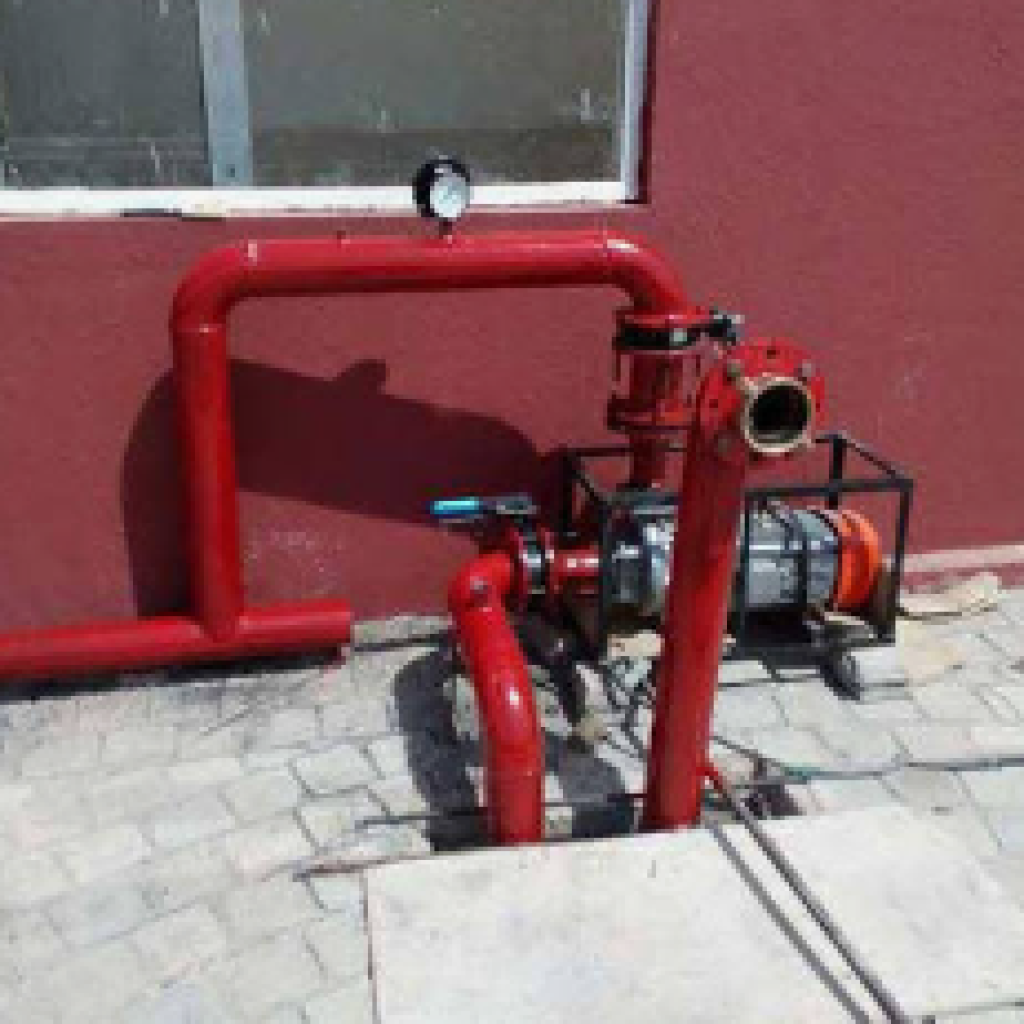
A Booster Pump System Singapore acts as an inline force multiplier. The system utilizes centrifugal impellers to draw water from a dedicated storage tank (often called a break tank) and accelerate its velocity. This kinetic energy is then transformed into static pressure, pushing the water through the building’s pipes at a constant, pre-set bar rate, regardless of how high the building stands or how many taps are open simultaneously.
Why Singapore Properties Require Dedicated Pressure Boosting Booster Pump System Singapore
Singapore’s specific urban design creates unique plumbing demands. While the PUB provides exceptional water treatment and reliable baseline pressure across the island, local architectural variations require properties to manage their own internal distribution networks.
Landed Properties and the Multi-Storey Challenge Booster Pump System Singapore
Modern landed homes in areas like Sentosa Cove, Bukit Timah, or Serangoon Gardens frequently feature three to four stories, complete with luxury multi-point rain showers, outdoor irrigation setups, and roof gardens. A standard direct municipal feed often falls short on the upper levels. By installing an automated Booster Pump System Singapore, homeowners ensure that top-floor master bathrooms experience the same luxury water pressure as ground-floor kitchens.
High-Rise Residential and Condominiums Booster Pump System Singapore
Condominium towers dominate the Singapore skyline. Units located on the highest floors—just below the roof-top gravity tanks—frequently suffer from low water pressure because there is minimal vertical drop to generate natural gravitational head pressure. A specialized Booster Pump System Singapore bridges this gap, forcefully driving water downward or upward to penthouse suites with precision and consistency.
Commercial and Industrial Infrastructure Booster Pump System Singapore
For shopping malls in Orchard Road, medical centers in Novena, or wafer fabrication plants in Tuas, fluctuating water supply can disrupt entire business operations. Industrial setups require precise, unwavering water pressures to feed cooling towers, commercial boilers, and automated manufacturing equipment. Implementing a heavy-duty, commercial-grade Booster Pump System Singapore safeguards these organizations against operational bottlenecks.
Key Components of a High-Performance Booster System
A modern Booster Pump System Singapore is a highly engineered assembly of mechanical and digital components working together to maximize energy efficiency and operational reliability.
1. The Pump Matrix (Single vs. Multi-Pump Configurations) Booster Pump System Singapore
The pumps themselves are the muscle of the system. Depending on your property size, the system may utilize a simplex (single pump), duplex (two pumps), or multiplex (three or more pumps) layout. In a duplex Booster Pump System Singapore, the pumps alternate duties to distribute wear evenly and provide built-in redundancy.
2. Variable Frequency Drives (VFD) Booster Pump System Singapore
Older pumping systems ran at full speed or were completely off, wasting significant amounts of electricity. Modern Booster Pump System Singapore setups use Variable Frequency Drives (VFD). These smart inverters constantly monitor water demand and adjust the pump’s motor speed in real time. If only one tap is open, the pump spins at a fraction of its capacity, saving energy and extending the equipment’s lifespan.
3. Hydro-Pneumatic Pressure Vessels Booster Pump System Singapore
These specialized tanks contain a flexible rubber membrane surrounded by compressed air. The vessel acts as a buffer, storing pressurized water so the pumps do not have to cycle on and off for minor water needs, such as washing hands or flushing a toilet. This prevents water hammer and reduces thermal wear on the pump motors.
4. Smart Digital Controllers and Sensors
Equipped with pressure transducers and flow switches, the control panel serves as the brain of your Booster Pump System Singapore. It tracks incoming and outgoing bar levels, automates pump alternation, and runs integrated safety protocols like dry-running protection to prevent damage if the main water supply runs dry.
Navigating Singapore Regulatory Frameworks (PUB & NEA)
When installing a Booster Pump System Singapore, compliance with local laws is mandatory. The Public Utilities Board (PUB) enforces strict codes of practice to maintain the safety and integrity of the national water grid.
The Direct Pumping Prohibition Booster Pump System Singapore
Crucial Regulation: Under PUB regulations, no individual or company is permitted to connect a booster pump directly to public water mains. Direct suction can cause backflow contamination and create pressure drops in neighboring properties.
Therefore, every legal Booster Pump System Singapore must be fed from an intermediate break tank. The municipal line fills this storage tank via a mechanical float valve, and the booster pump draws water directly from the tank rather than the public pipeline.
Material Certifications for Drinking Water
Singapore’s National Environment Agency (NEA) and PUB demand that all materials coming into contact with potable (drinking) water be completely non-toxic and corrosion-resistant. When sourcing a Booster Pump System Singapore, ensure the internal impellers, pump casings, and manifold pipes are made of high-grade Stainless Steel (SS304 or SS316) to prevent heavy metal leaching and comply with local health standards.
Classification of Booster Pump Systems
Choosing the right configuration depends entirely on your architectural setup and daily volume demands. Below is a breakdown of the primary configurations found in the Singapore market.
1. Simplex (One-Pump) Booster Systems
Ideal for small terrace houses, shop houses, and individual residential units.
- Pros: Highly economical, compact footprint, straightforward installation.
- Cons: No backup redundancy; if the single pump requires servicing, water pressure drops back to baseline levels.
- Best For: Properties with limited space and low-to-moderate simultaneous water use.
2. Duplex (Two-Pump) Booster Systems
The gold standard for luxury landed homes, condominiums, and mid-sized commercial entities.
- Pros: Features full built-in redundancy, alternate operation cycles, and handles sudden spikes in demand by running both pumps at the same time.
- Cons: Higher initial capital investment and requires more space in the mechanical room.
- Best For: Settings where a continuous, uncompromised water supply is critical.
3. Multiplex (Triplex & Quadruplex) Systems Booster Pump System Singapore
Engineered for massive architectural structures such as shopping malls, industrial plants, and skyscraper towers.
- Pros: Ultimate scalability, exceptional energy management via staged VFD controllers, and high reliability.
- Cons: Complex piping arrangements, large physical footprint, and specialized engineering overhead.
- Best For: Heavy industrial facilities and dense commercial high-rises.
Detailed Comparison Table: System Typologies
| System Feature | Simplex Booster System | Duplex Booster System | Multiplex Booster System |
| Target Property Type | Small Landed Homes / Shophouses | Condos / Large Landed / Commercial | Industrial Plants / Skyscapers |
| Pump Count | 1 Pump | 2 Pumps | 3 to 4+ Pumps |
| Redundancy Backup | None | 100% Full Redundancy | Multi-Stage Fail-Safe Network |
| Inverter Integration | Optional (Fixed/VFD) | Highly Recommended VFD | Mandatory Advanced VFD |
| Relative Initial Cost | Economical | Moderate | High |
| Maintenance Profile | Simple & Fast | Scheduled Alternation | Specialized Engineering |
Step-by-Step Engineering Calculation Guide
Sizing a Booster Pump System Singapore requires careful calculation of two main factors: Total Dynamic Head ($TDH$) and Flow Rate ($Q$). Choosing an oversized pump wastes energy and strains plumbing components, while an undersized pump will not fix your pressure issues.
Phase 1: Determining Flow Rate Demand ($Q$)
Flow rate is calculated by adding up the Fixture Units ($FU$) across your property. Each fixture (toilet, shower, kitchen tap) has a specific load value.
$$\text{Total System Flow Rate } (Q) = \sum (\text{Fixture Units}) \times \text{Simultaneous Use Factor}$$
For general residential calculations, use these standard estimates:
- Standard Shower: $9 \text{ Liters Per Minute (LPM)}$
- Luxury Rain Shower Head: $15 \text{ to } 25 \text{ LPM}$
- Kitchen / Basin Faucets: $6 \text{ LPM}$
If a luxury home operates 3 rain showers ($3 \times 20 = 60 \text{ LPM}$) and 2 domestic taps ($2 \times 6 = 12 \text{ LPM}$) at the same time, your Booster Pump System Singapore must deliver a minimum flow rate of $72 \text{ LPM}$.
Phase 2: Calculating Total Dynamic Head ($TDH$)
To find the required pump pressure (expressed in meters of head or bar), use this formula:
Converting between units is straightforward:
An experienced engineering team will run these calculations during an on-site evaluation to ensure your system matches your property’s specific needs.
Energy Efficiency & Green Building Trends
As Singapore moves toward sustainability under the Green Plan, energy conservation is a primary focus for facility managers. Water distribution systems can account for a significant portion of a building’s total electrical footprint.
[Traditional Fixed-Speed Pump]  ──► Consumes 100% Power constantly (High Waste)
[Modern VFD Booster System]     ──► Scales power dynamically to match demand (Eco-Friendly)
Upgrading to a VFD-driven Booster Pump System Singapore drastically reduces energy consumption. Rather than running at full speed and bypassing excess pressure back into the tank, a VFD system draws only the exact amount of electricity needed to maintain current demand.
Additionally, integrating high-efficiency motors (such as IE3 or IE4 efficiency-rated motors) helps properties qualify for Building and Construction Authority (BCA) Green Mark points, lowering carbon footprints while cutting monthly utility bills.
Comprehensive Troubleshooting Manual
Even high-quality equipment can experience performance drops over time due to operational wear and tear. This troubleshooting guide helps you identify common issues early.
Symptom A: The Pump Continues Running and Won’t Shut Off
- Root Cause 1: A leak in the building’s underground or internal plumbing network causes the system to sense a constant demand for water.
- Root Cause 2: The pressure transducer or control switch has failed or drifted out of calibration, failing to report that target pressure has been reached.
- Root Cause 3: Air is trapped inside the pump casing, causing it to lose its prime.
- Solution: Close the main discharge isolation valve. If the pump shuts off, the issue is a leak within your property’s plumbing. If it keeps running, replace or recalibrate the pressure sensor.
Symptom B: Fluctuating or Spluttering Water Pressure
- Root Cause 1: The hydro-pneumatic pressure vessel has lost its air pre-charge or the internal rubber bladder has ruptured.
- Root Cause 2: The incoming municipal supply is restricted, causing the break tank to fill too slowly.
- Solution: Tap the side of the pressure vessel tank. If it sounds completely solid and full of water, the internal bladder has likely ruptured and the tank needs to be replaced. Check the air valve with a standard gauge to verify the pre-charge pressure.
Symptom C: Excessive Operating Noise and Vibration
- Root Cause 1: Pump cavitation, which occurs when vapor bubbles form and collapse inside the pump due to restricted suction or an obstructed intake strainer.
- Root Cause 2: Worn internal motor bearings.
- Solution: Clean the intake Y-strainer and verify that all suction valves are completely open. If a harsh metallic grinding sound persists, schedule a technician to replace the motor bearings.
Strategic Preventative Maintenance Checklist
Regular maintenance is essential to prevent sudden system failures and extend the lifespan of your infrastructure. Implementing a structured service schedule keeps your system operating efficiently.
Monthly Inspections
- Visually inspect all pipe joints, mechanical seals, and valve packings for any signs of water leaks or corrosion.
- Confirm the pressure readings on the physical gauges match the digital readouts on the central control panel.
Quarterly Requirements
- Test the air pre-charge pressure inside the hydro-pneumatic tanks. Turn off the pumps and drain all internal water pressure before taking this measurement.
- Inspect the electrical control panel for any signs of overheating, dust build-up, or loose wiring connections.
Annual Comprehensive Service
- Measure the electrical current draw (amperage) of each pump motor to ensure they are operating within normal factory specifications.
- Check the condition of all check valves, non-return valves, and isolation gates to prevent backflow and short-cycling.
- Clean and flush the main break storage tank to remove sediment build-up and maintain water quality.
Financial Analysis: Procurement & Operational Lifecycle Costs
Investing in a Booster Pump System Singapore involves balancing upfront procurement costs against long-term operating and maintenance expenses.
Over a typical ten-year operational lifespan, electricity consumption makes up nearly 70% of the total cost of ownership for a commercial pumping system. This highlights the value of investing in high-efficiency equipment.
- Equipment Costs: High-quality European or Japanese brands (such as Grundfos, KSB, Lowara, or DAB) carry a higher upfront cost but offer superior reliability, readily available spare parts, and better long-term performance.
- Installation Costs: Installation fees vary based on the complexity of your piping, site access, and any necessary integration with building management systems (BMS).
- Operational Savings: Opting for a VFD-controlled Booster Pump System Singapore typically lowers energy consumption by 30% to 50% compared to traditional fixed-speed systems, allowing owners to recover the initial cost difference within 18 to 24 months.
On-Site Installation Best Practices
Proper installation is key to ensuring your pumping system runs smoothly, quietly, and reliably over its lifespan.
Vibration Dampening & Acoustic Isolation
Booster pumps generate structural noise and vibrations that can travel through plumbing walls and disturb occupants. To prevent this, mount the system on a heavy concrete inertia base equipped with high-quality rubber or spring vibration isolators. Additionally, install flexible rubber expansion joints between the pump manifolds and the building’s main distribution pipes to block acoustic transmission.
Integrating a Maintenance Bypass Line
Always include a dedicated, valved bypass line in your plumbing layout. This configuration allows technicians to isolate and service the entire Booster Pump System Singapore without cutting off water to the property. During maintenance window periods, the property can temporarily run on standard municipal baseline pressure.
Environmental Protection & Thermal Management
The installation site must feature adequate ventilation. VFD inverters and high-performance motors generate considerable heat during operation. If the system is installed outdoors or in a confined utility closet, ensure it is protected by a weatherproof, well-ventilated enclosure to prevent components from overheating or sustaining water damage from heavy rain.
Sourcing the Best Brands in the Singapore Market
Singapore is home to several world-class pump manufacturers, each offering specialized advantages for different project requirements.
- Grundfos (Denmark): Highly regarded for its intelligent, plug-and-play booster sets, exceptionally reliable VFD technology, and comprehensive local customer support infrastructure.
- KSB (Germany): Known for robust, heavy-duty engineering, making their systems excellent choices for large-scale industrial water transport and high-pressure commercial complexes.
- Lowara / Xylem (USA/Italy): Offers highly efficient stainless steel multistage pumps that excel in delivering clean drinking water safely and reliably.
- DAB (Italy): Popular for compact, modular smart systems (like the ESYBOX series) that are well-suited for luxury residential landed homes with tight space constraints.
Contact Information:
- Website: https://flomek.com
- Email: sales@flomek.com
- Phone: +65 1234 5678
- Address: 123 Industrial Avenue, Singapore 567890
Get in touch with us today to discuss your project or request a quote. Let Flomek help you find the perfect pump solution to keep your operations flowing smoothly. Pump manufacture in yishun
Also Read – Best pump services Pump manufacture in yishun
Copyright © Flomek 2024, All Right Reserved.Designed and Developed by ❤️ Krigo Softwares


Leave A Reply